Broken Toe: Symptoms, Treatment & Recovery in Canada

Share
A broken toe is one of the most common bone injuries Canadians experience, and knowing how to recognize and treat it can make a real difference in your recovery. Whether you stubbed your foot on furniture, dropped something heavy, or have been pushing through the pain of a long run, a fractured toe deserves prompt attention — even when the injury seems minor at first.
How to Recognize a Broken Toe and What to Do Next
The good news is that most broken toe symptoms are easy to spot, and the majority of fractures heal well with simple at-home care. This guide walks you through the causes, diagnosis, treatment options, and recovery timeline so you can take the right steps toward healing. If you are unsure whether your toe is broken or just bruised, keep reading — we cover exactly what to look for and when to see a doctor in Canada.
What Is a Broken Toe?
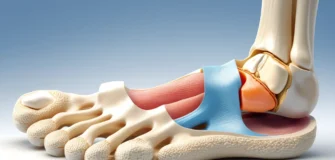
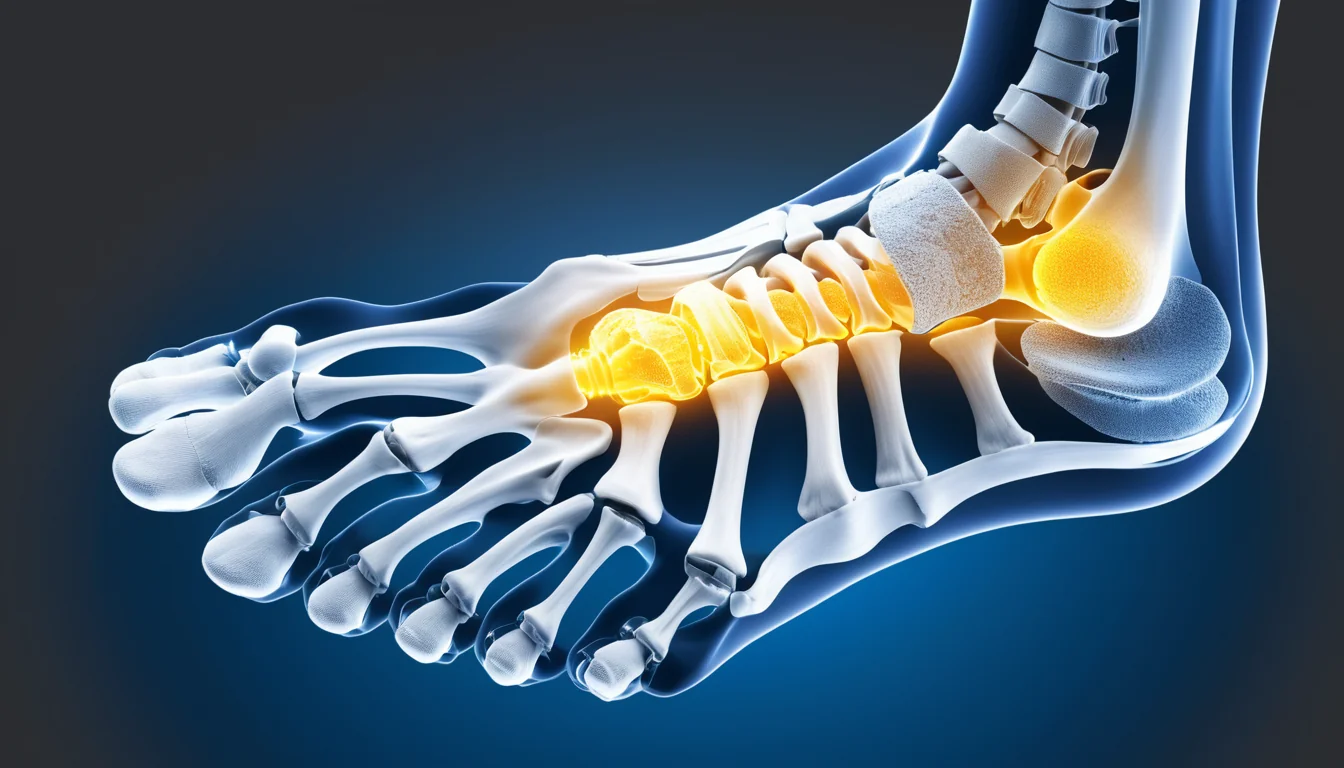
A broken toe happens when one or more of the small bones in your toe crack or break completely. Your foot has 14 toe bones in total, and any one of them can fracture under enough force.
There are two main types of toe fractures. A traumatic fracture happens suddenly — for example, when you stub your toe or something falls on your foot. A stress fracture (sometimes called a hairline fracture) develops slowly over time from repeated activity like running, hiking, or other high-impact exercise.
Both types of fractures deserve proper attention. However, a stress fracture can be easy to ignore at first because the pain builds gradually. As a result, many people mistake it for a sprain or general soreness.
Common Causes of a Broken Toe
Understanding what causes a broken toe can help you prevent one in the future. The most common causes include:
- Stubbing your toe against furniture, a door frame, or another hard surface
- Dropping a heavy object onto your foot
- Repetitive stress from running, dancing, or other high-impact physical activity
- Sports injuries such as a kick to the foot or an awkward landing
- Weak bones due to conditions like osteoporosis, which is more common in older Canadians
In addition, wearing improper footwear during exercise can increase your risk. Always choose supportive shoes that fit well, especially if you are physically active.
Broken Toe Symptoms to Watch For
Recognising a broken toe early can help you get the right treatment faster. The symptoms can range from mild to quite noticeable depending on how serious the break is.
Immediate Symptoms
Right after the injury, you may notice a snapping or cracking sound at the moment of impact. This is often followed by sharp pain in the affected toe. Most people also notice swelling and bruising that develops within minutes to hours.
Ongoing Symptoms
Over the following hours and days, a broken toe may cause:
- Persistent pain that worsens when you walk or put pressure on your foot
- Swelling that spreads around the toe and sometimes to the top of the foot
- Bruising that may turn purple, blue, or black under the skin
- Tenderness when you touch the toe
- Visible deformity, such as the toe pointing in an unusual direction
- Stiffness and difficulty moving the toe normally
It is important to note that a dislocated toe can look similar to a fracture. Both conditions can cause visible deformity. Therefore, seeing a healthcare provider for a proper diagnosis is always the safest choice. You can learn more about bone injuries from Mayo Clinic’s guide to fractures.
How Is a Broken Toe Diagnosed?
A healthcare provider will diagnose a broken toe by starting with a physical examination. They will gently press on the toe to check for tenderness, look at the amount of swelling, and check for any bruising or deformity.
Imaging Tests
A physical exam alone is often not enough to confirm a fracture. Your doctor will likely order an X-ray to get a clear picture of the bone. An X-ray helps tell the difference between a clean break, a stress fracture, and a dislocation. This step is very important because the treatment approach depends on the type and severity of the injury.
In most cases, you can get an X-ray the same day at a walk-in clinic, urgent care centre, or hospital emergency department. Your provincial health plan generally covers this type of diagnostic imaging when ordered by a healthcare provider.
Broken Toe Treatment Options
The right broken toe treatment depends on which toe is affected, how severe the break is, and whether the bone has shifted out of place. Fortunately, most broken toes do not need surgery.
At-Home Care
For mild to moderate fractures, your doctor may recommend simple at-home treatment. The standard approach includes the following steps:
- Rest: Stay off your foot as much as possible. Avoid activities that put pressure on the injured toe.
- Ice: Apply an ice pack wrapped in a cloth to the toe for 15 to 20 minutes at a time. Do this several times a day during the first 48 hours.
- Elevation: Keep your foot raised above the level of your heart when sitting or lying down. This helps reduce swelling and bruising.
- Pain relief: Over-the-counter pain relievers such as ibuprofen or acetaminophen can help manage discomfort. Always follow the dosage on the label.
Buddy Taping
One of the most common treatments for a broken toe is called buddy taping. This involves gently wrapping the fractured toe together with the toe next to it using medical tape or gauze. The neighbouring toe acts as a natural splint, keeping the broken toe stable while it heals.
Your healthcare provider will show you how to tape the toes correctly. In addition, they may recommend wearing a stiff-soled sandal or a special post-operative shoe to protect the area while you move around.
Splints and Casts
In some cases, your doctor may fit you with a small splint or a protective boot. This is more common when the big toe is involved, as it carries a lot of the body’s weight. A short walking cast may also be used for more serious breaks to keep the foot immobile during healing.
Surgery
Surgery for a broken toe is not common, but it may be necessary in severe cases. For example, surgery may be needed if the bone has broken into several pieces, if the bone is significantly out of place, or if the big toe is seriously affected. A surgeon may use small pins or screws to hold the bone in the correct position while it heals.
For more detailed information on fracture care, the Healthline overview of broken toe treatment is a helpful resource.
How Long Does a Broken Toe Take to Heal?
Most broken toes heal within four to six weeks with proper care. Smaller toes tend to heal faster, often in two to four weeks. The big toe, however, may take longer because it bears more weight and stress.
During recovery, it is important to listen to your body. Return to your normal activities gradually, and avoid high-impact exercise until your doctor confirms that the bone has fully healed. Returning too soon can make the injury worse or lead to long-term problems like chronic pain or permanent deformity.
An untreated broken toe can lead to ongoing pain, reduced range of motion, and changes in how you walk. These complications can affect your daily life and may require more involved treatment later on. Therefore, getting proper care early makes a real difference.
When to See a Doctor for a Broken Toe
Not every stubbed toe needs a trip to the clinic. However, there are clear signs that tell you it is time to get professional help for your broken toe.
You should visit your family doctor, a walk-in clinic, or an urgent care centre if you notice any of the following:
- The toe looks bent, crooked, or pointing in an unusual direction
- The pain is severe and does not improve with rest and ice
- The swelling is significant and getting worse after 24 to 48 hours
- You cannot walk without serious pain
- The skin over the toe is broken or there is an open wound near the fracture
- You feel numbness or tingling in the toe
- The colour of the toe turns very dark or the toe feels cold
If your big toe is involved, it is especially important to see a provider. The big toe plays a major role in balance and walking, so injuries to it often need more careful management.
Open fractures — where the bone breaks through the skin — are a medical emergency. Go to your nearest emergency department right away if this happens. You can also check Health Canada’s resources for guidance on finding the right level of care near you.
Frequently Asked Questions About Broken Toes
How do I know if my toe is broken or just bruised?
A bruised toe usually hurts less and improves noticeably within a day or two. A broken toe tends to cause more intense pain, significant swelling, and bruising that spreads under the skin. If you are unsure, visit a walk-in clinic or your family doctor for an X-ray to get a clear answer.
Can a broken toe heal on its own without treatment?
Minor broken toe injuries can sometimes heal with rest, ice, and buddy taping at home. However, leaving a fracture untreated — especially in the big toe — can lead to long-term pain, stiffness, and deformity. It is always best to have a healthcare provider assess the injury to make sure it heals correctly.
Should I go to the emergency room for a broken toe?
Most broken toe cases do not require a trip to the emergency room. A walk-in clinic or your family doctor can handle the majority of toe fractures. However, if the bone is pushing through the skin, the toe is severely deformed, or you are in extreme pain, go to the nearest emergency department right away.
How long does it take for a broken toe to stop hurting?
Pain from a broken toe usually starts to improve within one to two weeks as the swelling goes down. Most people feel significantly better within three to four weeks, though full healing of the bone takes four to six weeks. The big toe may take a little longer to feel completely normal.
Can I walk on a broken toe?
Walking on a broken toe is possible in some mild cases, but it can slow down healing and increase pain. Your healthcare provider may recommend a stiff-soled shoe or protective boot to make walking safer and more comfortable. Always follow your doctor’s advice about how much weight you should put on the foot during recovery.
Is buddy taping a broken toe covered by provincial health plans in Canada?
The medical visit, physical examination, and X-ray needed to diagnose a broken toe are generally covered by provincial health plans across Canada. The cost of medical tape or a special protective shoe may vary depending on your province and any extended health benefits you have. Check with your provincial health authority or benefits provider for specific coverage details.
Key Takeaways
- A broken toe can result from a sudden impact or from repeated stress on the bone over time.
- Common symptoms include pain, swelling, bruising, and sometimes a visible change in the shape of the toe.
- An X-ray is needed to confirm a fracture and tell it apart from a dislocation or sprain.
- Most broken toes heal with rest, ice, elevation, and buddy taping within four to six weeks.
- The big toe needs more careful attention and may require a splint, cast, or in rare cases, surgery.
- Visit your family doctor or a walk-in clinic if the pain is severe, the toe looks deformed, or symptoms are not improving.
- An untreated broken toe can cause lasting pain and reduced movement, so early care matters.
According to Mayo Clinic’s overview of broken toe causes and symptoms, this information is supported by current medical research.
For more information, read our guide on managing musculoskeletal pain like back pain in Canada.
This article is for general information only and does not replace professional medical advice. If you think you have a broken toe or any other injury, please speak with your family doctor, visit a walk-in clinic, or seek care at an urgent care centre near you.
Frequently Asked Questions
What is a broken toe?
A broken toe is a fracture of one or more of the small bones in your toe, most commonly caused by dropping something heavy on your foot or stubbing it forcefully. It is one of the most common foot injuries treated in Canadian emergency departments and walk-in clinics.
What are the symptoms of a broken toe?
Common broken toe symptoms include immediate sharp pain, swelling, bruising, tenderness to touch, stiffness, and difficulty walking. The toe may appear misaligned or deformed in more severe fractures. Bruising that spreads under the skin, sometimes called a subungual hematoma, can also develop beneath the toenail.
How is a broken toe treated at home in Canada?
Most minor broken toes are treated using the RICE method: Rest, Ice (20 minutes on, 20 off), Compression with light bandaging, and Elevation. Buddy taping the injured toe to the adjacent toe provides support. Over-the-counter pain relievers like ibuprofen or acetaminophen can manage discomfort during recovery.
When should you see a doctor for a broken toe?
See a doctor or visit a walk-in clinic if your toe appears severely deformed, you cannot bear any weight, numbness or colour changes develop, pain worsens after 48 hours, or if the big toe is involved. Open fractures or suspected dislocations require immediate emergency care.
How can you prevent broken toes?
Reduce your risk of a broken toe by wearing sturdy, closed-toe footwear, keeping your home free of clutter and trip hazards, using protective steel-toed boots in hazardous work environments, and maintaining good bone health through adequate calcium and vitamin D intake, which is especially important for Canadians during winter months.

About the Author
Dr. Sarah Mitchell, MDDr. Sarah Mitchell is a board-certified family physician with over 15 years of clinical experience. She completed her MD at the University of Toronto and her residency at Toronto General Hospital. Dr. Mitchell specializes in preventive medicine and chronic disease management. She is a member of the College of Family Physicians of Canada (CFPC) and has published over 30 peer-reviewed articles on preventive health care.
View all articles →