Metatarsalgia Treatment: Symptoms, Causes & Relief Canada

Share
Metatarsalgia treatment starts with understanding what causes the pain and inflammation in the ball of your foot — the padded area just behind your toes. This common condition affects thousands of active Canadians every year, especially those who run, jump, or spend long hours standing, and the good news is that most cases respond well to simple home care and proper footwear adjustments.
Home Metatarsalgia Treatment Options That Work
If you are experiencing persistent ball of foot pain, you are not alone. Metatarsalgia is one of the most frequently reported foot complaints among Canadian athletes, workers, and older adults alike. While many cases improve on their own with rest and better shoe choices, some require professional attention from a family doctor or podiatrist to rule out more serious conditions and get you back on your feet comfortably.
What Is Metatarsalgia?
| Treatment Option | How It Helps | Benefits | Considerations |
|---|---|---|---|
| Custom Orthotics / Metatarsal Pads | Redistributes pressure away from the metatarsal heads and provides cushioning | Non-invasive; long-term symptom relief; available through Canadian podiatrists and physiotherapists | Custom orthotics may not be fully covered by provincial health plans; private insurance often required |
| Rest and Activity Modification | Reduces repetitive stress and inflammation in the forefoot | Cost-free; immediately accessible; reduces acute pain quickly | May not address the underlying cause; difficult for active individuals or those with physically demanding jobs |
| Physiotherapy | Strengthens foot muscles, improves flexibility, and corrects gait abnormalities | Targets root cause; reduces recurrence risk; covered under many Canadian extended health plans | Requires multiple sessions; results take weeks to months; out-of-pocket costs if uninsured |
| NSAIDs (e.g., Ibuprofen, Naproxen) | Reduces inflammation and manages pain in the metatarsal region | Readily available over the counter in Canada; provides short-term relief | Not suitable for long-term use; may cause gastrointestinal side effects; consult a pharmacist or physician |
| Corticosteroid Injections | Delivers targeted anti-inflammatory medication directly to affected metatarsal area | Rapid and significant pain relief; useful for severe or persistent cases | Administered by a physician; repeated injections can weaken surrounding tissue; temporary relief only |
| Surgery (Metatarsal Osteotomy) | Realigns or shortens metatarsal bones to correct structural abnormalities | Addresses severe structural causes; can provide lasting relief when conservative treatments fail | Rare and last resort; involves recovery time of several weeks; covered under provincial health insurance when medically necessary |
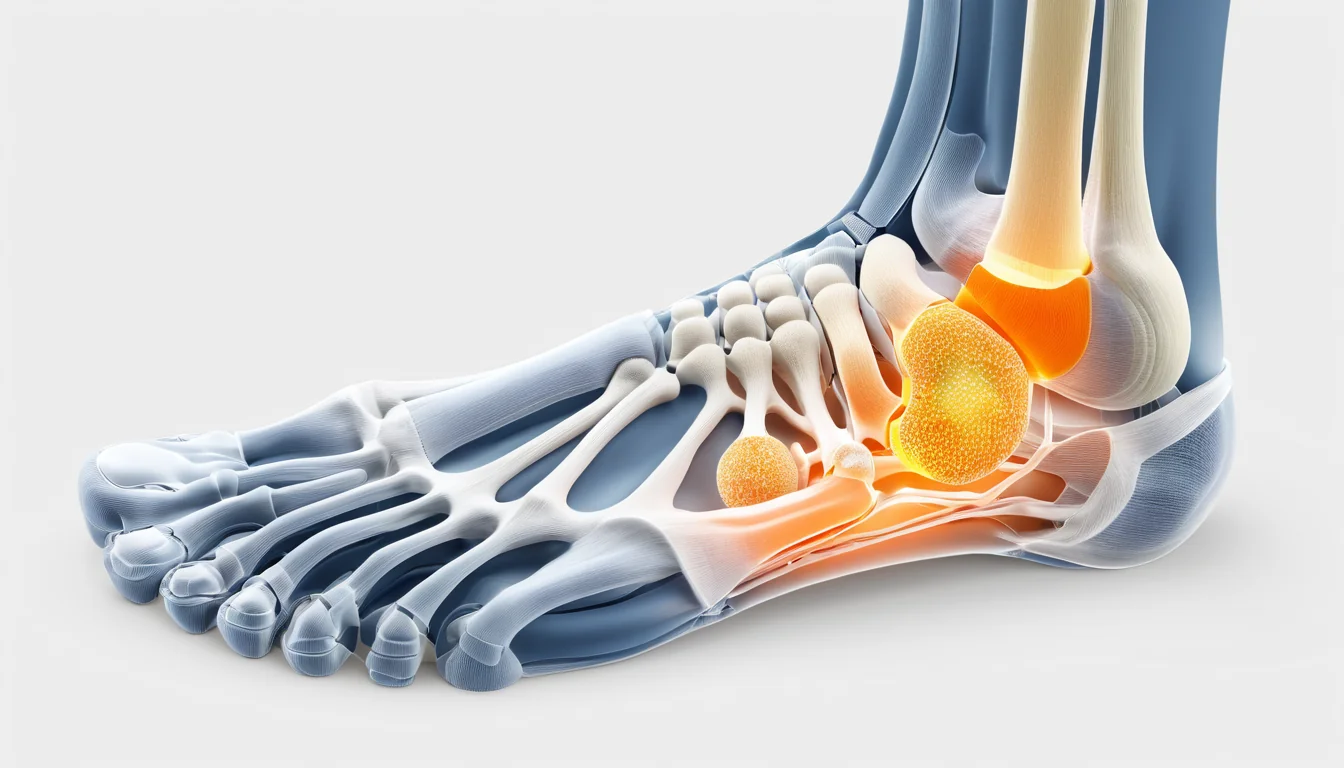
Your foot has five metatarsal bones. They run from your arch to the base of your toes. When these bones become irritated or inflamed, the result is metatarsalgia.
The condition is especially common in people who play high-impact sports like soccer, basketball, or running. It also affects people who wear ill-fitting shoes, including high heels or narrow-toed footwear. According to the Mayo Clinic’s overview of metatarsalgia, the condition is rarely serious but can disrupt your daily routine if left untreated.
In addition, metatarsalgia can develop alongside other foot problems such as corns, calluses, or hammertoes. Understanding the root cause helps you choose the right treatment.
Common Symptoms of Metatarsalgia
The symptoms of metatarsalgia can range from mild to quite uncomfortable. They often come on gradually, but they can also appear suddenly after a intense workout or long walk.
Common symptoms include:
- Sharp, aching, or burning pain in the ball of the foot
- Pain near the base of the second, third, or fourth toe
- A feeling that there is a pebble inside your shoe
- Numbness or tingling in the toes
- Pain that gets worse when you stand, walk, or run
- Pain that improves when you rest your feet
- Increased pain when walking barefoot on hard floors
- Discomfort when you flex or bend your toes
Symptoms often flare up after increased activity. For example, if you suddenly run more kilometres than usual or start a new high-impact exercise programme, you may notice pain developing within a day or two.
What Causes Metatarsalgia?
Several factors can put extra pressure on the metatarsal bones and lead to metatarsalgia. Knowing the cause helps you prevent it from coming back.
High-Impact Activity
Running and jumping place repeated stress on the front of the foot. Over time, this stress can inflame the metatarsal area. Athletes who train intensely or increase their activity level too quickly are at higher risk.
Poor Footwear
Shoes that do not fit well are one of the most common causes of metatarsalgia in Canada. High heels shift body weight forward onto the ball of the foot. Shoes that are too narrow squeeze the toes and increase pressure on the metatarsals.
Foot Shape and Structure
Some people have a naturally high arch, which puts extra pressure on the metatarsals. A longer second toe than the big toe can also increase stress in the forefoot. These structural factors can make a person more prone to developing metatarsalgia over time.
Excess Body Weight
Carrying extra weight places more load on your feet with every step. As a result, the metatarsal bones absorb greater impact, which increases the risk of inflammation and pain.
Corns and Calluses
Corns and calluses are thick patches of hardened skin. They often form on the ball of the foot or on the toes. They can change how you walk and put uneven pressure on the metatarsals, worsening metatarsalgia symptoms.
For a deeper look at foot health and related conditions, visit Healthline’s guide to metatarsalgia causes and treatment.
Home Treatment for Metatarsalgia
Most mild to moderate cases of metatarsalgia respond well to home care. These strategies can reduce pain and help your foot heal.
Rest and Ice
The first step is to give your feet a break. Avoid the activity that caused the pain for at least a few days. Apply an ice pack wrapped in a cloth to the ball of your foot for 15 to 20 minutes at a time, several times a day. This helps reduce swelling and ease discomfort.
Choose Better Footwear
Switch to shoes with a wide toe box and good arch support. Look for footwear with cushioned soles that absorb shock. Avoid high heels and flat shoes with no support. Many Canadians find that buying shoes from a specialty running or orthopedic footwear store makes a big difference.
Use Metatarsal Pads or Insoles
Metatarsal pads are small cushioned inserts that you place inside your shoe just behind the ball of the foot. They help redistribute pressure away from the sore area. You can find them at most Canadian pharmacies without a prescription. Adding an extra layer of cushioned insoles to your shoes can also provide relief.
Warm Foot Soaks
Soaking your feet in warm water can ease tension and reduce soreness. Adding Epsom salts to the water may help relax the muscles around the foot. Soak your feet for 15 to 20 minutes in the evening for best results.
Managing Corns and Calluses Safely
If corns or calluses are contributing to your metatarsalgia, you can gently soften them at home. Soak your foot in warm water first, then carefully use a pumice stone to reduce the thickened skin. Do this slowly and never remove too much skin at once.
Important: Do not use medicated corn plasters or acid-based corn removers without speaking to a pharmacist or doctor first. These products can damage healthy skin. People with diabetes should never treat corns or calluses at home, as even minor skin injuries can lead to serious infections. Always consult your healthcare provider if you have diabetes and notice any foot concerns.
Stretching and Strengthening
Gentle stretching of the calf, arch, and toe muscles can relieve tightness that contributes to metatarsalgia. A simple stretch involves pulling your toes back toward your shin and holding for 30 seconds. Doing this several times a day improves flexibility and reduces strain on the forefoot.
What to Avoid With Metatarsalgia
Certain habits can make metatarsalgia worse. Avoiding them speeds up your recovery.
- Do not walk barefoot on hard surfaces like tile or hardwood floors
- Avoid tight socks that restrict circulation in the toes
- Do not ignore the pain and push through high-impact exercise
- Avoid wearing the same unsupportive shoes that caused the problem
- Do not use corn plasters or medicated pads without professional advice
Furthermore, avoid increasing your exercise intensity too quickly. Following a gradual training programme gives your feet time to adapt to new demands.
When to See a Doctor
Metatarsalgia usually improves with home care within a few weeks. However, some situations call for professional medical advice. Do not delay seeking help if you notice the following.
Visit your family doctor or a walk-in clinic if:
- Your pain does not improve after two to four weeks of home treatment
- The pain is severe or gets worse over time
- You notice swelling, redness, or warmth in your foot
- You have numbness or tingling that does not go away
- You have diabetes or poor circulation and develop any foot pain
- You suspect you have a stress fracture or another injury
Your family doctor can assess your foot and may refer you to a podiatrist — a foot specialist — if needed. Most provincial health plans in Canada cover visits to your family doctor for foot pain evaluation. Walk-in clinics are also a convenient option if you cannot get a timely appointment with your regular physician.
In some cases, your doctor may order an X-ray or ultrasound to rule out a stress fracture or other structural problem. They may also recommend custom orthotics, physiotherapy, or in rare and severe cases, a surgical consultation.
For guidance on finding healthcare services near you, Health Canada’s official health resources can help you navigate your provincial health system.
Preventing Metatarsalgia
Prevention is always easier than treatment. A few simple habits can protect your feet from developing metatarsalgia in the first place.
- Wear well-fitting shoes with good arch support and cushioning
- Replace worn-out athletic shoes regularly — every 500 to 800 kilometres of use
- Increase your physical activity level gradually, not all at once
- Maintain a healthy body weight to reduce pressure on your feet
- Wear moisture-wicking socks to keep your feet dry and healthy
- Inspect your feet regularly, especially if you are diabetic
Therefore, investing in quality footwear is one of the best things you can do for your long-term foot health. It is a simple step that pays off significantly over time.
Frequently Asked Questions About Metatarsalgia
How long does metatarsalgia take to heal?
Mild metatarsalgia often improves within a few weeks with rest, ice, and better footwear. More persistent cases may take several months to fully resolve, especially if the underlying cause is not addressed. If your pain lasts longer than four weeks, speak with your family doctor or visit a walk-in clinic.
Can I still exercise if I have metatarsalgia?
Yes, but you should avoid high-impact activities like running or jumping while your foot is healing. Low-impact exercise such as swimming or cycling is generally easier on the metatarsals. Always listen to your body and reduce activity if pain increases.
Is metatarsalgia the same as a stress fracture?
No, metatarsalgia and a stress fracture are different conditions, although they can feel similar. Metatarsalgia is caused by inflammation and pressure on the metatarsal bones, while a stress fracture is a small crack in the bone itself. A doctor can tell the difference with a physical exam and imaging tests such as an X-ray.
What shoes are best for metatarsalgia?
The best shoes for metatarsalgia have a wide toe box, firm arch support, and thick cushioned soles. Running shoes or walking shoes from a specialty footwear store often work well. Avoid high heels, flat sandals, and shoes with pointed toes, as these worsen metatarsalgia symptoms.
Should I see a podiatrist for metatarsalgia?
If home treatment does not relieve your metatarsalgia after a few weeks, it is a good idea to see a podiatrist. A podiatrist specialises in foot conditions and can recommend custom orthotics, targeted physiotherapy, or other treatments. In Canada, your family doctor can provide a referral if needed.
Can metatarsalgia go away on its own?
According to Mayo Clinic’s overview of metatarsalgia, this information is supported by current medical research.
For more information, read our guide on managing chronic pain conditions in Canada.
In many cases, mild metatarsalgia does improve on its own with rest and better footwear choices. However, if you continue the activity or footwear habits that caused it, the pain is unlikely to go away. Taking action early gives you the best chance of a full recovery.
Key Takeaways
- Metatarsalgia is pain and inflammation in the ball of the foot, behind the toes.
- Common causes include high-impact sports, poor footwear, foot structure, and excess body weight.
- Symptoms include sharp or burning pain, numbness, and the feeling of a pebble in your shoe.
- Most cases improve with rest, ice, better shoes, and metatarsal pads.
- People with diabetes should always consult a doctor before treating any foot concern at home.
- See your family doctor or a walk-in clinic if pain persists beyond two to four weeks.
- Good footwear and gradual exercise progression are the best ways to prevent metatarsalgia.
- Always consult a qualified healthcare provider before starting any new treatment for foot pain.
Frequently Asked Questions
What is metatarsalgia?
Metatarsalgia is a condition causing pain and inflammation in the ball of the foot, specifically around the metatarsal bones. It commonly affects the area just before the toes and is often described as a burning, aching, or sharp sensation. It is not a single diagnosis but a symptom of underlying foot stress or injury.
What are the symptoms of metatarsalgia?
Common symptoms include sharp, burning, or aching pain in the ball of the foot, worsening pain when standing, walking, or running, and a sensation of having a pebble in your shoe. Numbness or tingling in the toes may also occur. Symptoms typically develop gradually and worsen with activity.
What is the best metatarsalgia treatment in Canada?
The most effective metatarsalgia treatment includes rest, ice application, and wearing supportive footwear with custom orthotics. Over-the-counter pain relievers like ibuprofen help reduce inflammation. A Canadian physiotherapist or podiatrist may recommend stretching exercises, metatarsal pads, or in persistent cases, corticosteroid injections or surgical evaluation.
Can metatarsalgia be treated at home?
Yes, mild metatarsalgia treatment at home is often effective. Rest the affected foot, apply ice for 20 minutes several times daily, and switch to well-cushioned, properly fitted shoes. Metatarsal pads and arch supports available at Canadian pharmacies can significantly relieve pressure and reduce pain within a few weeks.
When should I see a doctor for foot pain in the ball of my foot?
See a doctor if your foot pain persists beyond two to three weeks despite rest and home care, is severe, or is accompanied by significant swelling, bruising, or inability to walk. A Canadian physician, podiatrist, or physiotherapist can rule out stress fractures, Morton’s neuroma, or other serious underlying conditions.

About the Author
Dr. Linda Chen, RD, PhDDr. Linda Chen is a registered dietitian and PhD in Nutritional Sciences from the University of British Columbia. With expertise in clinical nutrition, sports dietetics, and gut health, she has worked with leading Canadian hospitals and sports organizations. Dr. Chen is a member of Dietitians of Canada and regularly contributes to national nutrition policy discussions.
View all articles →