
Spondylosis Treatment: Causes, Symptoms & Care Canada

Share
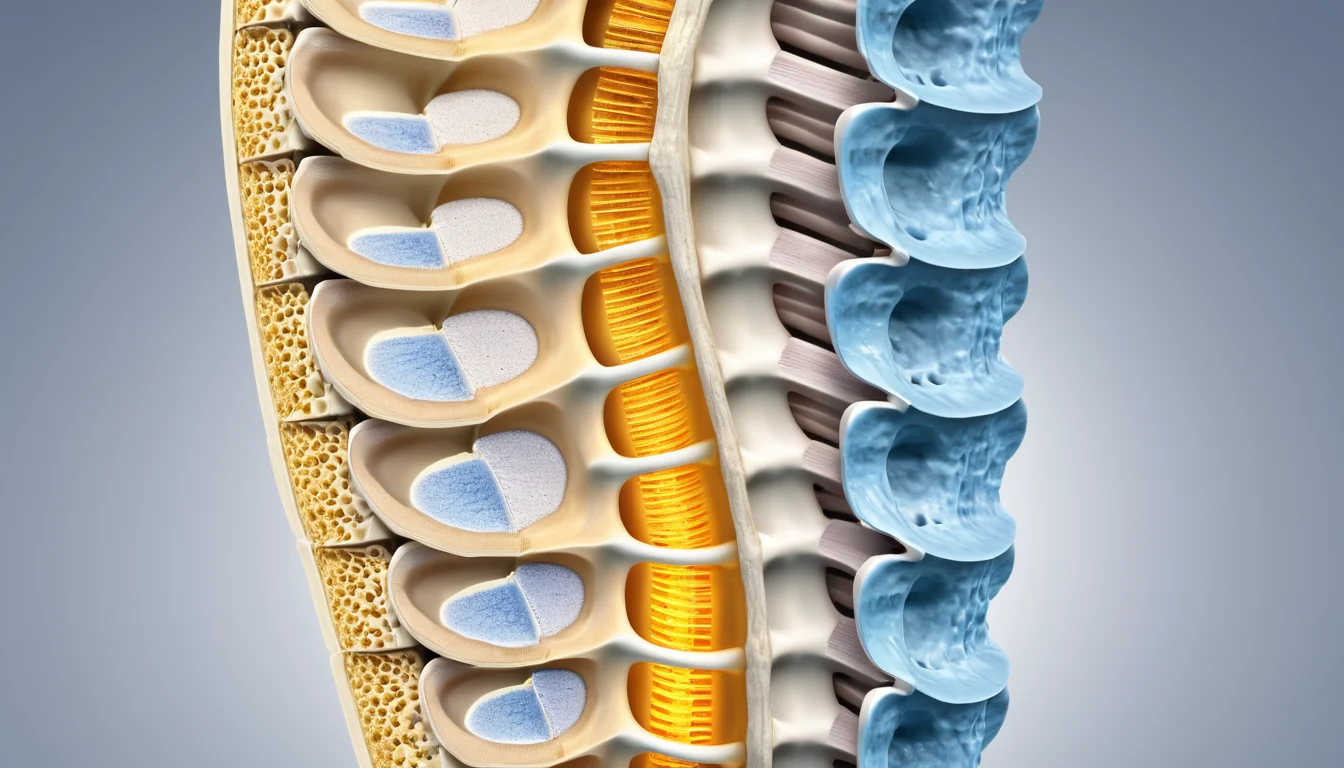
Spondylosis treatment starts with understanding this common, age-related condition that causes the bones, discs, and joints of the spine to gradually break down over time. It can affect your neck, mid-back, or lower back, and it becomes increasingly common as you get older. Millions of Canadians live with spondylosis without even realizing it, making early awareness essential for managing symptoms effectively.
Spondylosis Treatment Options for Canadians
Often referred to as spinal osteoarthritis, spondylosis develops as the vertebrae and surrounding soft tissues wear down with age. Bone spurs may form, and the cushioning discs between vertebrae can weaken and shrink. This article explains the causes of spondylosis, the symptoms to watch for, available treatment options in Canada, and when it is time to visit your family doctor or a walk-in clinic for a proper diagnosis.
What Is Spondylosis?
| Treatment Option | Benefits | Considerations | Typical Timeline |
|---|---|---|---|
| Physiotherapy | Improves flexibility, strengthens supporting muscles, reduces pain without medication; widely available through provincial health plans | Requires consistent commitment; some sessions may not be fully covered by provincial insurance | 6–12 weeks of regular sessions |
| Non-Steroidal Anti-Inflammatory Drugs (NSAIDs) | Reduces inflammation and pain quickly; available over-the-counter (e.g., ibuprofen, naproxen) or by prescription in Canada | Not suitable for those with kidney disease, ulcers, or cardiovascular conditions; long-term use requires physician monitoring | Short-term use; days to weeks |
| Corticosteroid Injections | Provides targeted, significant pain relief; can improve mobility and quality of life when other treatments fall short | Limited to a few injections per year; requires referral to a specialist or pain clinic in most Canadian provinces | Relief may last weeks to months |
| Chiropractic Care | May relieve nerve pressure and improve spinal alignment; covered by many extended health benefit plans in Canada | Not appropriate for severe nerve compression or spinal instability; should be assessed by a physician first | Ongoing; typically weeks to months |
| Surgery (e.g., Spinal Decompression) | Can provide long-term relief from severe nerve compression, weakness, or loss of bladder/bowel control unresponsive to conservative care | Reserved for severe cases; involves recovery time, surgical risks, and waitlist times vary by province | Recovery typically 3–6 months post-surgery |
Spondylosis refers to the gradual wear and tear of the spine. As the spine ages, its bones and soft tissues change. Bone spurs can form, and the discs between the vertebrae can weaken and shrink.
These changes are often called spinal osteoarthritis. Spondylosis can affect different parts of the spine, including the neck (cervical), mid-back (thoracic), and lower back (lumbar). According to the Mayo Clinic, bone spurs are a hallmark sign of spinal degeneration and are very common in adults over 60.
Types of Spondylosis
Spondylosis is most common in the neck and lower back. Thoracic (mid-back) spondylosis rarely causes noticeable symptoms. Lumbosacral spondylosis affects both the lower back and the sacral spine at the same time.
Terms That Sound Similar But Are Different
Several medical terms sound like spondylosis but mean very different things. It is helpful to understand the difference.
- Spondylitis – Inflammation of one or more vertebrae. Ankylosing spondylitis is one example. Unlike spondylosis, which is degenerative, spondylitis is inflammatory.
- Spondylolysis – A crack or defect in part of a vertebra. This can lead to instability and increase the risk of another condition called spondylolisthesis.
- Spondylolisthesis – When one vertebra slips forward or backward over another. This means the spine is no longer properly aligned.
- Degenerative spondylosis – When bone spurs (osteophytes) grow around a damaged disc in the spine.
- Spinal stenosis – A narrowing of the spinal canal. This narrowing puts pressure on the spinal cord and nerves, causing pain, numbness, and tingling.
What Causes Spondylosis?
Spondylosis is a natural part of ageing. As we grow older, the bones and ligaments of the spine experience years of wear. Over time, this leads to the growth of bone spurs and the breakdown of the discs between the vertebrae.
When discs weaken, they can bulge or herniate. This means part of the disc pushes outward and can press on nearby nerves. Healthline notes that spondylosis affects the majority of people over age 60, though symptoms often begin appearing between the ages of 20 and 50.
Risk Factors for Spondylosis
While ageing is the main cause, certain factors can increase your risk. These include:
- A family history of spine problems
- Jobs or activities that put repeated stress on the spine
- Previous neck or back injuries
- Poor posture over many years
- Smoking, which reduces blood flow to spinal discs
- Being overweight, which adds pressure to the spine
Symptoms of Spondylosis
Many people with spondylosis have no symptoms at all. In fact, studies show that lumbar spondylosis is present in 27 to 37 percent of people who feel completely fine. However, when symptoms do appear, they are usually felt in the neck or lower back.
Common Symptoms
The most common symptoms of spondylosis include:
- Back or neck pain that comes and goes
- Stiffness, especially in the morning
- Numbness or tingling in the arms or legs
- Muscle spasms near the affected area
- Weakness in the arms or legs if a nerve is compressed
Nerve compression happens when bone spurs or bulging discs press on the nerves that exit the spinal canal. Even when bone spurs are not large enough to directly pinch a nerve, a swollen disc can still cause local inflammation and nerve sensitivity.
Lower Back Symptoms
Spondylosis in the lower back can cause pain that travels down the leg. This is called sciatica. Back pain from bulging discs tends to worsen after standing or sitting for long periods, or when bending forward. However, walking or changing position often brings some relief.
Back pain caused by osteoarthritis of the spinal joints tends to worsen during walking and prolonged sitting. In contrast, leaning forward may actually ease this type of pain.
Neck Symptoms and Myelopathy
Spondylosis in the cervical spine (neck) can sometimes press on the spinal cord itself. When this happens, a condition called myelopathy can develop. Symptoms of cervical myelopathy include numbness, tingling, and weakness in the arms and sometimes the legs. This is a more serious complication and requires prompt medical attention.
How Is Spondylosis Diagnosed?
A doctor diagnoses spondylosis using imaging tests. These include X-rays, CT scans, and MRI scans. Each test gives a different type of information about the spine.
X-rays can show bone spurs, thickening of the joints, and narrowed disc spaces between vertebrae. CT scans provide more detailed images of the bones and can reveal changes not visible on X-rays. MRI scans are especially useful for showing soft tissue changes, including disc herniations and nerve compression. Your family doctor will decide which test is most appropriate based on your symptoms. For more information on imaging for back conditions, visit Health Canada’s official health resources.
Physical Examination
In addition to imaging, your doctor will likely perform a physical exam. They will check your range of motion, reflexes, and muscle strength. They may also test for sensation in your arms and legs to see whether any nerves are affected.
Treatment Options for Spondylosis
Treatment for spondylosis focuses on relieving pain and maintaining function. Most people manage their symptoms well without surgery. Your treatment plan will depend on the location and severity of your condition.
Non-Surgical Treatments
The most common non-surgical treatments include:
- Physical therapy – A physiotherapist can teach you exercises to strengthen the muscles around your spine and improve flexibility.
- Pain medication – Over-the-counter medications like acetaminophen or ibuprofen can help manage mild to moderate pain. Always follow dosage instructions.
- Heat and cold therapy – Applying heat or ice to the affected area can reduce pain and muscle tension.
- Lifestyle changes – Maintaining a healthy weight, staying active, and improving posture can all reduce strain on the spine.
- Corticosteroid injections – In some cases, a doctor may recommend injections to reduce inflammation around affected nerves.
Surgical Treatment
Surgery is rarely needed for spondylosis. However, it may be considered if nerve compression is severe, if conservative treatments have not helped, or if there are signs of serious nerve damage. Your specialist will discuss all options with you before making any decisions.
When to See a Doctor
If you are experiencing back or neck pain that does not improve, it is a good idea to speak with your family doctor or visit a walk-in clinic. Most provinces in Canada provide coverage for diagnostic imaging and specialist referrals through their provincial health plans, so do not hesitate to seek care.
You should seek medical attention right away if you experience any of the following:
- Sudden weakness in one or more limbs
- Loss of bladder or bowel control
- Inability to start or stop urination
- Numbness in the groin or inner thighs (sometimes described as a saddle-shaped area of numbness)
- Numbness in the abdomen or pelvic area
- Back or neck pain combined with unexplained weight loss or fever above 38.5°C
These symptoms could indicate a serious nerve problem and require emergency evaluation. Do not wait to see if they improve on their own.
Always speak with a qualified healthcare provider before starting or changing any treatment. This article is for informational purposes only and is not a substitute for professional medical advice.
Frequently Asked Questions About Spondylosis
What is the difference between spondylosis and arthritis?
Spondylosis is a type of spinal osteoarthritis caused by the natural ageing and wear of the spine. General arthritis can affect many joints throughout the body, while spondylosis specifically refers to degenerative changes in the vertebrae and discs of the spine. Both conditions involve joint breakdown, but spondylosis is limited to the spinal column.
Can spondylosis be cured?
There is no cure for spondylosis because it results from the natural ageing of the spine. However, most people manage their symptoms effectively with physiotherapy, pain medication, and lifestyle changes. With the right treatment plan, many Canadians with spondylosis continue to live active, comfortable lives.
Is spondylosis the same as a herniated disc?
Spondylosis and a herniated disc are related but not the same condition. Spondylosis refers to the overall degeneration of the spine, including bone spurs and disc breakdown. A herniated disc is one possible result of spondylosis, where the inner part of a weakened disc pushes outward and may press on nearby nerves.
At what age does spondylosis usually start?
Spondylosis is most strongly associated with ageing, and it becomes increasingly common after the age of 40. However, symptoms can begin to appear as early as age 20 to 50, especially in people with risk factors such as physical labour or previous spine injuries. Many people over 60 show signs of spondylosis on imaging even without any symptoms.
Can exercise help with spondylosis?
Yes, regular, low-impact exercise is one of the best ways to manage spondylosis symptoms. Activities like walking, swimming, and gentle stretching help strengthen the muscles that support the spine and improve flexibility. Always speak with your family doctor or a physiotherapist before starting a new exercise programme if you have spondylosis.
Does spondylosis always cause pain?
According to Mayo Clinic’s overview of bone spurs and spinal degeneration, this information is supported by current medical research.
For more information, read our guide on causes and treatment of back pain in Canada.
No, spondylosis does not always cause pain. Many people have spondylosis that is detected on an X-ray or MRI but experience no symptoms at all. When pain does occur with spondylosis, it is usually because a nerve is being compressed by a bone spur or a bulging disc.
Key Takeaways
- Spondylosis is the age-related breakdown of the bones, discs, and joints of the spine.
- It is very common and often causes no symptoms at all.
- When symptoms do occur, they usually include back or neck pain, stiffness, numbness, or tingling.
- Spondylosis is diagnosed using X-rays, CT scans, or MRI scans.
- Most people are treated successfully with physiotherapy, medication, and lifestyle changes.
- Seek emergency care if you have sudden weakness, loss of bladder or bowel control, or saddle-area numbness.
- Talk to your family doctor or visit a walk-in clinic if back or neck pain is affecting your daily life.
Frequently Asked Questions
What is spondylosis?
Spondylosis is age-related wear and tear of the spine affecting the vertebrae, discs, and joints. It commonly occurs in the cervical (neck), thoracic (mid-back), or lumbar (lower back) regions. Also called spinal osteoarthritis, it develops as spinal discs dehydrate and cartilage breaks down, often causing bone spurs to form.
What are the symptoms of spondylosis?
Common spondylosis symptoms include chronic neck or back pain, stiffness, muscle weakness, and headaches. Some people experience numbness or tingling in the arms or legs if nerves become compressed. Symptoms often worsen with prolonged sitting or standing. Many Canadians over 60 have spondylosis without noticeable symptoms.
What is the best spondylosis treatment in Canada?
Spondylosis treatment typically begins conservatively with physiotherapy, anti-inflammatory medications (NSAIDs), and targeted exercises to strengthen supporting muscles. Chiropractic care, massage therapy, and steroid injections may also help. Surgery is rarely needed but considered when nerve compression causes severe weakness or loss of function unresponsive to other treatments.
Can spondylosis be prevented?
While age-related spinal changes cannot be fully prevented, you can reduce spondylosis risk by maintaining a healthy weight, exercising regularly, practicing good posture, and avoiding prolonged sedentary behaviour. Not smoking, staying hydrated, and using ergonomic workstations also help preserve spinal disc health and slow degeneration over time.
When should I see a doctor for spondylosis treatment?
See a doctor if you experience persistent neck or back pain lasting more than a few weeks, numbness or tingling in your limbs, weakness in your arms or legs, or loss of bladder or bowel control. The latter is a medical emergency. Early spondylosis treatment helps prevent worsening nerve damage and improves long-term outcomes.

About the Author
Dr. Sarah Mitchell, MDDr. Sarah Mitchell is a board-certified family physician with over 15 years of clinical experience. She completed her MD at the University of Toronto and her residency at Toronto General Hospital. Dr. Mitchell specializes in preventive medicine and chronic disease management. She is a member of the College of Family Physicians of Canada (CFPC) and has published over 30 peer-reviewed articles on preventive health care.
View all articles →


