Bone Spurs: Causes, Symptoms & Treatment in Canada

Share
Bone spurs are small, smooth growths of extra bone that form along the edges of normal bones, affecting millions of Canadians each year. Despite the name, they are not always sharp or pointed. In many cases, bone spurs cause no pain at all. However, when they press against nearby bones, tendons, or soft tissues, they can lead to significant discomfort and reduced movement.
What Causes Bone Spurs and Who Is at Risk?
Understanding what causes bone spurs and recognising bone spur symptoms early can help Canadians seek timely treatment and avoid complications. Whether the growths develop in your spine, feet, shoulders, or hands, effective osteophyte treatment options are available across Canada. This article explains why bone spurs form, how they are diagnosed, and what non-surgical and surgical treatments can help you find lasting relief.
What Are Bone Spurs?
| Treatment Option | How It Works | Benefits | Considerations |
|---|---|---|---|
| Physiotherapy | Targeted exercises strengthen surrounding muscles and improve joint flexibility | Non-invasive; widely available through provincial health plans; reduces pain long-term | Requires consistent commitment; results may take several weeks |
| NSAIDs (e.g., Ibuprofen, Naproxen) | Reduces inflammation and pain around the affected bone spur site | Accessible over-the-counter in Canada; provides relatively fast symptom relief | Not suitable for long-term use; may cause GI issues or interact with other medications |
| Corticosteroid Injections | Anti-inflammatory medication injected directly into the affected joint or tissue | Provides targeted, longer-lasting pain relief; often covered under provincial plans with referral | Limited to a few injections per year; temporary relief only; possible tissue weakening |
| Orthotics and Supportive Footwear | Custom or over-the-counter insoles redistribute pressure away from the bone spur | Non-invasive; custom orthotics may be partially covered by extended health benefits | Most effective for heel or foot bone spurs; not a curative solution |
| Surgical Removal | Bone spur is surgically removed when it compresses nerves or severely limits mobility | Provides permanent removal of the spur; significant functional improvement in appropriate candidates | Reserved for severe cases; involves recovery time; covered under provincial health insurance when medically necessary |
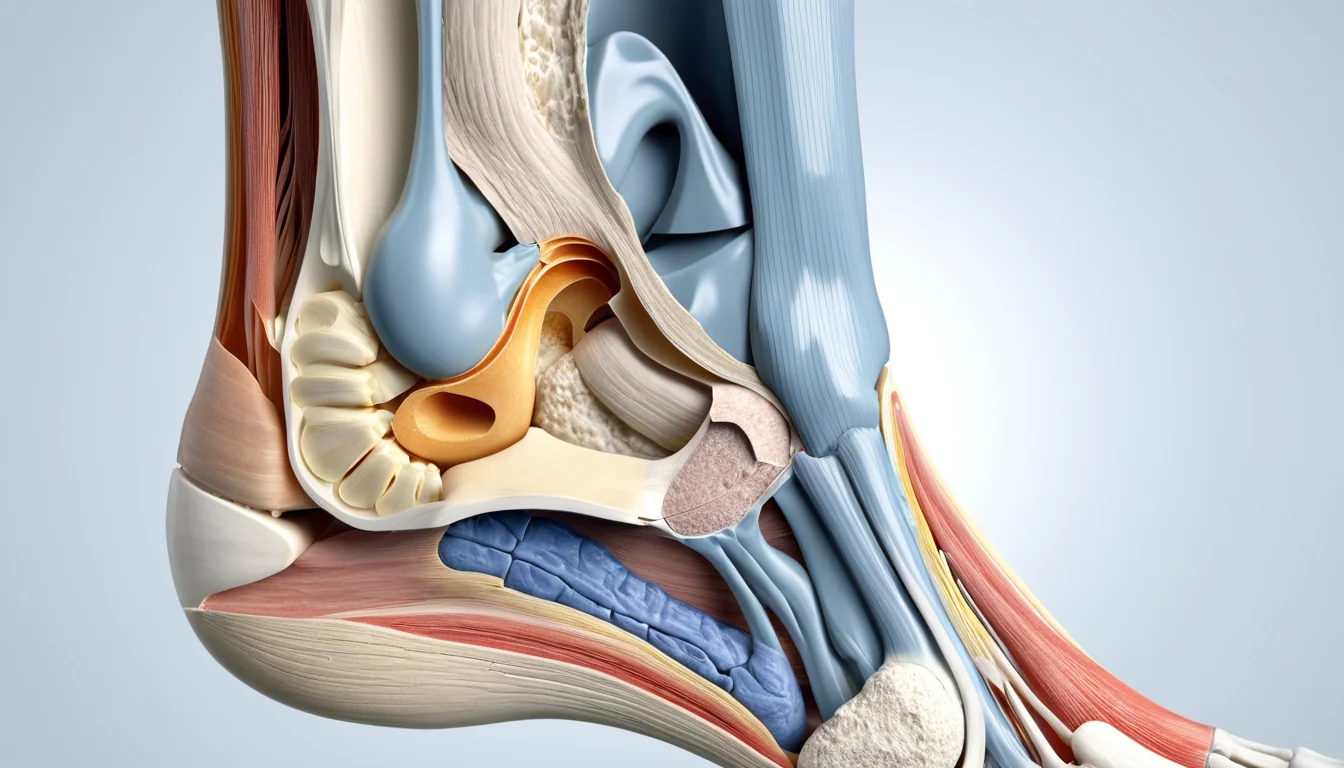
A bone spur, also called an osteophyte, is an extra piece of bone that grows on top of normal bone. The surface of a bone spur is usually smooth, not jagged. However, it can still cause problems by rubbing against other bones, ligaments, or tendons.
Bone spurs can form in many parts of the body. Common locations include the spine, shoulders, hands, hips, knees, and feet. According to the Mayo Clinic, most people with bone spurs do not even know they have them until an X-ray is taken for another reason.
Common Causes of Bone Spurs
Bone spurs form when the body tries to repair itself. In response to long-term pressure, friction, or stress on a bone, the body produces extra bone tissue. This is a natural but sometimes problematic healing response.
Aging and Osteoarthritis
One of the most common causes of bone spurs is aging. As we get older, the cartilage that covers the ends of our bones inside joints slowly wears away. This condition is called osteoarthritis. Without that cushioning layer, bones can rub together, triggering the growth of bone spurs along the joint edges.
This type of bone spur is especially common in the spine and feet. The spinal discs that sit between the vertebrae can also break down with age, adding further stress to the joints and encouraging spur formation.
Foot Problems and Lifestyle Factors
Bone spurs often form in the feet due to repeated stress and strain. Activities like running and dancing place high demands on foot structures. In addition, carrying excess body weight puts ongoing pressure on the feet and ankles.
One very common example involves the plantar fascia, a long ligament that runs along the bottom of your foot. When this ligament becomes tight and inflamed — a condition known as plantar fasciitis — it pulls on the heel bone. As the body tries to repair this stress, a heel spur can form on the underside of the heel bone.
Wearing poorly fitted shoes, especially tight or narrow footwear, can also trigger bone spurs. For example, frequently wearing high heels can cause a spur to develop at the back of the heel. This is particularly common in women who wear high heels regularly.
Shoulder Overuse
The shoulder joint is one of the most mobile joints in the body. Because of this, the muscles, tendons, and ligaments in the shoulder can rub against each other over time. The group of muscles that lifts and rotates the arm is called the rotator cuff. The tendons of the rotator cuff pass through a narrow space between the top of the shoulder and the upper arm bone.
Bone spurs can form in this tight space, squeezing the tendons and causing irritation, inflammation, and pain. This condition is called rotator cuff tendinitis. It is more common with age and with repeated overhead movements. Athletes such as baseball players, and workers like painters who frequently raise their arms overhead, are at higher risk.
Recognising the Symptoms of Bone Spurs
Many people have bone spurs and feel nothing at all. In fact, bone spurs often go undetected for years. However, when a bone spur presses on nearby tissue, symptoms can develop.
Common symptoms of bone spurs include:
- Pain in the affected joint, especially during movement
- Swelling and inflammation around the joint
- Stiffness or reduced range of motion
- Weakness in the affected area, especially in the shoulder
- Corns or calluses on the foot, caused by skin thickening over a spur
- Tenderness when pressing on the heel or sole of the foot
Furthermore, if a bone spur in the shoulder is left untreated, it can eventually cause a tendon to tear. Therefore, it is important not to ignore persistent joint pain. Healthline provides a helpful overview of bone spur symptoms and when they may need medical attention.
How Are Bone Spurs Diagnosed?
Bone spurs are usually visible on a standard X-ray. However, because most bone spurs cause no symptoms, doctors do not typically order X-rays just to look for them. Instead, bone spurs are often discovered incidentally during imaging done for another purpose, such as diagnosing arthritis or investigating joint pain.
Your family doctor will review your symptoms, examine the affected area, and may refer you for imaging if needed. In some cases, an MRI or ultrasound may be ordered to assess damage to surrounding soft tissues like tendons and ligaments.
Treatment Options for Bone Spurs
Not all bone spurs need treatment. If a bone spur is not causing pain or limiting your movement, your doctor may simply monitor it over time. Treatment is only recommended when bone spurs cause symptoms or damage nearby tissue.
Non-Surgical Treatments
Most bone spur cases can be managed without surgery. Non-surgical treatment options include:
- Rest and ice: Reducing activity and applying ice to the affected area helps control pain and swelling.
- Stretching exercises: Gentle stretching of the Achilles tendon and the sole of the foot can relieve pressure from heel spurs. A physiotherapist can guide you through the right exercises.
- Weight management: Losing excess weight reduces the load on joints, especially helpful when osteoarthritis or plantar fasciitis is involved.
- Footwear changes: Switching to properly fitted, supportive shoes can make a significant difference. Adding cushioning insoles or protective padding inside the shoe also helps.
- Anti-inflammatory medications: Over-the-counter non-steroidal anti-inflammatory drugs (NSAIDs), such as ibuprofen, can reduce pain and inflammation. Always follow the label directions or ask your pharmacist.
- Physiotherapy: A registered physiotherapist can use treatments such as therapeutic ultrasound to help manage plantar fasciitis and shoulder pain related to bone spurs.
- Joint protection education: For those with osteoarthritis, learning how to protect your joints during daily activities can slow further damage and reduce pain.
As a result of these conservative measures, many people experience significant improvement without ever needing surgery. Health Canada encourages Canadians to explore non-invasive options first when managing musculoskeletal conditions.
Surgical Treatment
Surgery is considered only when conservative treatments have failed and the bone spur continues to cause serious pain or tissue damage. During surgery, the bone spur is removed. Recovery time varies depending on the location and the extent of any surrounding tissue damage. Your specialist will discuss the risks and benefits with you before recommending this option.
When to See a Doctor
You should speak with your family doctor if you have persistent joint pain, swelling, or stiffness that does not improve with rest. If your regular family doctor is not immediately available, a walk-in clinic can assess your symptoms and arrange imaging if needed.
Seek prompt medical attention if you experience sudden severe pain, significant loss of movement, or numbness and tingling in your arms or legs. These symptoms could suggest that a bone spur is pressing on a nerve or has caused a tendon tear.
Keep in mind that early assessment leads to better outcomes. Provincial health plans across Canada cover visits to family doctors and walk-in clinics, so do not hesitate to get checked out. As always, the information in this article is for general education only — please consult a qualified healthcare provider for advice specific to your situation.
Frequently Asked Questions About Bone Spurs
What do bone spurs feel like?
Many people with bone spurs feel nothing at all. However, when bone spurs press on nearby tendons, ligaments, or nerves, they can cause pain, stiffness, swelling, or weakness in the affected area. In the foot, bone spurs may feel like a sharp ache in the heel, especially with the first steps in the morning.
Can bone spurs go away on their own?
Bone spurs do not disappear on their own without treatment. However, many people manage their symptoms successfully with conservative care such as rest, stretching, proper footwear, and physiotherapy. If bone spurs are not causing symptoms, no treatment is usually needed at all.
What is the best treatment for heel bone spurs?
The most effective treatment for heel bone spurs typically involves a combination of rest, ice, stretching exercises, and supportive footwear. Adding cushioned insoles or heel pads can reduce pressure on the spur. Most people see improvement with these non-surgical measures, though a physiotherapist or family doctor can tailor a plan to your needs.
Are bone spurs the same as arthritis?
Bone spurs and arthritis are not the same thing, but they are closely connected. Osteoarthritis causes cartilage in the joints to break down, and the resulting friction and stress can trigger the formation of bone spurs. So while bone spurs are a separate condition, they are often a sign of underlying arthritis.
Do bone spurs always need surgery?
No, the vast majority of bone spurs do not require surgery. Most cases are managed successfully with conservative treatments like physiotherapy, weight loss, anti-inflammatory medication, and footwear adjustments. Surgery is only considered when other treatments have not worked and the bone spur is causing ongoing pain or tissue damage.
What causes bone spurs to form in the first place?
According to Mayo Clinic’s overview of bone spurs, this information is supported by current medical research.
For more information, read our guide on neck arthritis symptoms and treatment in Canada.
Bone spurs form when the body responds to long-term pressure, friction, or stress on a bone by producing extra bone tissue. Common causes include aging, osteoarthritis, repetitive physical activity, excess body weight, and poorly fitting footwear. Essentially, the body is trying to protect and repair itself, but the new bone growth can sometimes create problems of its own.
Key Takeaways
- Bone spurs are smooth, extra growths of bone that develop in response to long-term pressure or joint wear.
- They commonly form in the feet, spine, and shoulders, but can appear anywhere in the body.
- Many bone spurs cause no symptoms and are discovered only through X-rays taken for other reasons.
- When symptoms do occur, they include pain, swelling, stiffness, and reduced movement in the affected joint.
- Most cases respond well to non-surgical treatments such as rest, stretching, physiotherapy, footwear changes, and weight management.
- Surgery is a last resort and is only recommended when conservative care fails.
- If you are experiencing persistent joint pain, speak with your family doctor or visit a walk-in clinic — your provincial health plan covers these visits.
- Always consult a qualified healthcare provider before starting any new treatment.
Frequently Asked Questions
What are bone spurs?
Bone spurs (osteophytes) are small, smooth bony growths that develop along the edges of bones, often where bones meet in joints. They form in response to pressure, friction, or prolonged inflammation. Common in the spine, heels, shoulders, and knees, they frequently cause no symptoms but can trigger pain when pressing on nearby tissue.
What are the symptoms of bone spurs?
Many bone spurs cause no symptoms. When symptoms occur, they include localized pain, stiffness, reduced range of motion, numbness, or tingling near the affected joint. Heel spurs may cause sharp pain when walking. Spinal bone spurs can compress nerves, causing radiating pain, weakness, or numbness in the arms or legs.
How are bone spurs treated in Canada?
Treatment begins conservatively with rest, physiotherapy, anti-inflammatory medications (like ibuprofen), and orthotics for heel spurs. Corticosteroid injections may reduce inflammation. Most Canadians manage bone spurs without surgery. If conservative treatment fails after several months and pain significantly limits daily function, surgical removal of the spur may be recommended.
Can bone spurs be prevented?
You can reduce your risk by maintaining a healthy weight to minimize joint stress, wearing supportive footwear, staying physically active with low-impact exercise, and practising good posture. Managing osteoarthritis early also helps. While not always preventable, these lifestyle measures significantly lower your chances of developing painful bone spurs.
When should you see a doctor about bone spurs?
See a doctor if you experience persistent joint pain lasting more than a few weeks, significant stiffness limiting daily activities, numbness or tingling in your limbs, or sudden weakness. In Canada, your family physician can order X-rays to confirm the diagnosis and refer you to an orthopaedic specialist or physiotherapist if needed.

About the Author
Dr. Linda Chen, RD, PhDDr. Linda Chen is a registered dietitian and PhD in Nutritional Sciences from the University of British Columbia. With expertise in clinical nutrition, sports dietetics, and gut health, she has worked with leading Canadian hospitals and sports organizations. Dr. Chen is a member of Dietitians of Canada and regularly contributes to national nutrition policy discussions.
View all articles →