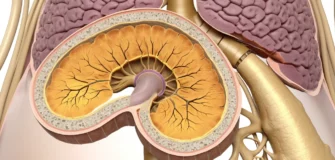
Prostatitis Symptoms: Causes & Treatment in Canada

Share
Prostatitis symptoms can range from painful urination and pelvic discomfort to fever and sexual difficulties, making it one of the most common urological concerns among Canadian men of all ages. Whether sudden or long-lasting, these symptoms can significantly affect quality of life and should not be ignored.
Recognizing Prostatitis Symptoms in Men
Prostatitis refers to inflammation of the prostate gland, a small organ located just below the bladder. In Canada, chronic prostatitis and related pelvic pain syndrome account for a significant number of visits to family doctors and walk-in clinics each year. Understanding the causes and treatment options is the first step toward relief. This guide covers everything Canadian men need to know about prostatitis — from diagnosis to prevention.
What Is Prostatitis?
| Type of Prostatitis | Key Characteristics & Prostatitis Symptoms | Duration | Management Approach |
|---|---|---|---|
| Acute Bacterial Prostatitis | Sudden fever, chills, painful urination, pelvic pain, difficulty urinating, cloudy urine | Weeks (requires prompt treatment) | Oral or IV antibiotics (e.g., fluoroquinolones); hospitalization may be required in severe cases |
| Chronic Bacterial Prostatitis | Recurrent urinary tract infections, mild pelvic discomfort, urinary urgency and frequency | 3 months or longer | Long-term antibiotic therapy (4–12 weeks); alpha-blockers to relieve urinary symptoms |
| Chronic Pelvic Pain Syndrome (CPPS) | Persistent pelvic, groin or lower back pain, painful ejaculation, no confirmed bacterial infection | 3 months or longer; often recurring | Physiotherapy, anti-inflammatories, alpha-blockers, psychological support, lifestyle changes |
| Asymptomatic Inflammatory Prostatitis | No noticeable symptoms; inflammation discovered incidentally during testing for other conditions | Variable; often undetected | Generally no treatment required; monitoring recommended by a Canadian urologist |
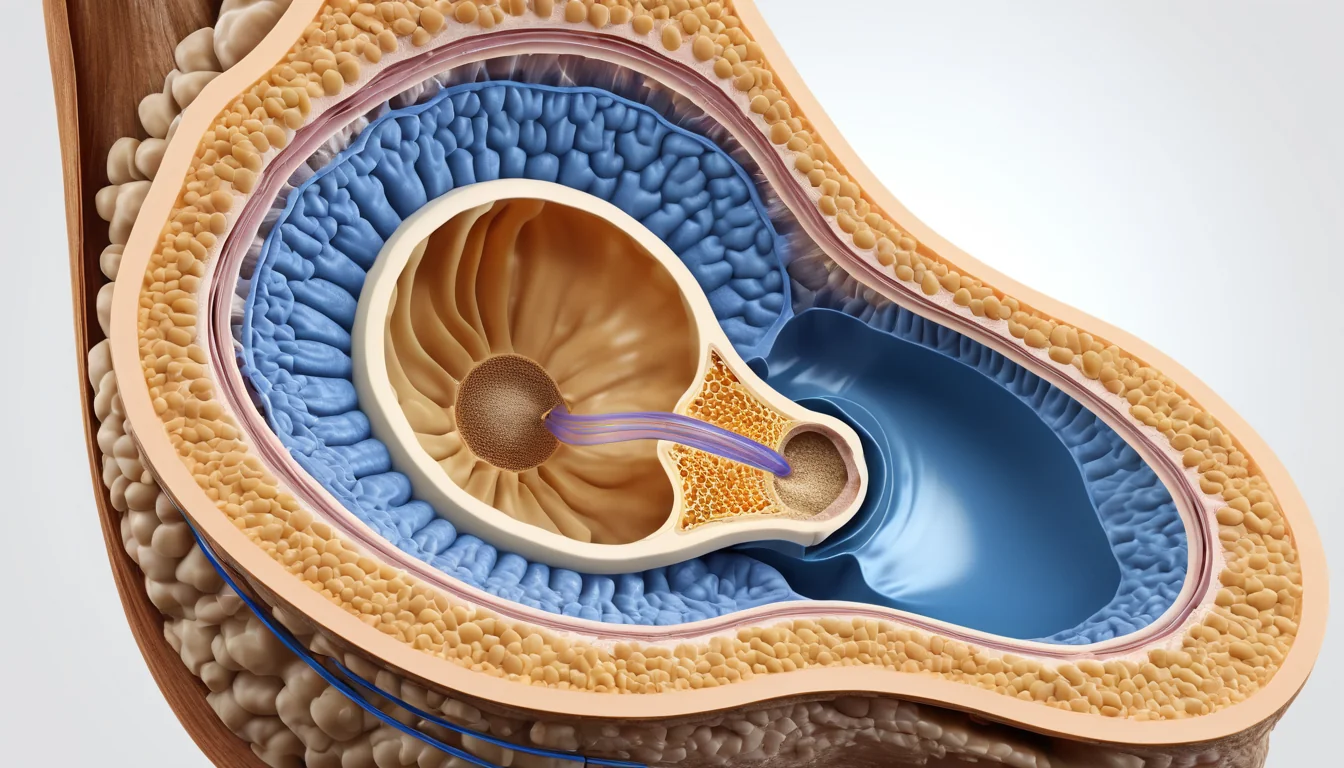
The prostate is a small, oval-shaped gland located just below the bladder in men. It surrounds the urethra — the tube that carries urine out of the body. The prostate produces most of the fluid in semen.
Prostatitis means the prostate is inflamed or irritated. However, inflammation does not always mean infection. In fact, about 50% of men with prostatitis show no clear signs of inflammation at all. Of those who do show inflammation, only about 10% have a confirmed bacterial infection.
There are several types of prostatitis. These include acute bacterial prostatitis, chronic bacterial prostatitis, chronic pelvic pain syndrome (inflammatory and non-inflammatory), and asymptomatic inflammatory prostatitis. Each type behaves differently and requires a different approach to treatment.
Symptoms of Prostatitis
Most forms of prostatitis share similar symptoms. The exception is acute bacterial prostatitis, which tends to be more severe, and asymptomatic prostatitis, which causes no symptoms at all.
Common symptoms of chronic prostatitis and chronic pelvic pain syndrome include:
- Frequent urination in small amounts (also called urinary frequency)
- A burning sensation during urination
- Waking up at night to urinate (nocturia)
- Difficulty starting the urine stream, a weak flow, or dribbling after urination
- A feeling that the bladder never fully empties
- Pain or discomfort in the lower back, testicles, anus, lower abdomen, or inner thighs
- Pain that gets worse during bowel movements
- Pain or discomfort during or after ejaculation
- Pain at the tip of the penis
These symptoms can come and go over weeks or months. Furthermore, they can significantly affect a man’s quality of life, leading to stress, anxiety, or depression.
Causes and Risk Factors
In many cases, the exact cause of prostatitis is unknown. This is especially true for chronic pelvic pain syndrome, which is the most common form. However, researchers have identified several risk factors that may increase a man’s chances of developing the condition.
Known Risk Factors
- A recent urinary tract infection (UTI)
- Recent urinary catheterisation or a cystoscopy procedure
- Unprotected anal sex
- A history of sexually transmitted infections (STIs)
- A previous episode of bacterial prostatitis — men with chronic bacterial prostatitis have a higher risk of future flare-ups
Bacterial prostatitis is caused by bacteria entering the prostate, often from the urinary tract. In contrast, the cause of non-bacterial prostatitis remains unclear and may involve nerve damage, immune system reactions, or pelvic muscle tension.
How Is Prostatitis Diagnosed?
Diagnosing prostatitis starts with a full physical examination and a review of your medical history. However, the type of prostatitis cannot be determined from symptoms alone. Lab tests are always needed.
Urine and Prostate Fluid Cultures
If a bacterial infection is suspected, your doctor will order a urine culture. This test identifies whether bacteria are present and which type they are. If no bacterial infection is suspected, the doctor may collect fluid from the prostate by gently massaging it. This sample is then tested in a lab.
It is important to note that prostate massage is not recommended when a bacterial infection is suspected. Some specialists believe this procedure can push bacteria into the bloodstream, increasing the risk of septicaemia (a serious blood infection).
Additional Tests
In some cases, further investigations are needed. These may include additional imaging or tests if:
- Symptoms do not improve with treatment
- Inflammation continues despite antibiotics
- Bladder or prostate cancer is suspected
- A complication such as a prostatic abscess is possible
According to Mayo Clinic’s overview of prostatitis, a thorough diagnosis is essential to ensure the right type of prostatitis is treated correctly.
Treatment Options for Prostatitis
Treatment depends on the type of prostatitis you have. Most forms begin with a course of antibiotics, even when a bacterial cause has not been confirmed. This approach helps rule out infection while providing symptom relief.
Treating Acute Bacterial Prostatitis
Acute bacterial prostatitis is the most severe form. It requires prompt treatment to prevent serious complications such as sepsis or a prostatic abscess. Treatment typically includes:
- A course of antibiotics (usually taken for several weeks)
- Fever-reducing medication (antipyretics)
- Pain relief medication
- Plenty of fluids and rest
Most men recover fully within three to four weeks. However, if urination becomes impossible or intravenous antibiotics are needed, hospitalisation may be required. This care is available through your provincial health plan — speak with your family doctor or visit a walk-in clinic right away if symptoms are severe.
Treating Chronic Prostatitis
If symptoms improve with antibiotics, treatment may continue for two to three months. If symptoms do not improve, additional tests are ordered. Chronic prostatitis can be more difficult to treat and may require a combination of approaches.
The Healthline guide to prostatitis treatment outlines several strategies, including alpha-blockers to relax the prostate, anti-inflammatory medications, and pelvic floor physiotherapy.
Home Care and Self-Management
While medical treatment is essential, some self-care steps can help ease symptoms at home:
- Take over-the-counter pain relievers such as ibuprofen or acetaminophen as directed
- Soak in a warm bath to relieve pelvic pain and muscle tension
- Rest and drink plenty of fluids, especially if you have an infection
- Eat a high-fibre diet with plenty of fruits and vegetables to prevent constipation — straining during bowel movements can worsen pelvic pain
- Avoid constipation, as it can increase discomfort in the pelvic area
These measures do not replace medical treatment. However, they can support your recovery and improve your daily comfort.
Preventing Prostatitis
There is no guaranteed way to prevent all forms of prostatitis. However, certain habits can reduce your risk, especially for the bacterial form.
- Maintain good personal hygiene
- Drink enough fluids each day to keep urine flowing normally
- Treat urinary tract infections early — do not wait for symptoms to worsen
- Use protection during sexual activity, including anal sex
As a result of these steps, the risk of bacteria reaching the prostate is significantly reduced. For more information on prostate health, visit Health Canada’s official health resources.
When to See a Doctor
Some symptoms of prostatitis are a medical emergency. Go to your nearest emergency room or call 911 if you have a high fever with chills, are unable to urinate, or notice blood or pus in your urine. These signs may indicate acute bacterial prostatitis, which can become life-threatening without treatment.
Book an appointment with your family doctor or visit a walk-in clinic if you experience:
- Pain in the lower back, scrotum, penis, anus, or pelvis
- Pain during or after ejaculation
- Frequent urinary tract infections
- Unusual discharge from the penis or sores on the genitals
- Urinary problems such as a weak stream, frequent nighttime urination, or difficulty starting to urinate
Your family doctor can order the right tests and refer you to a urologist if needed. Most provincial health plans cover these visits and any required lab work. Do not delay seeking care — early treatment leads to better outcomes.
Always consult your doctor or a qualified healthcare provider before starting any treatment. The information in this article is for general education only and is not a substitute for professional medical advice.
What does prostatitis feel like?
Prostatitis often causes a burning sensation when urinating, frequent trips to the bathroom, and pain in the pelvic area, lower back, or genitals. Some men also experience pain during or after ejaculation. The discomfort can range from mild to severe depending on the type of prostatitis.
Can prostatitis go away on its own?
Acute bacterial prostatitis rarely goes away without treatment and requires antibiotics. Chronic prostatitis or chronic pelvic pain syndrome may improve with time and self-care, but medical evaluation is still strongly recommended. Always see your family doctor if symptoms last more than a few days.
Is prostatitis the same as a prostate infection?
Not always. Prostatitis is inflammation of the prostate gland, and only some cases are caused by a bacterial infection. In fact, the majority of prostatitis cases have no confirmed bacterial cause. Your doctor will run tests to determine which type you have before recommending treatment.
How long does prostatitis last?
Acute bacterial prostatitis typically resolves within three to four weeks with proper antibiotic treatment. Chronic prostatitis or chronic pelvic pain syndrome can last for months and may require longer-term management. Early diagnosis and consistent treatment give the best chance of full recovery.
Can prostatitis affect sexual health?
Yes, prostatitis can cause pain during or after ejaculation, which may affect sexual activity and overall wellbeing. Some men also experience erectile difficulties related to the pain and stress that prostatitis causes. Speaking with your doctor openly about these effects is important, as effective treatments are available.
Is prostatitis covered under Canadian provincial health plans?
According to Mayo Clinic’s overview of prostatitis, this information is supported by current medical research.
For more information, read our guide on bacterial infections and their treatment in Canada.
Yes, visits to your family doctor or a walk-in clinic for prostatitis are covered under most provincial and territorial health plans in Canada. Lab tests and specialist referrals are generally covered as well. Check with your provincial health authority for details specific to your province.
Key Takeaways
- Prostatitis is inflammation of the prostate gland and is one of the most common urological issues in Canadian men.
- There are several types, ranging from acute bacterial prostatitis to chronic pelvic pain syndrome.
- Common symptoms include painful urination, frequent urination, pelvic pain, and discomfort during ejaculation.
- Bacterial prostatitis is treated with antibiotics. Chronic forms may require longer-term, combined treatment approaches.
- A high-fibre diet, staying hydrated, and practising safe sex can help reduce your risk.
- See your family doctor or visit a walk-in clinic if symptoms persist. Seek emergency care for fever, inability to urinate, or blood in the urine.
- Always follow your doctor’s advice — do not self-diagnose or self-treat prostatitis.
Frequently Asked Questions
What is prostatitis?
Prostatitis is inflammation of the prostate gland, a walnut-sized organ below the bladder in men. It can be caused by bacterial infection or non-infectious factors. It affects men of all ages and is one of the most common urological conditions in Canada, with four distinct types classified by doctors.
What are the most common prostatitis symptoms?
Common prostatitis symptoms include painful or burning urination, frequent urges to urinate, pelvic or lower back pain, painful ejaculation, and difficulty emptying the bladder. Bacterial prostatitis may also cause fever, chills, and flu-like symptoms. Chronic forms may produce milder but persistent discomfort lasting three months or more.
How are prostatitis symptoms treated in Canada?
Treatment depends on the type. Bacterial prostatitis is treated with antibiotics, typically for four to twelve weeks. Chronic cases may require alpha-blockers to relax bladder muscles, anti-inflammatory medications, physiotherapy, or lifestyle changes. Canadian urologists may also recommend warm sitz baths and dietary adjustments to manage ongoing symptoms.
Can prostatitis be prevented?
There is no guaranteed way to prevent prostatitis, but certain habits may reduce risk. Staying well hydrated, practising safe sex, maintaining good hygiene, and avoiding prolonged sitting or cycling can help. Treating urinary tract infections promptly is also important, as untreated infections can spread to the prostate gland.
When should I see a doctor for prostatitis symptoms?
See a doctor promptly if you experience painful urination, pelvic pain, difficulty urinating, or fever with chills, as these may indicate acute bacterial prostatitis requiring urgent antibiotic treatment. In Canada, you can visit your family doctor, a walk-in clinic, or an emergency room if symptoms are severe or sudden.

About the Author
Dr. Linda Chen, RD, PhDDr. Linda Chen is a registered dietitian and PhD in Nutritional Sciences from the University of British Columbia. With expertise in clinical nutrition, sports dietetics, and gut health, she has worked with leading Canadian hospitals and sports organizations. Dr. Chen is a member of Dietitians of Canada and regularly contributes to national nutrition policy discussions.
View all articles →