Addison’s Disease: Causes, Symptoms & Treatment Canada

Share
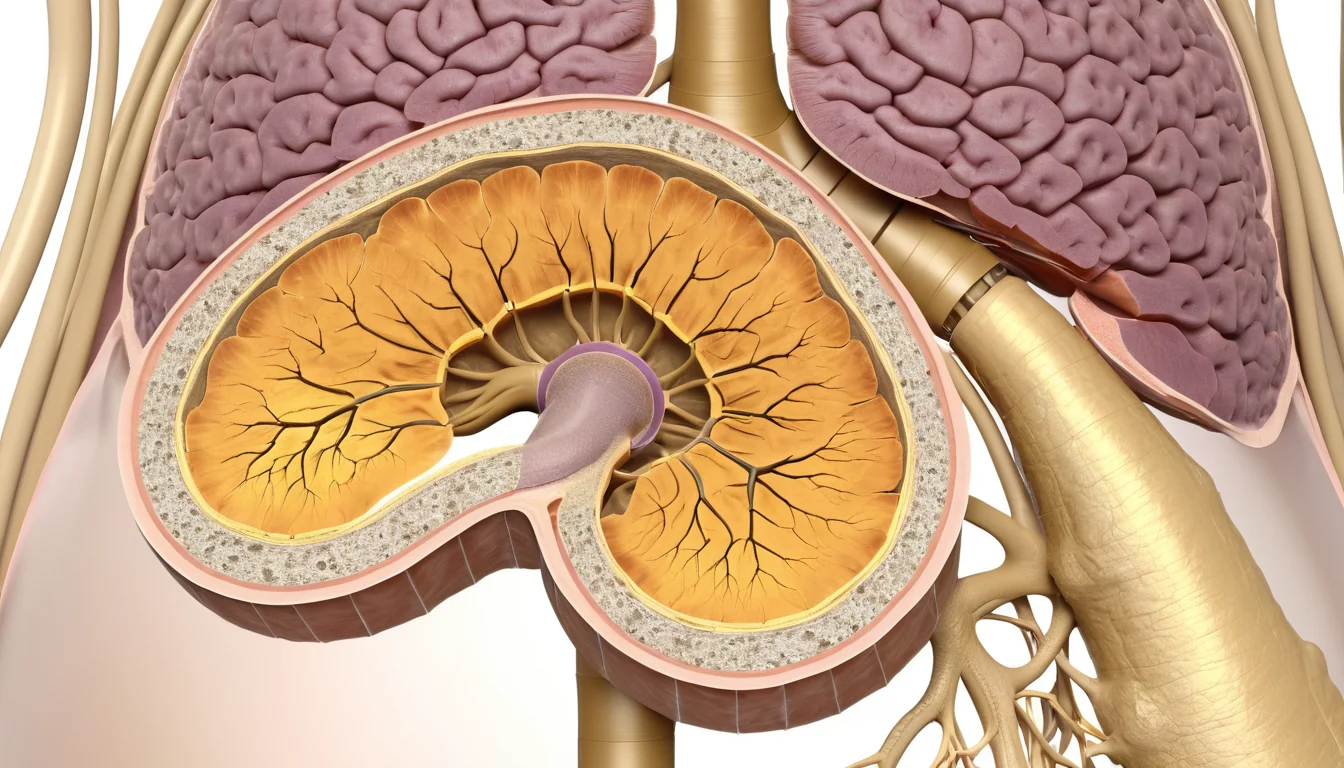
Addison’s disease is a rare but serious condition in which the adrenal glands stop producing enough essential hormones, especially cortisol. These small glands sit on top of your kidneys and play a critical role in keeping your body balanced. Without adequate cortisol, your body struggles to cope with everyday stress, illness, and physical demands — making early recognition and treatment vital for Canadians living with this condition.
What Causes Addison’s Disease in Canadian Patients?
Also known as primary adrenal insufficiency, Addison’s disease develops when the adrenal glands can no longer produce sufficient cortisol and, in many cases, aldosterone. Canadian healthcare providers diagnose and manage this condition through a combination of blood tests, imaging, and lifelong hormone replacement therapy. This article covers the causes, key Addison’s disease symptoms to watch for, and how the Canadian health system supports patients with this chronic condition.
What Is Addison’s Disease?
| Symptom | Description | Severity |
|---|---|---|
| Chronic Fatigue | Persistent, debilitating exhaustion that does not improve with rest; often the earliest and most prominent sign of Addison’s disease | Moderate to Severe |
| Hyperpigmentation | Darkening of the skin, particularly in skin creases, scars, and mucous membranes, caused by elevated ACTH levels | Mild to Moderate |
| Low Blood Pressure (Hypotension) | Blood pressure drops significantly, especially upon standing (orthostatic hypotension), causing dizziness and fainting episodes | Moderate to Severe |
| Salt Craving and Electrolyte Imbalance | Intense craving for salty foods due to aldosterone deficiency causing sodium loss and potassium retention through the kidneys | Moderate |
| Gastrointestinal Disturbances | Nausea, vomiting, abdominal pain, and diarrhea resulting from cortisol deficiency affecting digestive function | Mild to Moderate |
| Adrenal Crisis | Acute, life-threatening emergency involving severe low blood pressure, extreme weakness, and vomiting requiring immediate emergency care | Severe (Medical Emergency) |
Addison’s disease is also called primary adrenal insufficiency. It happens when the adrenal glands do not produce enough cortisol and, in many cases, not enough aldosterone either. Cortisol is often called the “stress hormone” because it helps your body respond to illness, surgery, or injury. Aldosterone helps control blood pressure by balancing salt and water levels in the body.
Your brain controls how much cortisol your body makes. The hypothalamus signals the pituitary gland to release a hormone called ACTH (adrenocorticotropic hormone). ACTH then tells the adrenal glands to produce cortisol. When this chain breaks down at the adrenal gland level, doctors call it primary adrenal insufficiency, or Addison’s disease.
When the problem starts in the hypothalamus or pituitary gland instead, doctors call it secondary adrenal insufficiency. This is a different condition, but it can cause similar symptoms. Health Canada recognizes adrenal insufficiency as a condition requiring ongoing medical management.
What Causes Addison’s Disease?
The most common cause of Addison’s disease is the immune system attacking the adrenal glands by mistake. This is called an autoimmune response. Over time, the immune system damages the tissue that produces cortisol and aldosterone.
Other Causes of Adrenal Damage
Several other conditions can also damage the adrenal glands. These include:
- Tuberculosis, which remains a cause in some parts of the world
- Certain cancers that spread to the adrenal glands
- HIV infection and other serious infections, such as meningococcal sepsis
- Bleeding into the adrenal glands, sometimes caused by blood thinners
- Injury to the adrenal glands during pregnancy or childbirth
- Certain types of radiation therapy
Addison’s disease can affect people of any age, including children. The autoimmune form is more common in women. However, the tuberculosis-related form tends to be more common in men. Anyone can develop this condition, regardless of background or age.
Symptoms of Addison’s Disease
Symptoms of Addison’s disease usually develop slowly over months or even years. Because they appear gradually, many people do not notice them until the condition becomes serious. However, when the adrenal glands are damaged quickly — for example, due to bleeding — symptoms can appear very suddenly.
Common Early Symptoms
The most frequent early symptoms include:
- Muscle weakness and fatigue that gets worse over time
- Unexplained weight loss and reduced appetite
- Nausea, vomiting, diarrhoea, and stomach pain
- Craving salty foods
- Dizziness when standing up, known as orthostatic hypotension
- Low blood sugar levels, which can cause shakiness and difficulty concentrating
- Irritability, depression, or difficulty focusing
- Reduced sex drive in men, or missed periods in women
- Muscle pain or weakness
Skin Colour Changes
One distinctive sign of Addison’s disease is darkening of the skin, called hyperpigmentation. This darkening tends to appear in areas such as skin folds, the lips, gums, knuckles, knees, elbows, and the skin around the mouth and nose. Importantly, this darkening only affects scars that formed after the adrenal problem began. Older scars are usually not affected.
According to the Mayo Clinic’s overview of Addison’s disease, this skin darkening is one of the most recognizable signs that sets Addison’s apart from other conditions.
What Is an Adrenal Crisis?
An adrenal crisis, sometimes called an Addisonian crisis, is a medical emergency. It happens when cortisol levels drop suddenly and severely. The body cannot cope with the stress of an illness, injury, surgery, or even severe dehydration. This is one of the most dangerous complications of untreated Addison’s disease.
Symptoms of an Adrenal Crisis
An adrenal crisis can develop rapidly. Symptoms include:
- Severe vomiting and diarrhoea leading to dangerous dehydration
- Sudden sharp pain in the abdomen, back, or legs
- Extreme weakness and feeling faint
- Unusual behaviour, confusion, restlessness, or unexplained fear
- High fever
- Loss of consciousness or coma
- Extremely pale skin, with lips and earlobes turning blue-purple
An adrenal crisis can be fatal if not treated immediately. A sudden drop in blood pressure can send the body into shock. If you or someone nearby shows these symptoms, call 911 right away. Do not wait to see if symptoms improve on their own.
How Is Addison’s Disease Diagnosed?
Diagnosing Addison’s disease can take time because the symptoms are similar to many other conditions. Your doctor will start with your medical history, a physical exam, and routine blood tests. Blood tests may show high potassium, low sodium, or changes in certain white blood cells — all of which can point toward adrenal problems.
The ACTH Stimulation Test
The standard test for confirming Addison’s disease is called the ACTH stimulation test. During this test, a doctor injects a synthetic form of ACTH into your bloodstream. This should trigger your adrenal glands to release cortisol. If your cortisol levels do not rise properly after the injection, it suggests your adrenal glands are not working as they should.
A single cortisol blood test alone is not reliable enough for diagnosis. Cortisol levels change throughout the day and in response to stress. Therefore, the ACTH stimulation test gives doctors a much clearer picture. The level of ACTH in your blood before the injection also helps determine whether the problem is primary (adrenal) or secondary (pituitary or hypothalamus).
For a deeper look at how adrenal insufficiency is tested and managed, Healthline’s guide to Addison’s disease provides a helpful overview of diagnostic steps.
When to See a Doctor
If you have been feeling unusually tired, losing weight without trying, or feeling dizzy when you stand up, it is worth talking to your family doctor. These symptoms on their own are common and can have many causes. However, when several of them appear together, especially with skin darkening or salt cravings, it is important to get checked.
In Canada, you can start by booking an appointment with your family doctor or visiting a walk-in clinic. Your doctor can order initial blood tests and refer you to an endocrinologist (a hormone specialist) if needed. Most provincial health plans cover these referrals and lab tests.
If you experience sudden severe vomiting, collapse, confusion, or any signs of an adrenal crisis, call 911 immediately or go to your nearest emergency department. This is a life-threatening situation that requires urgent care. Do not drive yourself to the hospital during a crisis.
Always speak with a qualified healthcare provider before making any changes to your health management. Only your doctor can properly diagnose and treat Addison’s disease.
Frequently Asked Questions About Addison’s Disease
Is Addison’s disease life-threatening?
Addison’s disease itself is manageable with proper treatment, but an adrenal crisis — a complication of untreated or poorly managed Addison’s disease — can be life-threatening. During a crisis, blood pressure drops dangerously and the body goes into shock. Prompt emergency treatment with cortisol injections and fluids is critical.
What does Addison’s disease feel like?
Most people with Addison’s disease feel constantly tired, weak, and run down, even with enough sleep. You may also notice unexplained weight loss, dizziness when standing, stomach upset, and a strong craving for salty foods. Because these symptoms build slowly, many people live with them for months before getting a diagnosis.
Can Addison’s disease be cured?
There is no cure for Addison’s disease, but it can be effectively managed with daily hormone replacement therapy. Most people with the condition take oral corticosteroids to replace the cortisol their adrenal glands cannot produce. With proper treatment, most people with Addison’s disease lead full and active lives.
What triggers an Addisonian crisis?
An Addisonian crisis is usually triggered by physical stress on the body, such as a serious infection, surgery, injury, or severe dehydration. When the body is under stress, it needs more cortisol than usual — but with Addison’s disease, the adrenal glands cannot meet that demand. People who know they have Addison’s disease are often advised to carry an emergency cortisol injection and wear a medical alert bracelet.
How is Addison’s disease diagnosed in Canada?
In Canada, a family doctor or walk-in clinic can order initial blood tests if Addison’s disease is suspected. The standard diagnostic test is the ACTH stimulation test, which measures how well the adrenal glands respond to a hormone signal. A referral to an endocrinologist is usually required for confirmation and ongoing management, and this is typically covered by provincial health plans.
Who is most at risk for Addison’s disease?
According to Mayo Clinic’s overview of Addison’s disease, this information is supported by current medical research.
For more information, read our guide on pituitary tumours and their role in adrenal insufficiency.
Addison’s disease can affect anyone at any age, including children. However, the autoimmune form is more common in women, while the form caused by tuberculosis is more common in men. People with other autoimmune conditions, such as type 1 diabetes or thyroid disease, also have a higher risk of developing Addison’s disease.
Key Takeaways
- Addison’s disease happens when the adrenal glands do not produce enough cortisol and often not enough aldosterone.
- The most common cause is the immune system attacking the adrenal glands, but infections, cancer, and other factors can also be responsible.
- Symptoms develop slowly and include fatigue, weight loss, dizziness, nausea, salt cravings, and skin darkening.
- An adrenal crisis is a medical emergency — call 911 if someone shows signs of sudden collapse, confusion, or severe vomiting.
- The ACTH stimulation test is the main tool used to confirm a diagnosis.
- In Canada, your family doctor or a walk-in clinic is the right first step if you are concerned about these symptoms.
- Addison’s disease cannot be cured, but with proper hormone replacement therapy, most people manage the condition well and live healthy lives.
- Always consult your doctor or a qualified healthcare professional for any concerns about your health.
Frequently Asked Questions
What is Addison’s disease?
Addison’s disease is a rare disorder where the adrenal glands produce insufficient cortisol and aldosterone hormones. Also called primary adrenal insufficiency, it affects the body’s ability to regulate stress, blood pressure, and metabolism. In Canada, it affects approximately 1 in 100,000 people and requires lifelong hormone replacement therapy.
What are the symptoms of Addison’s disease?
Common symptoms include chronic fatigue, muscle weakness, unexplained weight loss, low blood pressure, salt cravings, darkening of the skin, nausea, and dizziness. Symptoms develop gradually and may be mistaken for other conditions. A sudden, severe episode called an adrenal crisis can occur, requiring immediate emergency medical attention.
How is Addison’s disease treated in Canada?
Addison’s disease is treated with daily oral hormone replacement medications, primarily hydrocortisone for cortisol and fludrocortisone for aldosterone. Canadians can access these covered medications through provincial drug plans. During illness, surgery, or stress, dosage must be increased. Treatment is lifelong but allows most patients to live normal, healthy lives.
Can Addison’s disease be prevented?
Addison’s disease cannot typically be prevented, as most cases result from autoimmune damage or tuberculosis. However, complications like adrenal crisis can be prevented by following prescribed medication routines, wearing a medical alert bracelet, carrying emergency hydrocortisone injections, and working closely with an endocrinologist to manage stress-related dose adjustments.
When should you see a doctor for Addison’s disease symptoms?
See a doctor if you experience persistent fatigue, unexplained weight loss, dizziness, or skin darkening. Seek emergency care immediately for sudden severe pain, vomiting, confusion, or loss of consciousness — these may signal a life-threatening adrenal crisis. Early diagnosis through blood and hormone testing significantly improves long-term health outcomes.

About the Author
Dr. Michael Ross, MD, FRCSCDr. Michael Ross is a fellowship-trained orthopedic surgeon at the University of Alberta Hospital, specializing in joint replacement and sports medicine. A Fellow of the Royal College of Surgeons of Canada (FRCSC), he has over 18 years of surgical experience and has authored multiple textbook chapters on musculoskeletal health. Dr. Ross is passionate about patient education and evidence-based medicine.
View all articles →