
Hashimoto’s Thyroiditis: Symptoms, Causes & Treatment

Share
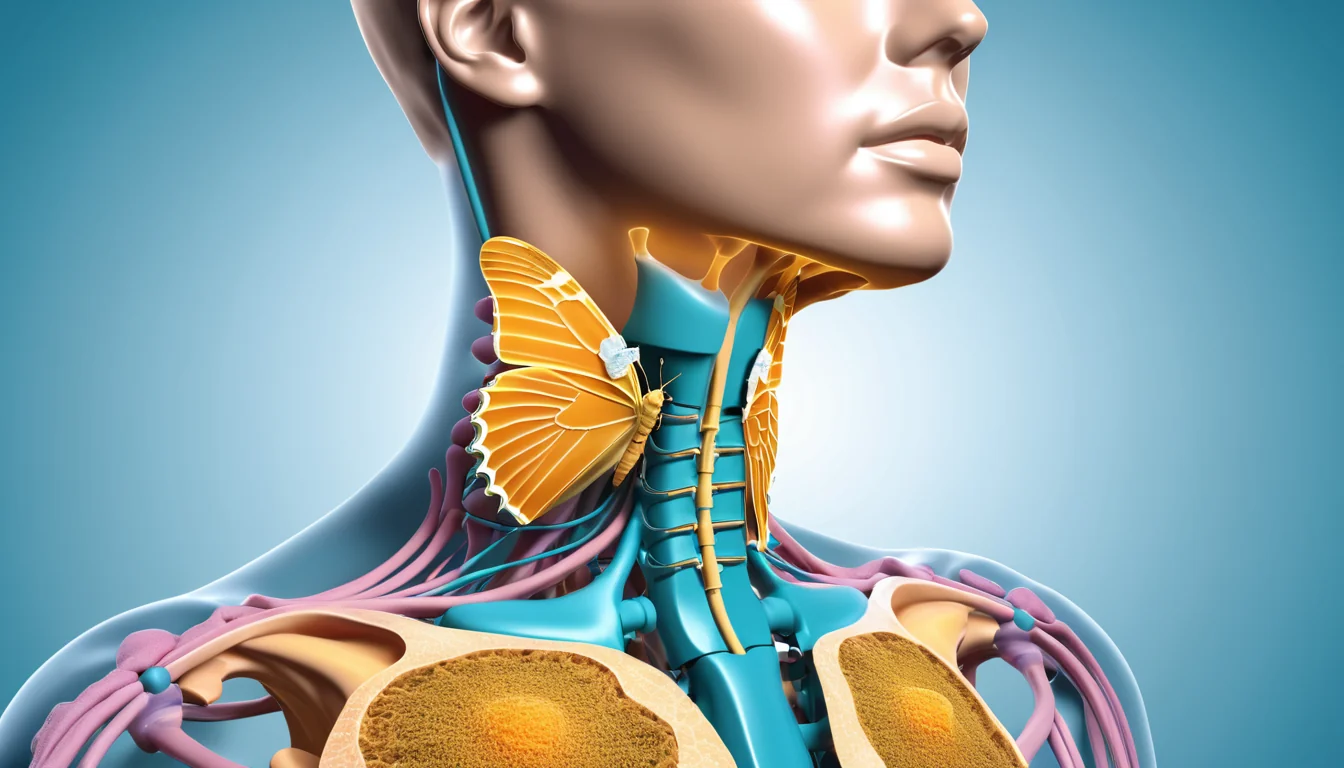
Hashimoto’s thyroiditis is an autoimmune condition in which your immune system mistakenly attacks the thyroid gland, gradually impairing its ability to produce essential hormones. It is the most common cause of hypothyroidism in Canada and affects women at significantly higher rates than men. Understanding this condition early can help you take control of your health and work with your doctor to manage symptoms effectively.
How Is Hashimoto’s Thyroiditis Diagnosed and Treated in Canada?
Over time, the chronic inflammation caused by autoimmune thyroid disease silently damages thyroid tissue, making the gland less and less capable of doing its job. Many Canadians living with this condition eventually develop hypothyroidism, experiencing fatigue, weight gain, sensitivity to cold, and other symptoms that can interfere with daily life. This guide explains what causes Hashimoto’s thyroiditis, how it is diagnosed, and the treatment options available to Canadians today.
What Is Hashimoto’s Thyroiditis?
| Symptom | Description | Severity | When to See a Doctor |
|---|---|---|---|
| Fatigue and Sluggishness | Persistent exhaustion that does not improve with rest; feeling unusually tired even after a full night’s sleep | Mild to Severe | If fatigue significantly interferes with daily activities or work |
| Weight Gain | Unexplained increase in body weight despite no changes in diet or physical activity levels | Mild to Moderate | If you gain more than 2–3 kg without a clear dietary cause |
| Cold Sensitivity | Increased sensitivity to cold temperatures, particularly in the hands and feet, due to slowed metabolism | Mild to Moderate | If sensitivity is persistent and disruptive, especially during Canadian winters |
| Depression and Brain Fog | Low mood, difficulty concentrating, memory problems, and slowed thinking caused by reduced thyroid hormone levels | Moderate to Severe | If mood changes are persistent or worsening; seek prompt medical attention |
| Goitre (Enlarged Thyroid) | Visible or palpable swelling at the base of the neck as the immune system attacks thyroid tissue | Mild to Moderate | If swallowing or breathing becomes difficult, seek immediate medical care |
| Dry Skin and Hair Loss | Skin becomes rough, pale, and dry; hair may thin, become brittle, or fall out in excess | Mild to Moderate | If hair loss is significant or skin changes are severe and not responding to moisturizers |
Your thyroid is a small, butterfly-shaped gland in the front of your neck. It produces hormones that control your metabolism — the process your body uses to convert food into energy. In Hashimoto’s thyroiditis, the immune system sends antibodies that attack thyroid tissue by mistake.
This ongoing attack causes silent, slow inflammation inside the gland. Over time, the thyroid becomes less able to do its job. As a result, many people with Hashimoto’s thyroiditis eventually develop hypothyroidism, meaning the thyroid produces too few hormones.
The condition is also known as Hashimoto’s disease or chronic lymphocytic thyroiditis. According to Mayo Clinic, it is the most common cause of hypothyroidism in developed countries.
Causes and Risk Factors of Hashimoto’s Thyroiditis
Doctors do not fully understand why some people develop Hashimoto’s thyroiditis and others do not. However, research points to several factors that may raise your risk.
Genetics and Family History
Hashimoto’s thyroiditis tends to run in families. If a close relative has this condition or another autoimmune disease, your own risk is higher. Genes appear to play a meaningful role in whether the immune system behaves normally or turns against healthy tissue.
Sex and Hormones
Women are 5 to 10 times more likely than men to develop Hashimoto’s thyroiditis. This strong difference suggests that female sex hormones play a role. In addition, some women experience thyroid problems in the first year after giving birth. About 20% of those women go on to develop Hashimoto’s thyroiditis later in life.
Excess Iodine
Your thyroid needs iodine to make hormones. However, too much iodine — from certain medications or supplements — may trigger thyroid disease in people who are already at risk. Talk to your family doctor before taking any iodine-containing supplements.
Other Contributing Factors
Researchers also believe that environmental triggers, chronic stress, and other autoimmune conditions may contribute to the development of Hashimoto’s thyroiditis. The exact combination of factors is different for each person.
Recognising the Symptoms of Hashimoto’s Thyroiditis
The symptoms of Hashimoto’s thyroiditis are often subtle at first. Many people do not notice anything unusual for months or even years. Because the symptoms overlap with those of many other conditions, they can be easy to overlook or blame on ageing or stress.
Symptoms tend to become more obvious as the thyroid slows down further. They are largely caused by a drop in thyroid hormone levels and a slower metabolism.
Common Symptoms to Watch For
- Fatigue — feeling unusually tired even after a full night’s sleep
- Weight gain — gradual, unexplained increase in body weight
- Cold intolerance — feeling cold more easily than those around you
- Depression — persistent low mood or feelings of sadness
- Dry skin and hair — skin feels rough; hair becomes brittle and may fall out
- Constipation — slow digestion and infrequent bowel movements
- Muscle cramps — aching or stiffness in the muscles
- High cholesterol — elevated LDL cholesterol levels in blood tests
- Difficulty concentrating — often described as “brain fog”
- Slow heart rate — a noticeably lower pulse than normal
- Swelling in the neck — caused by an enlarged thyroid gland, called a goitre
- Difficulty swallowing — if the thyroid presses on the throat
- Irregular periods — changes in menstrual cycle length or flow
- Difficulty getting pregnant — fertility challenges linked to low thyroid hormones
Furthermore, swelling in the lower legs or feet may occur due to fluid retention. If you notice several of these symptoms together, it is worth speaking with your family doctor or visiting a walk-in clinic.
How Is Hashimoto’s Thyroiditis Diagnosed?
Diagnosing Hashimoto’s thyroiditis involves a combination of a physical exam, your medical and family history, and blood tests. No single test alone gives the full picture.
Blood Tests
Blood tests are the most important tool for diagnosis. Your doctor will typically check your levels of thyroid-stimulating hormone (TSH), as well as the thyroid hormones T3 and T4. In the early stages of Hashimoto’s thyroiditis, T3 and T4 levels may still be within a normal range.
However, the pituitary gland — which tells the thyroid how hard to work — often becomes overactive to compensate. A raised TSH level is therefore a key early warning sign. Your doctor may also test for thyroid antibodies, such as anti-thyroid peroxidase (anti-TPO) antibodies, which are elevated in most people with Hashimoto’s thyroiditis.
According to Health Canada, thyroid disorders are among the most common hormonal conditions in the country, and routine screening can catch them early.
Imaging and Other Tests
If your thyroid feels enlarged or you have difficulty swallowing, your doctor may order an ultrasound. This scan can show the size and texture of the thyroid and rule out nodules or other structural problems. In some cases, a brain scan may be used to assess the pituitary gland if it appears to be involved.
Treatment Options for Hashimoto’s Thyroiditis
There is currently no cure for Hashimoto’s thyroiditis. The autoimmune process cannot be stopped entirely. However, the symptoms and complications — especially hypothyroidism — can be managed very effectively.
Thyroid Hormone Replacement
The most common treatment is a daily synthetic thyroid hormone pill called levothyroxine. This medication replaces the hormones your thyroid can no longer make on its own. Most people feel significantly better once their hormone levels are stable.
Your doctor will adjust the dose based on regular blood tests. It is important to take this medication consistently and not to skip doses. In Canada, this prescription is covered under most provincial drug benefit programmes for eligible patients.
Monitoring Without Medication
Not everyone with Hashimoto’s thyroiditis needs medication right away. If your thyroid hormone levels are still normal, your doctor may recommend regular blood tests every 6 to 12 months to monitor for changes. This watchful waiting approach is common in the early stages of the disease.
Pregnancy and Fertility Considerations
Women with Hashimoto’s thyroiditis who want to become pregnant should work closely with their doctor or an endocrinologist. Thyroid hormone levels need to be carefully monitored and kept within a healthy range before and throughout pregnancy. Unmanaged hypothyroidism can affect both fertility and fetal development.
Supportive and Lifestyle Approaches
Some people find that certain lifestyle changes help manage their symptoms alongside medical treatment. Eating a balanced diet rich in fibre, getting regular exercise, managing stress, and sleeping well can all support overall thyroid and immune health. For example, reducing chronic stress may help ease the burden on your immune system over time.
Always discuss any supplements or alternative therapies with your doctor before trying them, as some can interfere with thyroid medication or test results. Healthline’s overview of Hashimoto’s disease offers additional guidance on lifestyle approaches that complement medical care.
When to See a Doctor
You should speak with your family doctor if you notice unexplained fatigue, weight changes, feeling cold all the time, or swelling in your neck. These symptoms can have many causes, but it is important to rule out a thyroid condition like Hashimoto’s thyroiditis.
If you do not have a family doctor, a walk-in clinic can order initial thyroid blood tests and refer you to a specialist if needed. An endocrinologist — a doctor who specialises in hormonal conditions — can provide more in-depth care if your condition is complex or hard to manage.
Women who are pregnant or planning a pregnancy and have a history of thyroid problems should ask for a referral to an obstetrician or maternal-fetal medicine specialist. Early monitoring makes a meaningful difference in outcomes.
This article is for informational purposes only. Always consult a qualified healthcare provider for diagnosis and treatment advice tailored to your personal health needs.
Frequently Asked Questions About Hashimoto’s Thyroiditis
What is Hashimoto’s thyroiditis and how does it affect the body?
Hashimoto’s thyroiditis is an autoimmune disease where the immune system attacks the thyroid gland by mistake. Over time, this damage reduces the thyroid’s ability to produce hormones, often leading to hypothyroidism. It can cause fatigue, weight gain, cold intolerance, and many other symptoms that affect daily life.
Is Hashimoto’s thyroiditis the same as hypothyroidism?
They are related but not the same thing. Hashimoto’s thyroiditis is an autoimmune condition that causes inflammation of the thyroid, while hypothyroidism is the result of a thyroid that does not produce enough hormones. Hashimoto’s thyroiditis is actually the most common cause of hypothyroidism in Canada.
Can Hashimoto’s thyroiditis be cured?
There is currently no cure for Hashimoto’s thyroiditis, as the underlying autoimmune process cannot be fully reversed. However, the condition can be managed effectively with thyroid hormone replacement therapy and regular monitoring. Most people with Hashimoto’s thyroiditis live healthy, normal lives with proper treatment.
What foods should you avoid if you have Hashimoto’s thyroiditis?
Some people with Hashimoto’s thyroiditis find that reducing gluten or highly processed foods helps ease symptoms, though the evidence is still limited. Excessive iodine from supplements may also worsen thyroid inflammation in some individuals. Always speak with your doctor or a registered dietitian before making significant dietary changes.
How is Hashimoto’s thyroiditis diagnosed in Canada?
Diagnosis typically involves a physical exam, a review of symptoms and family history, and blood tests to measure TSH, T3, T4, and thyroid antibody levels. Your family doctor or a walk-in clinic can order these initial tests. If results are abnormal, you may be referred to an endocrinologist for further evaluation.
Can Hashimoto’s thyroiditis affect pregnancy?
According to Mayo Clinic’s overview of Hashimoto’s disease, this information is supported by current medical research.
For more information, read our guide on thyroid disorders and their symptoms in Canada.
Yes, Hashimoto’s thyroiditis can affect fertility and pregnancy outcomes if thyroid hormone levels are not well controlled. Women with this condition are advised to have their thyroid levels checked before trying to conceive and monitored closely throughout pregnancy. With proper medical care, most women with Hashimoto’s thyroiditis have healthy pregnancies.
Key Takeaways
- Hashimoto’s thyroiditis is an autoimmune condition that causes the immune system to attack the thyroid gland.
- It is the leading cause of hypothyroidism in Canada and is much more common in women than in men.
- Symptoms are often subtle at first and can include fatigue, weight gain, cold sensitivity, dry skin, and difficulty concentrating.
- Diagnosis is confirmed through blood tests measuring TSH, T3, T4, and thyroid antibodies.
- There is no cure, but thyroid hormone replacement therapy manages the condition effectively for most people.
- Women who are pregnant or planning a pregnancy should monitor thyroid levels closely with their healthcare team.
- If you have concerns about your thyroid health, speak with your family doctor or visit a walk-in clinic for testing.
Frequently Asked Questions
What is Hashimoto’s thyroiditis?
Hashimoto’s thyroiditis is an autoimmune condition where the immune system mistakenly attacks the thyroid gland, causing chronic inflammation. Over time, this damages the thyroid’s ability to produce hormones, often leading to hypothyroidism. It is the most common cause of an underactive thyroid in Canada and affects women more frequently than men.
What are the symptoms of Hashimoto’s thyroiditis?
Common symptoms include persistent fatigue, unexplained weight gain, feeling cold, dry skin, hair loss, constipation, depression, slowed heart rate, and brain fog. Some people also develop a goitre — a visible swelling at the base of the neck. Symptoms often develop gradually and can be mistaken for other conditions.
How is Hashimoto’s thyroiditis treated in Canada?
Hashimoto’s thyroiditis is typically treated with a daily synthetic thyroid hormone called levothyroxine, available by prescription across Canada. It replaces the hormones the thyroid can no longer produce adequately. Dosage is adjusted through regular TSH blood tests. Not all patients require medication, especially if thyroid hormone levels remain normal.
Can Hashimoto’s thyroiditis be prevented?
Currently, there is no known way to prevent Hashimoto’s thyroiditis since it involves a complex interaction of genetic and environmental factors. However, maintaining adequate iodine and selenium intake, managing stress, and avoiding smoking may help support thyroid health. Early detection through blood tests can prevent complications from progressing untreated.
When should you see a doctor about thyroid symptoms?
See a doctor if you experience persistent fatigue, unexplained weight changes, neck swelling, hair thinning, or ongoing depression. Canadians with a family history of thyroid or autoimmune disease should request routine TSH screening. Early diagnosis allows for timely treatment, preventing serious complications like heart problems or severe hypothyroidism.

About the Author
Dr. Sarah Mitchell, MDDr. Sarah Mitchell is a board-certified family physician with over 15 years of clinical experience. She completed her MD at the University of Toronto and her residency at Toronto General Hospital. Dr. Mitchell specializes in preventive medicine and chronic disease management. She is a member of the College of Family Physicians of Canada (CFPC) and has published over 30 peer-reviewed articles on preventive health care.
View all articles →