Blood Ammonia Test: What Your Results Mean (Canada)

Share
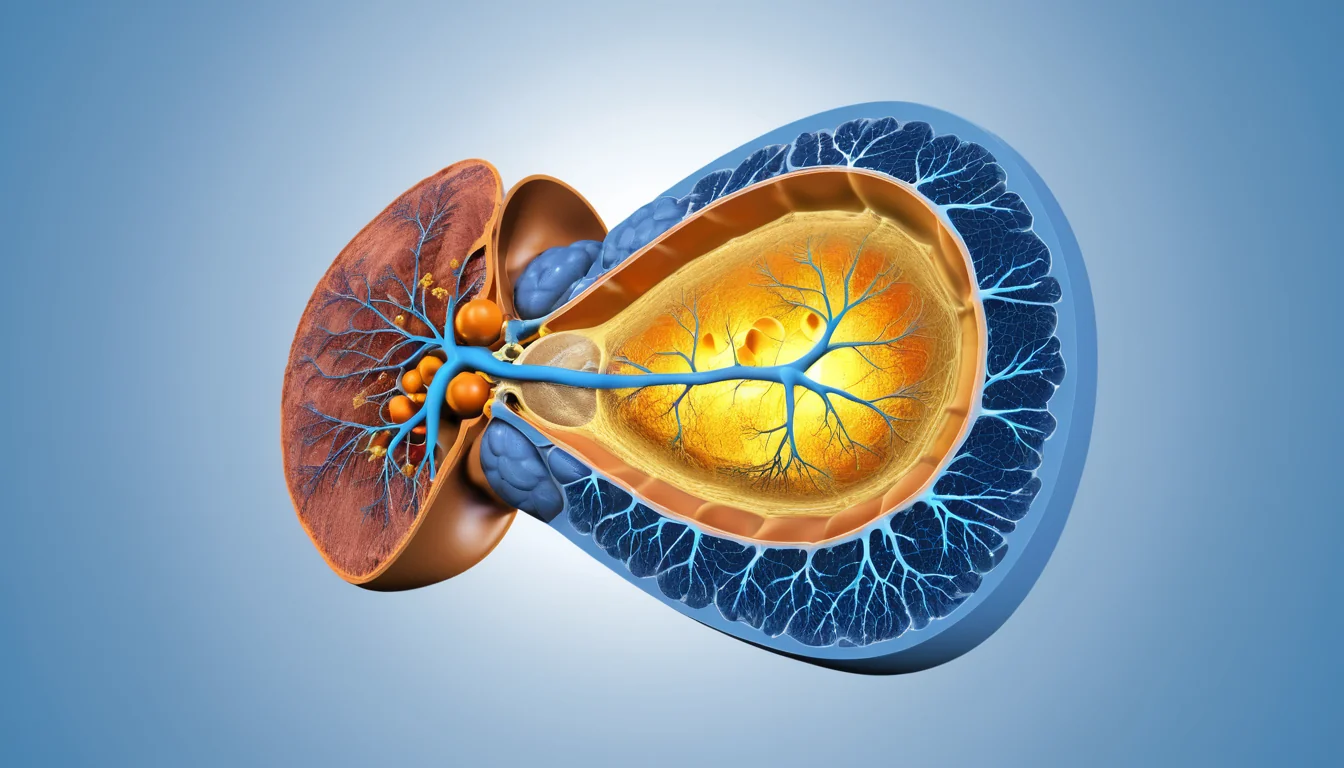
A blood ammonia test measures the amount of ammonia circulating in your bloodstream, helping doctors identify serious liver and metabolic conditions. Ammonia is a waste product your body creates when it breaks down protein. Normally, your liver converts it into urea, a safer substance that leaves your body through urine. When ammonia builds up to dangerous levels, however, it can cause significant harm to your brain and nervous system.
Understanding Your Blood Ammonia Test Results in Canada
Canadian doctors frequently order this test when patients show unexplained confusion, disorientation, or other neurological symptoms that may point to liver disease. Understanding your ammonia levels in blood is an important step toward getting the right diagnosis and treatment. This guide explains what the test involves, what your results mean, and when you should seek medical attention.
What Is a Blood Ammonia Test?
| Ammonia Level (μmol/L) | Classification | Common Symptoms | Recommended Action |
|---|---|---|---|
| 9–33 μmol/L (Adults) | Normal Range | No symptoms; normal cognitive and neurological function | No action required; routine monitoring if underlying liver disease is present |
| 34–59 μmol/L | Mildly Elevated | Mild fatigue, slight confusion, difficulty concentrating, mood changes | Consult a physician; dietary protein review and repeat blood ammonia test within days |
| 60–100 μmol/L | Moderately Elevated | Significant confusion, disorientation, tremors (asterixis), disturbed sleep patterns | Prompt medical evaluation; possible initiation of lactulose or rifaximin therapy |
| 101–200 μmol/L | Severely Elevated | Marked encephalopathy, extreme drowsiness, incoherence, personality changes | Urgent hospital assessment; IV fluid support, medication management, specialist referral |
| Greater than 200 μmol/L | Critical / Life-Threatening | Seizures, loss of consciousness, coma, risk of brain herniation | Immediate emergency care (call 911); ICU admission likely required |
A blood ammonia test is a simple lab test that checks the amount of ammonia in your plasma — the liquid part of your blood. Doctors use it to investigate problems with the liver or certain metabolic conditions. It is especially useful when a patient shows signs of confusion, disorientation, or other neurological symptoms that may point to liver disease.
Ammonia is produced mainly during the breakdown of amino acids, the building blocks of protein. Under normal circumstances, the liver clears ammonia from the blood very efficiently. Therefore, when ammonia levels rise, it often signals that the liver is not working as it should.
For more background on how your liver processes waste, visit Mayo Clinic’s overview of liver disease.
Why Would a Doctor Order This Test?
Your family doctor or a specialist may order a blood ammonia test for several reasons. The most common is to evaluate a patient with advanced liver disease. It also helps diagnose or monitor a condition called hepatic encephalopathy — a decline in brain function caused by high ammonia levels.
Conditions This Test Helps Evaluate
Doctors use this test to assess a range of serious health conditions. These include:
- Hepatic encephalopathy — brain dysfunction linked to liver failure
- End-stage liver cirrhosis — severe scarring of the liver
- Liver failure — when the liver can no longer perform its basic functions
- Acute and subacute liver necrosis — rapid death of liver tissue
- Reye’s syndrome — a rare but serious condition that causes brain and liver damage, mostly seen in children
In addition, doctors may use a blood ammonia test to check newborns who show signs of metabolic disorders. High ammonia levels in newborns can point to serious inherited conditions that need immediate treatment.
High Ammonia Levels: What Causes Hyperammonemia?
The medical term for high ammonia levels in the blood is hyperammonemia. This condition has several possible causes, depending on the patient’s age and health history. In adults, the most common cause is liver disease. However, diet can also play a role — people who eat very high amounts of protein may show elevated ammonia levels.
Causes in Adults
In adults, hyperammonemia is most often linked to:
- Cirrhosis or chronic liver disease
- Acute liver failure
- Certain medications or toxins that stress the liver
- A high-protein diet in people with compromised liver function
- Gastrointestinal bleeding, which increases protein breakdown in the gut
As a result of any of these issues, the liver loses its ability to convert ammonia into urea. Ammonia then builds up in the bloodstream and eventually reaches the brain.
Causes in Newborns and Infants
In newborns, the causes of hyperammonemia are often very different. They are usually related to inherited genetic conditions. The main causes include:
- Urea cycle defects — congenital problems with the cycle that converts ammonia to urea
- Organic acidemias — inherited disorders that disrupt normal metabolism
- Congenital dysfunction of dibasic amino acid transport — specifically affecting lysine and ornithine transport
These conditions require prompt diagnosis and treatment. If your newborn shows unusual symptoms such as poor feeding, vomiting, or extreme sleepiness, speak with your doctor right away. In Canada, many of these conditions are screened at birth through provincial newborn screening programmes. For detailed information, you can visit Health Canada’s health resources page.
Understanding Your Blood Ammonia Test Results
Normal ammonia levels vary slightly depending on the lab and the method used. However, in general, elevated levels suggest the liver is struggling to process ammonia properly. Your doctor will interpret your results in the context of your full health picture — not just one number in isolation.
For the blood ammonia test, labs typically use a photometric method. This is a standard, reliable technique that measures the concentration of ammonia in your blood sample based on how it reacts to light. Results are usually available within a few hours to a day.
Factors That Can Affect Your Results
Several factors can interfere with blood ammonia test accuracy. It is important to be aware of these before your test. Common factors include:
- Eating a high-protein meal shortly before the test
- Smoking before sample collection
- Vigorous physical activity before the test
- Delays in processing the blood sample
- Certain medications, including some diuretics and antibiotics
- Muscle breakdown from injury or intense exercise
Furthermore, the sample must be handled and transported to the lab quickly. Ammonia levels can rise in a blood sample if it sits too long before analysis. Your healthcare provider will give you specific instructions on how to prepare.
How to Prepare for a Blood Ammonia Test
Preparation for the blood ammonia test varies from person to person. Your doctor will give you tailored instructions based on your medical history and current medications. It is essential to follow these instructions carefully to ensure accurate results.
In general, you may be asked to:
- Avoid eating a high-protein meal for several hours before the test
- Refrain from smoking before the blood draw
- Avoid strenuous exercise on the day of the test
- Inform your doctor of all medications and supplements you are taking
The test itself is straightforward. A healthcare provider draws a small amount of blood from a vein in your arm. The sample is then sent to a lab for analysis using a photometric method. The process takes only a few minutes and is no different from a routine blood draw.
When to See a Doctor
You should speak with your family doctor if you or someone you care for has symptoms that could suggest high ammonia levels. These symptoms can appear gradually or come on quickly. They include confusion, memory problems, unusual sleepiness, slurred speech, disorientation, or loss of consciousness.
If symptoms are severe — such as extreme confusion or unresponsiveness — go to your nearest emergency department immediately. Do not wait for a walk-in clinic appointment in these cases. Time matters when ammonia levels are dangerously high.
For less urgent concerns, your family doctor is the best starting point. They can order a blood ammonia test and refer you to a specialist if needed. If you do not have a family doctor, a walk-in clinic can assess your symptoms and arrange appropriate testing. Across Canada, provincial health plans generally cover this type of diagnostic blood test when ordered by a physician.
As always, this information is for general educational purposes only. Please consult your doctor or a qualified healthcare professional before making any decisions about your health or treatment. Healthline’s guide to ammonia blood tests also offers helpful background information.
Frequently Asked Questions About the Blood Ammonia Test
What does a blood ammonia test measure?
A blood ammonia test measures the amount of ammonia in your bloodstream. Ammonia is a waste product from protein breakdown, and your liver normally converts it into urea so it can leave your body safely. High levels can signal liver disease or a metabolic disorder.
What are the symptoms of high ammonia levels in the blood?
High ammonia levels can cause symptoms such as confusion, disorientation, extreme tiredness, slurred speech, and in severe cases, loss of consciousness. These symptoms often appear in conditions like hepatic encephalopathy, where the liver can no longer clear ammonia effectively. If you notice these signs, seek medical attention promptly.
Do I need to fast before a blood ammonia test?
Your doctor will give you specific preparation instructions based on your health history. In many cases, you may be asked to avoid high-protein foods and smoking before your blood ammonia test. Always follow the guidance of your healthcare provider to ensure accurate results.
What conditions can cause high ammonia levels?
High ammonia levels are most commonly caused by liver diseases such as cirrhosis or liver failure. In newborns, inherited conditions like urea cycle defects or organic acidemias are frequent causes of hyperammonemia. A blood ammonia test helps doctors identify the underlying cause so treatment can begin.
Is a blood ammonia test covered by provincial health plans in Canada?
In most Canadian provinces, a blood ammonia test ordered by a licensed physician is covered under the provincial health plan. However, coverage details can vary by province and by the reason for the test. Check with your provincial health authority or family doctor for the most accurate information in your area.
Can diet affect blood ammonia levels?
According to Mayo Clinic’s overview of liver disease, this information is supported by current medical research.
For more information, read our guide on ALT blood test for liver function.
Yes, a diet very high in protein can raise blood ammonia levels, particularly in people with liver problems. When the liver is weakened, it cannot efficiently convert the extra ammonia produced from protein breakdown. Your doctor may recommend dietary changes alongside medical treatment to help manage your ammonia levels.
Key Takeaways
- A blood ammonia test measures ammonia in your blood, helping doctors evaluate liver function and metabolic health.
- High ammonia levels — called hyperammonemia — can damage the brain and nervous system if left untreated.
- Common causes in adults include liver cirrhosis, liver failure, and high-protein diets in people with liver conditions.
- In newborns, genetic conditions such as urea cycle defects are the most frequent cause of high ammonia levels.
- The test uses a photometric method and requires careful sample handling for accurate results.
- Preparation varies by patient — always follow your doctor’s specific instructions before the test.
- If you have symptoms of high ammonia levels, contact your family doctor, visit a walk-in clinic, or go to an emergency department for serious symptoms.
- In most Canadian provinces, this test is covered by your provincial health plan when ordered by a physician.
- Always speak with a qualified healthcare professional about your test results and what they mean for your health.
Frequently Asked Questions
What is a blood ammonia test?
A blood ammonia test measures the level of ammonia in your bloodstream. Ammonia is a waste product created when the body breaks down protein. The liver normally converts ammonia into urea, which is expelled through urine. Elevated levels can indicate serious liver or metabolic conditions requiring prompt medical attention.
What are the symptoms of high ammonia levels in the blood?
Symptoms of high blood ammonia levels include confusion, disorientation, extreme fatigue, hand tremors, slurred speech, and in severe cases, loss of consciousness or coma. These neurological symptoms are collectively called hepatic encephalopathy and indicate the brain is being affected by toxic ammonia buildup.
When should you get a blood ammonia test in Canada?
Canadian doctors typically order a blood ammonia test if you show signs of liver disease, hepatic encephalopathy, or unexplained confusion. It is also ordered for patients with cirrhosis, suspected Reye’s syndrome in children, or inherited urea cycle disorders. Seek immediate care if confusion or disorientation develops suddenly.
How is high ammonia in the blood treated?
Treatment depends on the underlying cause but commonly includes dietary protein restriction, lactulose to reduce ammonia absorption in the gut, and antibiotics like rifaximin. Addressing liver disease directly is essential. In severe cases, hospitalization and intravenous treatment may be required to prevent life-threatening neurological complications.
Can diet help prevent high blood ammonia levels?
Yes, dietary changes can help manage ammonia levels. Reducing excessive protein intake, staying well-hydrated, eating smaller frequent meals, and avoiding alcohol are key strategies. Patients with liver disease should work with a registered dietitian to balance adequate nutrition while minimizing ammonia production and supporting overall liver function.

About the Author
Dr. Michael Ross, MD, FRCSCDr. Michael Ross is a fellowship-trained orthopedic surgeon at the University of Alberta Hospital, specializing in joint replacement and sports medicine. A Fellow of the Royal College of Surgeons of Canada (FRCSC), he has over 18 years of surgical experience and has authored multiple textbook chapters on musculoskeletal health. Dr. Ross is passionate about patient education and evidence-based medicine.
View all articles →