
Plasma Aldosterone Test: Results, Prep & Costs Canada

Share
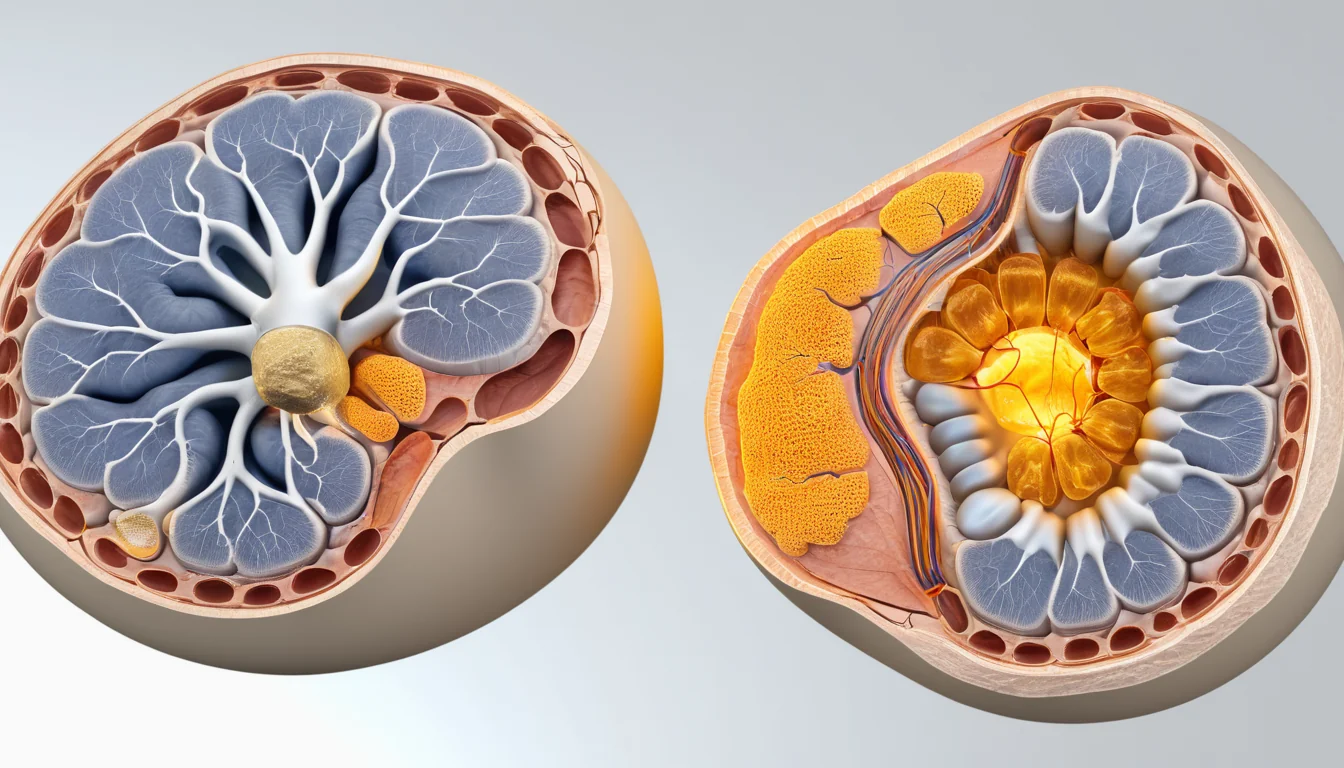
A plasma aldosterone test is a simple blood test that measures the level of aldosterone circulating in your body. Aldosterone is a hormone produced by your adrenal glands—small organs that sit on top of each kidney—and it plays a critical role in regulating blood pressure, sodium, and potassium balance. For Canadians experiencing unexplained high blood pressure, fatigue, or muscle weakness, understanding this test can be the first step toward a proper diagnosis.
Understanding Your Plasma Aldosterone Test Results in Canada
Your family doctor may order an aldosterone blood test in Canada to investigate conditions such as primary aldosteronism (Conn syndrome) or adrenal insufficiency. Because aldosterone and blood pressure are closely linked, catching abnormal hormone levels early can help guide effective treatment and prevent long-term complications like heart disease or kidney damage. This guide explains what the test involves, how to prepare, what your results mean, and when to seek medical advice.
What Is a Plasma Aldosterone Test?
| Condition | Aldosterone Level | Key Characteristics | Management Approach |
|---|---|---|---|
| Primary Hyperaldosteronism (Conn’s Syndrome) | High (typically >550 pmol/L) | Resistant hypertension, low potassium, adrenal gland overproduction; one of the most common causes of secondary hypertension in Canada | Surgery (adrenalectomy) for adrenal adenoma; mineralocorticoid receptor antagonists (e.g., spironolactone) for bilateral hyperplasia |
| Secondary Hyperaldosteronism | High (varies widely) | Driven by external factors such as renal artery stenosis, heart failure, or cirrhosis; renin levels are also elevated | Treat the underlying cause; ACE inhibitors or ARBs may be used; dietary sodium restriction |
| Primary Adrenal Insufficiency (Addison’s Disease) | Low (<140 pmol/L) | Fatigue, salt cravings, low blood pressure, high potassium; adrenal glands produce insufficient hormones | Lifelong fludrocortisone and hydrocortisone replacement therapy; regular endocrinology follow-up |
| Pseudohypoaldosteronism | High (compensatory) | Body does not respond to aldosterone despite elevated levels; presents with high potassium and salt wasting | High sodium diet supplementation; type 1 may improve with age; type 2 managed with thiazide diuretics |
| Normal Aldosterone Range | 140–540 pmol/L (seated) | Values vary by posture, sodium intake, time of day, and medications; Canadian labs may use slightly different reference ranges | No treatment required; routine monitoring if borderline; lifestyle factors such as sodium intake should be reviewed |
The plasma aldosterone test checks the level of aldosterone circulating in your bloodstream. Aldosterone is produced by the adrenal glands, which sit on top of each kidney. These small but important glands make several hormones that keep your body running properly.
Aldosterone plays a key role in controlling blood pressure. It does this by regulating how much sodium and potassium your body holds onto. When aldosterone levels are too high or too low, your blood pressure and fluid balance can be thrown off. Learn more about aldosterone and adrenal disorders at Mayo Clinic.
How Do the Adrenal Glands Work?
Your adrenal glands sit just above your kidneys. They are part of your endocrine system, which is the network of glands that produce hormones. These hormones act as chemical messengers throughout your body.
The outer layer of the adrenal gland, called the cortex, produces aldosterone. It also makes cortisol and other important hormones. When the cortex produces too much or too little aldosterone, it can cause serious health problems. Therefore, testing aldosterone levels gives your doctor valuable information about how well your adrenal glands are working.
The Role of Aldosterone in Your Body
Aldosterone tells your kidneys how much sodium to keep and how much potassium to release. Sodium helps your body hold water. As a result, high aldosterone levels can raise your blood pressure by causing your body to retain too much fluid.
Low aldosterone levels can cause the opposite problem. Your body may lose too much sodium and hold onto too much potassium. This imbalance can lead to low blood pressure, dizziness, and fatigue. In addition, it can affect your heart rhythm in serious cases.
Why Would a Doctor Order a Plasma Aldosterone Test?
Your family doctor or a specialist may order a plasma aldosterone test if you have signs of a fluid or electrolyte imbalance. Electrolytes are minerals in your blood, like sodium and potassium, that carry electrical signals. When they are out of balance, many body systems can be affected.
Common reasons for ordering this test include unexplained high blood pressure, especially when it does not respond well to standard medication. Your doctor may also order it if you have low potassium levels with no clear cause. Furthermore, symptoms like muscle cramps, weakness, or frequent urination can prompt this test.
Conditions Linked to Abnormal Aldosterone Levels
Several medical conditions can cause aldosterone levels to rise or fall. These include:
- Primary hyperaldosteronism – the adrenal glands produce too much aldosterone on their own
- Heart failure – reduced blood flow triggers the body to release more aldosterone
- Kidney disease or kidney failure – the kidneys signal the adrenal glands to produce more aldosterone
- Diabetes – especially when kidney function is affected
- Adrenal insufficiency – the adrenal glands do not produce enough hormones, including aldosterone
- Dehydration – low fluid levels can temporarily raise aldosterone
However, your doctor will look at your full health picture before drawing any conclusions from a single test result. Read Healthline’s overview of aldosterone and its effects on the body.
How to Prepare for a Plasma Aldosterone Test
In most cases, no special preparation is required before a plasma aldosterone test. You can eat and drink normally before the blood draw. However, there are a few important things to keep in mind.
Tell your doctor about all medications you are currently taking. Some medicines can affect aldosterone levels and may change your results. For example, blood pressure medications, diuretics (water pills), and certain hormonal medications are known to interfere with this test.
Medications That Can Affect Your Results
Several common medications can raise or lower aldosterone levels in your blood. These include:
- Diuretics (water pills), such as spironolactone or furosemide
- ACE inhibitors and ARBs used for blood pressure
- Non-steroidal anti-inflammatory drugs (NSAIDs), like ibuprofen
- Oral contraceptives
- Corticosteroids
Your doctor may ask you to stop taking certain medications before the test. Do not stop any medication without talking to your doctor first. In addition, your body position at the time of the blood draw can affect results. Some labs ask you to lie down or stand for a set period before testing.
How Is the Test Performed?
The plasma aldosterone test is a simple blood test. A healthcare provider will draw a small sample of blood from a vein in your arm. The procedure takes only a few minutes and causes minimal discomfort.
In Canada, this test is available through most hospital labs and some private diagnostic centres. Your family doctor or specialist will send you a requisition form. You then visit a lab at your local hospital or a community collection site.
The Testing Method Used in Labs
Most modern Canadian labs use a method called liquid chromatography-tandem mass spectrometry, or LC-MS/MS. This is a highly accurate technique that measures the exact amount of aldosterone in your blood sample. It is considered the gold standard for hormone testing because it produces very precise results.
This method is preferred over older testing techniques because it reduces the chance of false readings. Therefore, you can feel confident that your results are reliable. Your doctor will interpret your results alongside other tests and your overall health history.
Understanding Your Plasma Aldosterone Test Results
Normal aldosterone levels vary depending on several factors. These include your age, body position during the blood draw, time of day, salt intake, and whether you are pregnant. Your lab report will include a reference range that shows what is considered normal for your specific situation.
High aldosterone levels may suggest that your adrenal glands are overactive. This condition is called hyperaldosteronism. It is a treatable cause of high blood pressure that is more common than many people realize. Low aldosterone levels may point to adrenal insufficiency, also known as Addison’s disease.
What Happens After Abnormal Results?
If your results are outside the normal range, your doctor will likely order additional tests. For example, your doctor may order a renin test at the same time, since aldosterone and renin work together. The ratio between these two hormones helps doctors pinpoint the cause of the imbalance.
Further testing might include imaging of the adrenal glands or a referral to an endocrinologist. An endocrinologist is a doctor who specializes in hormone disorders. Most provincial health plans in Canada cover the cost of this blood test when it is medically necessary. Check with your provincial health authority for details about your coverage. Visit Health Canada for information about healthcare coverage across provinces.
When to See a Doctor
You should speak with your family doctor if you have ongoing high blood pressure that is hard to control. Similarly, see a doctor if you notice muscle weakness, cramps, frequent urination, or unexplained fatigue. These can all be signs of an electrolyte imbalance that a plasma aldosterone test can help identify.
If you do not have a family doctor, a walk-in clinic can be a good starting point. Walk-in clinic doctors can order basic blood tests and refer you to a specialist if needed. Do not ignore symptoms that keep coming back, even if they seem minor.
As always, speak with a qualified healthcare provider before drawing any conclusions about your symptoms or test results. Only your doctor can properly interpret a plasma aldosterone test in the context of your full medical history.
Frequently Asked Questions About the Plasma Aldosterone Test
What does a plasma aldosterone test measure?
A plasma aldosterone test measures the level of aldosterone hormone in your blood. Aldosterone is made by the adrenal glands and helps control blood pressure by regulating sodium and potassium. Your doctor uses this result to check for adrenal gland disorders or causes of high blood pressure.
Do I need to fast before an aldosterone blood test?
In most cases, fasting is not required before a plasma aldosterone test. However, your doctor may give you specific instructions based on your medications and health history. Always follow the directions provided by your doctor or the lab.
What causes high aldosterone levels?
High aldosterone levels are often caused by a condition called primary hyperaldosteronism, where the adrenal glands produce too much of the hormone. Other causes include heart failure, kidney disease, and dehydration. A plasma aldosterone test combined with a renin test helps doctors find the root cause.
Can medications affect my aldosterone test results?
Yes, several common medications can raise or lower aldosterone levels and affect your plasma aldosterone test results. These include diuretics, blood pressure medications, NSAIDs, and oral contraceptives. Tell your doctor about all medications and supplements you take before the test.
Is the aldosterone test covered by provincial health plans in Canada?
In most Canadian provinces, the plasma aldosterone test is covered by provincial health plans when ordered by a doctor for a medically necessary reason. Coverage details vary by province, so it is best to check with your provincial health authority or ask your doctor. Private lab fees may apply in some situations.
What is the difference between aldosterone and renin?
According to Mayo Clinic’s guide to primary aldosteronism and high aldosterone levels, this information is supported by current medical research.
For more information, read our guide on symptoms like dizziness and vertigo caused by vestibular conditions.
Aldosterone is a hormone made by the adrenal glands, while renin is an enzyme released by the kidneys. They work together to control blood pressure and fluid balance in your body. Doctors often order a plasma aldosterone test alongside a renin test to better understand what is causing a hormonal imbalance.
Key Takeaways
- A plasma aldosterone test measures the level of the hormone aldosterone in your blood.
- Aldosterone is produced by the adrenal glands and controls blood pressure by regulating sodium and potassium.
- Your doctor may order this test if you have high blood pressure, low potassium, or symptoms of an adrenal disorder.
- No special preparation is usually needed, but you must tell your doctor about all medications you take.
- Labs in Canada use a highly accurate method called LC-MS/MS to measure aldosterone levels.
- Abnormal results may lead to further testing, including a renin test or adrenal imaging.
- Speak with your family doctor or visit a walk-in clinic if you have concerns about your blood pressure or hormone health.
- Always consult a qualified healthcare provider to interpret your test results properly.
Frequently Asked Questions
What is a plasma aldosterone test?
A plasma aldosterone test measures the level of aldosterone, a hormone produced by your adrenal glands, in your blood. It helps diagnose conditions like primary hyperaldosteronism, adrenal insufficiency, and high blood pressure with unknown causes. In Canada, it is typically ordered by a physician alongside a renin test for accurate interpretation.
What are the symptoms that indicate you need a plasma aldosterone test?
Common symptoms that may prompt a plasma aldosterone test include persistent high blood pressure, unexplained low potassium levels (hypokalemia), muscle weakness, frequent urination, and excessive thirst. Canadians experiencing these symptoms, especially with difficult-to-control hypertension, should speak with their family doctor about testing.
How is high aldosterone treated in Canada?
Treatment depends on the underlying cause. An adrenal gland tumour (adenoma) is often treated surgically. When both adrenal glands are overactive, doctors typically prescribe medications like spironolactone or eplerenone. Canadian patients are usually managed by an endocrinologist, with treatment aimed at normalizing blood pressure and potassium levels.
Can you prevent abnormal aldosterone levels?
Primary aldosterone disorders are generally not preventable, as they are often caused by adrenal tumours or genetic factors. However, maintaining a low-sodium diet, healthy weight, and regular blood pressure monitoring can help manage risk factors. Early detection through routine checkups significantly improves outcomes for Canadians with hormonal imbalances.
When should you see a doctor about getting a plasma aldosterone test?
See your doctor if you have high blood pressure that does not respond to standard medications, low potassium without clear cause, or symptoms like chronic fatigue and muscle cramps. Canadians with a family history of adrenal disorders or early-onset hypertension should specifically ask their physician whether a plasma aldosterone test is appropriate.

About the Author
Dr. Sarah Mitchell, MDDr. Sarah Mitchell is a board-certified family physician with over 15 years of clinical experience. She completed her MD at the University of Toronto and her residency at Toronto General Hospital. Dr. Mitchell specializes in preventive medicine and chronic disease management. She is a member of the College of Family Physicians of Canada (CFPC) and has published over 30 peer-reviewed articles on preventive health care.
View all articles →