
Molar Pregnancy: Symptoms, Risks & Treatment Canada

Share
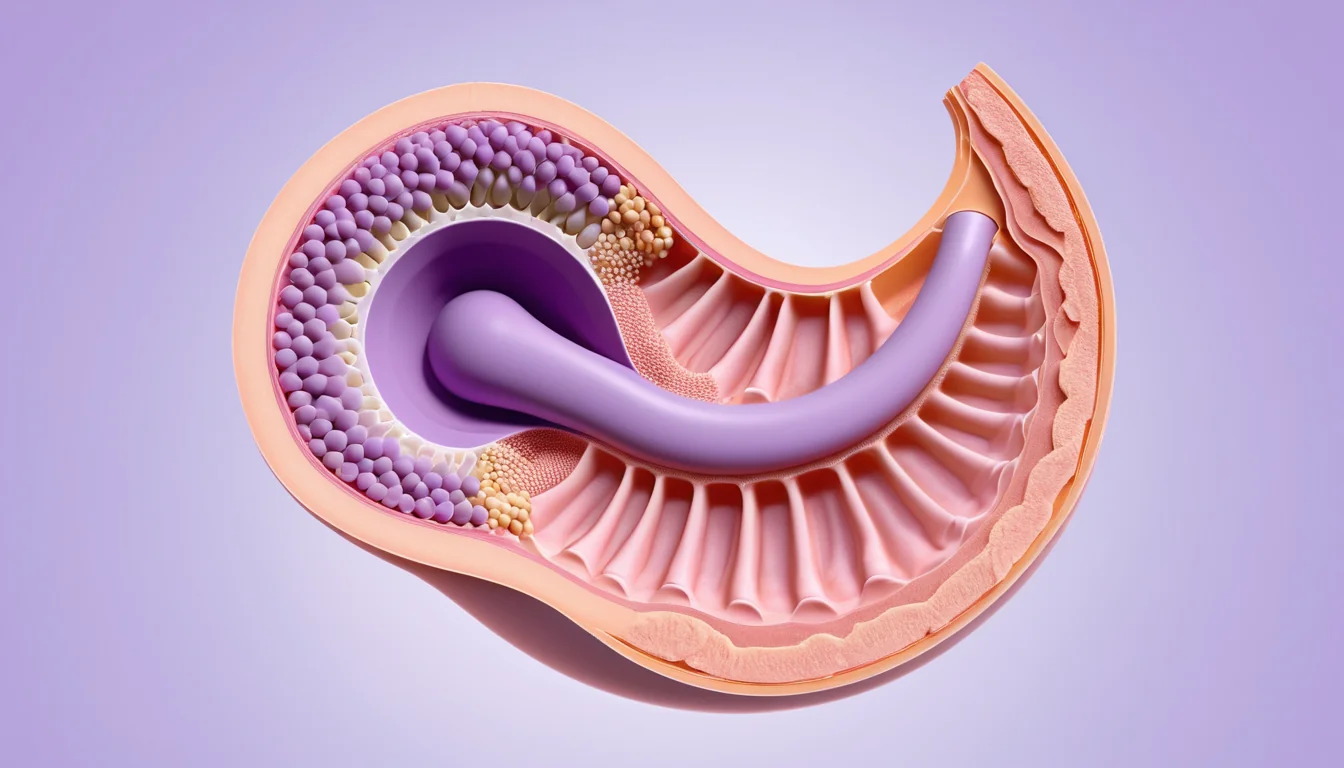
A molar pregnancy is a rare but serious pregnancy complication that affects roughly 1 in every 1,000 pregnancies in Canada. It occurs when a genetic error during fertilisation causes abnormal tissue — known as a hydatidiform mole — to grow inside the uterus instead of a healthy embryo. Recognizing the warning signs early is essential for protecting your health.
What Is a Molar Pregnancy and Why Does It Happen?
Understanding molar pregnancy symptoms can help Canadian women seek timely medical care and avoid potentially dangerous complications such as gestational trophoblastic disease. In this guide, we break down the causes, diagnosis, risks and treatment options available across Canada so you can make informed decisions about your care.
What Is a Molar Pregnancy?
| Type | Characteristics | Cancer Risk | Management |
|---|---|---|---|
| Complete Molar Pregnancy | No fetal tissue present; all placental tissue is abnormal; uterus may be larger than expected for gestational age; two sperm fertilize an empty egg | 15–20% risk of developing into gestational trophoblastic neoplasia (GTN) | Uterine evacuation (suction curettage); hCG monitoring for 6–12 months; contraception advised during follow-up |
| Partial Molar Pregnancy | Some fetal or embryonic tissue present alongside abnormal placental tissue; typically results from two sperm fertilizing one egg (triploid) | 1–5% risk of developing into GTN; generally lower risk than complete mole | Uterine evacuation; hCG monitoring for 3–6 months; contraception advised during follow-up period |
| Invasive Mole (GTN) | Molar tissue invades the muscular wall of the uterus; may spread to nearby tissues; occurs after incomplete treatment of a molar pregnancy | High; considered a form of gestational trophoblastic neoplasia requiring immediate treatment | Chemotherapy (methotrexate or actinomycin D); hysterectomy in select cases; managed at specialized Canadian cancer centres |
| Choriocarcinoma | Rare malignant form; can follow any type of pregnancy including molar pregnancy, miscarriage, or term delivery; spreads rapidly via bloodstream | Very high; aggressive malignancy but highly responsive to chemotherapy | Multi-agent chemotherapy (EMA-CO regimen); close monitoring at a gynecologic oncology centre; fertility preservation often possible |
| Placental Site Trophoblastic Tumour (PSTT) | Very rare; arises from placental implantation site; slower growing; less responsive to chemotherapy than other GTN types | Moderate to high; recurrence risk increases with time since prior pregnancy | Hysterectomy is primary treatment; chemotherapy reserved for metastatic disease; long-term follow-up required |
A molar pregnancy is a type of gestational trophoblastic disease (GTD). GTD is a group of conditions where abnormal cells grow inside the uterus after fertilisation. In most cases, there is no viable embryo — meaning no baby develops.
The abnormal tissue forms clusters of fluid-filled sacs called a hydatidiform mole. There can be hundreds of these tiny sacs filling the uterus. For this reason, a molar pregnancy cannot result in a live birth in the vast majority of cases.
According to the Mayo Clinic, molar pregnancies are the result of genetic errors that occur at the moment of fertilisation.
Complete Molar Pregnancy
In a complete molar pregnancy, no embryo forms at all. The egg loses its genetic material, so only the sperm’s chromosomes are present. The sperm then duplicates itself, creating a mass of abnormal placental tissue.
The uterus fills with abnormal tissue and fluid-filled sacs. There is no placenta, no amniotic sac, and no baby. The uterus often appears larger than expected for the stage of pregnancy.
Partial Molar Pregnancy
A partial molar pregnancy occurs when two sperm fertilise the same egg. Instead of twins, the result is mostly abnormal molar tissue with some embryonic material. Any embryo that forms will have severe genetic defects and cannot survive.
In very rare cases, a partial molar pregnancy may appear to carry twins. However, the outcome is almost always the same — neither pregnancy survives. The abnormal cells typically overwhelm any normal development.
Common Symptoms of Molar Pregnancy
A molar pregnancy can feel like a normal pregnancy at first. Many of the early signs are similar, which makes it easy to miss in the first few weeks. However, certain symptoms should raise concern.
Common early symptoms that overlap with normal pregnancy include:
- Missed period
- Breast tenderness and swelling
- Fatigue
- Frequent urination
- Morning nausea
In addition to these typical pregnancy symptoms, a molar pregnancy may also cause more specific warning signs.
Warning Signs Specific to Molar Pregnancy
Some symptoms are more strongly linked to a molar pregnancy. These include:
- Vaginal bleeding — often dark brown or bright red, occurring in the first trimester
- Passing grape-like tissue — small fluid-filled sacs expelled vaginally; this is the most distinctive sign
- A uterus that is too large for the stage of pregnancy
- Severe nausea and vomiting — more intense than typical morning sickness
- Pelvic discomfort or pressure
Furthermore, some women develop signs of hyperthyroidism. These can include rapid heartbeat, unexplained weight loss, sweating, anxiety, and muscle weakness. This happens because molar tissue produces high levels of pregnancy hormone (hCG), which can affect the thyroid.
These symptoms can also appear in other conditions, such as miscarriage or multiple pregnancy. Therefore, it is important to get a proper diagnosis from a healthcare provider.
How Is Molar Pregnancy Diagnosed?
If your doctor suspects a molar pregnancy, they will carry out a few straightforward tests. These tests are usually done in a clinic or hospital setting and are covered under most provincial health plans.
The main diagnostic tools include:
- Blood test for beta-hCG — This measures the level of pregnancy hormone in your blood. In a molar pregnancy, levels are unusually high.
- Pelvic ultrasound — A transvaginal or abdominal ultrasound gives a clear picture of the uterus. It can show the characteristic “snowstorm” pattern of molar tissue.
- Full pelvic examination — Your doctor checks the size and condition of the uterus.
In some cases, a molar pregnancy is only discovered during a routine prenatal ultrasound. It may also be found when investigating a threatened miscarriage. Early detection leads to better outcomes, so regular prenatal care is important.
For more information on pregnancy monitoring, visit Health Canada’s pregnancy health resources.
Risks and Complications of Molar Pregnancy
A molar pregnancy carries several important health risks. It is one of the most common causes of first-trimester vaginal bleeding, alongside ectopic pregnancy and miscarriage. However, the risks go beyond bleeding alone.
Gestational Trophoblastic Disease After Treatment
In about 15 to 20 percent of cases, abnormal trophoblastic tissue continues to grow even after the molar pregnancy is removed. This is called persistent gestational trophoblastic disease. A small number of these cases can develop into a more serious condition.
Approximately 3 percent of molar pregnancies can progress to choriocarcinoma. This is an aggressive form of cancer that can spread quickly to the lungs and liver. However, when caught early, nearly 100 percent of women with this type of cancer can be successfully treated.
As a result, careful follow-up after a molar pregnancy is essential. Only about 30 percent of women need ongoing monitoring and treatment. These are usually women who continue to have heavy bleeding, pelvic pain, ovarian tenderness, or signs of spread to other organs.
Learn more about gestational trophoblastic disease from Healthline’s overview of GTD.
Other Complications to Know
Besides cancer risk, molar pregnancies can cause heavy vaginal bleeding, which may require urgent medical care. Ovarian cysts can also develop as a result of high hCG levels. In rare cases, molar tissue can spread to the brain, liver, or lungs.
Fortunately, most women recover fully with prompt treatment and monitoring. Future healthy pregnancies are possible for the majority of women who have had a molar pregnancy.
Treatment for Molar Pregnancy
Once a molar pregnancy is diagnosed, treatment must begin right away. The goal is to remove all abnormal tissue from the uterus safely. In Canada, this procedure is typically performed in a hospital and is covered under provincial health plans.
The most common treatment is a procedure called suction curettage (or dilation and curettage, D&C). The doctor removes the molar tissue from the uterus using gentle suction. General or local anaesthetic is used to keep you comfortable.
After the procedure, your doctor will check that all abnormal tissue has been removed. Regular blood tests to measure hCG levels will continue for 6 to 12 months. This monitoring helps confirm that no tissue remains and that no further treatment is needed.
Some women may require additional treatment if hCG levels stay high or rise again. This can include medication such as methotrexate or other chemotherapy drugs. The good news is that these treatments are highly effective for molar pregnancy complications.
When to See a Doctor
If you are pregnant and notice any unusual symptoms, do not wait. Contact your family doctor or visit a walk-in clinic as soon as possible. Early assessment leads to better outcomes for molar pregnancy.
Seek care right away if you experience:
- Vaginal bleeding during pregnancy
- Passing unusual tissue or grape-like material
- Severe or persistent nausea and vomiting
- A rapid or irregular heartbeat
- Sudden pelvic pain or pressure
If your family doctor is unavailable, a walk-in clinic can assess your symptoms and refer you for an ultrasound or blood work. In cases of heavy bleeding, go to your nearest emergency department immediately.
After treatment for a molar pregnancy, keep all follow-up appointments. Your doctor will guide you through the monitoring process. Most provincial health plans cover this follow-up care fully, so do not hesitate to reach out.
Always speak with your doctor or a qualified healthcare provider before making any decisions about your health or treatment.
Frequently Asked Questions About Molar Pregnancy
Can you have a normal pregnancy after a molar pregnancy?
Yes, most women can have a healthy pregnancy after a molar pregnancy. Doctors usually recommend waiting 6 to 12 months after treatment before trying to conceive again. This gives time to confirm that hCG levels have returned to normal and that no abnormal tissue remains.
How common is molar pregnancy in Canada?
A molar pregnancy affects approximately 1 in every 1,000 pregnancies in Canada. It is considered rare, but it is one of the more common causes of first-trimester complications. Women of any age can be affected, though risk may be slightly higher for those under 20 or over 35.
What does molar pregnancy bleeding look like?
Bleeding from a molar pregnancy can range from light spotting to heavier bleeding. The blood may be dark brown or bright red and can sometimes contain small grape-like clusters of tissue. Any vaginal bleeding during pregnancy should be assessed by a doctor promptly.
Is a molar pregnancy the same as a miscarriage?
A molar pregnancy is not the same as a miscarriage, though they share some similar symptoms. In a miscarriage, a pregnancy with a normal embryo ends early. In a molar pregnancy, abnormal tissue grows in the uterus instead of a healthy embryo, and ongoing medical monitoring is required after removal.
Does a molar pregnancy always turn into cancer?
No, a molar pregnancy does not always become cancer. Only about 15 to 20 percent of cases lead to persistent gestational trophoblastic disease, and a much smaller percentage progress to cancer. When caught early, treatment is highly effective and most women recover completely.
Will my provincial health plan cover molar pregnancy treatment?
According to Mayo Clinic’s overview of molar pregnancy causes and symptoms, this information is supported by current medical research.
For more information, read our guide on breast health symptoms women should never ignore.
Yes, treatment and follow-up care for a molar pregnancy is covered under most provincial and territorial health plans in Canada. This includes the removal procedure, blood tests, and monitoring visits. Check with your provincial health authority or family doctor for details specific to your province.
Key Takeaways
- A molar pregnancy is a rare complication where abnormal tissue grows in the uterus due to a genetic error at fertilisation.
- There are two types: complete molar pregnancy (no embryo) and partial molar pregnancy (severely abnormal embryo).
- Common symptoms include vaginal bleeding, severe nausea, and a uterus that is larger than expected.
- Diagnosis involves a blood test for hCG and a pelvic ultrasound.
- Treatment requires prompt removal of the molar tissue, followed by 6 to 12 months of monitoring.
- In rare cases, molar pregnancy can lead to gestational trophoblastic disease or cancer, but early treatment is nearly always curative.
- Most women go on to have healthy pregnancies after a molar pregnancy.
- If you have any concerns during pregnancy, contact your family doctor or visit a walk-in clinic right away.
Frequently Asked Questions
What is a molar pregnancy?
A molar pregnancy is an abnormal pregnancy where a non-viable fertilized egg develops into a mass of cysts instead of a healthy embryo. It occurs when genetic errors happen during fertilization. There are two types: complete molar pregnancy, where no fetal tissue forms, and partial molar pregnancy, where an abnormal embryo develops alongside abnormal tissue.
What are the symptoms of a molar pregnancy?
Common symptoms include dark brown or bright red vaginal bleeding in the first trimester, severe nausea and vomiting, a uterus larger than expected for gestational age, pelvic pressure or pain, and unusually high hCG hormone levels. Some women also develop early preeclampsia or thyroid overactivity. Many symptoms mimic normal early pregnancy.
How is a molar pregnancy treated in Canada?
Treatment involves surgically removing the abnormal tissue through a procedure called suction curettage (D&C), performed in a hospital under anesthesia. Following removal, doctors monitor hCG hormone levels through regular blood tests for 6 to 12 months. In rare cases where tissue remains or spreads, chemotherapy may be recommended.
Can a molar pregnancy be prevented?
There is no known way to prevent a molar pregnancy, as it results from random genetic errors during fertilization. However, women over 40 or those with a previous molar pregnancy face higher risk and should discuss this with their healthcare provider before conceiving. Early prenatal care and ultrasound monitoring aid prompt detection.
When should you see a doctor if you suspect a molar pregnancy?
Seek immediate medical attention if you experience vaginal bleeding, severe nausea, or pelvic pain during early pregnancy. In Canada, contact your family doctor, OB-GYN, or visit an emergency department promptly. Early diagnosis through ultrasound and hCG blood tests is critical to prevent serious complications, including rare cancerous progression called gestational trophoblastic neoplasia.

About the Author
Dr. Sarah Mitchell, MDDr. Sarah Mitchell is a board-certified family physician with over 15 years of clinical experience. She completed her MD at the University of Toronto and her residency at Toronto General Hospital. Dr. Mitchell specializes in preventive medicine and chronic disease management. She is a member of the College of Family Physicians of Canada (CFPC) and has published over 30 peer-reviewed articles on preventive health care.
View all articles →