Finding nitrites in urine on a routine test can feel alarming, but this result is one of the most valuable clues your doctor has when screening for a urinary tract infection (UTI). Whether your test was done at a family clinic, walk-in centre, or hospital in Canada, understanding what a positive nitrite result means can help you take the right next steps.
What Do Nitrites in Urine Mean for Your Health?
A urine dipstick test is the standard method used across Canadian healthcare settings to check for nitrites and other markers of infection. In this guide, we explain why nitrites appear in urine, what urinary tract infection symptoms to watch for, how the diagnosis process works in Canada, and what treatment options are available through your provincial health system.
What Are Nitrites in Urine?
Common Symptoms Associated with Nitrites in Urine and Related Urinary Tract Infections
| Symptom | Description | Severity |
|---|---|---|
| Burning or painful urination (dysuria) | A stinging or burning sensation during urination, often one of the earliest signs of a bacterial infection detected alongside nitrites in urine | Mild to Moderate |
| Frequent or urgent urination | A persistent urge to urinate even when the bladder is not full; may produce only small amounts of urine each time | Mild to Moderate |
| Cloudy or foul-smelling urine | Urine appears murky or has an unusually strong odour, often indicating the presence of bacteria and white blood cells | Mild |
| Pelvic or lower abdominal pain | Discomfort or pressure in the lower abdomen or pelvic region, more commonly reported in women with bladder infections | Mild to Moderate |
| Fever and chills | A temperature above 38°C accompanied by shaking chills; may indicate the infection has spread to the kidneys (pyelonephritis) | Severe |
| Flank or back pain | Pain in the sides or upper back below the ribs, suggesting possible kidney involvement requiring prompt medical attention in Canada’s healthcare system | Severe |
Nitrates and nitrites are naturally occurring compounds found in water and soil. Your body also produces small amounts of nitrates, and they pass through your kidneys into your urine every day. This is completely normal.
However, nitrites are a different story. Certain bacteria convert nitrates into nitrites inside your urinary tract. Therefore, when a urine test finds nitrites in urine, it is a strong sign that bacteria are present and a UTI may be developing.
A normal urine result shows no nitrites. A positive nitrite result does not always mean you have a full infection, but it does mean further investigation is needed. Your family doctor or walk-in clinic can help you take the next step.
How Is the Nitrites in Urine Test Done?
The test used to detect nitrites in urine is called a urine dipstick test. It is quick, painless, and does not require any special preparation beforehand.
What Is a Urine Dipstick Test?
A urine dipstick is a small plastic strip with chemical pads on it. You provide a urine sample in a sterile cup, and the strip is dipped into the sample. Each pad changes colour depending on what is present in the urine. Results are usually available within a few minutes.
This test is widely available at family doctor offices, walk-in clinics, and hospital labs across Canada. In many provinces, it is covered under your provincial health plan when ordered by a healthcare provider.
Do You Need to Prepare?
No special preparation is required before this test. However, it is a good idea to tell your doctor about any medications you are currently taking. Some medications can interfere with the results or change the colour of your urine, which can affect accuracy.
Common Symptoms of a Urinary Tract Infection
A positive result for nitrites in urine is often linked to a urinary tract infection. UTIs are very common in Canada, especially among women, older adults, and people with diabetes or weakened immune systems. Knowing the symptoms can help you act quickly.
According to Mayo Clinic’s overview of urinary tract infections, common signs include:
Dysuria: a burning or painful feeling when you urinate
Urgency: a sudden, strong need to urinate that is hard to control
Frequency: urinating often but passing only small amounts each time
Cloudy or foul-smelling urine: urine that looks murky or has an unusual odour
Pelvic discomfort: pressure or heaviness in the lower abdomen
Flank pain: aching or pain along the sides of your back, near the kidneys
Fever and chills: a sign the infection may have spread to the kidneys
Nausea and vomiting: which may also suggest a more serious kidney infection
Not everyone with a UTI will have all of these symptoms. In fact, some people, particularly older adults, may have very mild or no symptoms at all. This is why urine testing plays such an important role in diagnosis.
What Causes Nitrites to Appear in Urine?
The presence of nitrites in urine is almost always caused by a bacterial infection in the urinary tract. The most common bacteria responsible is Escherichia coli (E. coli), which naturally lives in the digestive system but can travel to the urinary tract.
Where Can a UTI Develop?
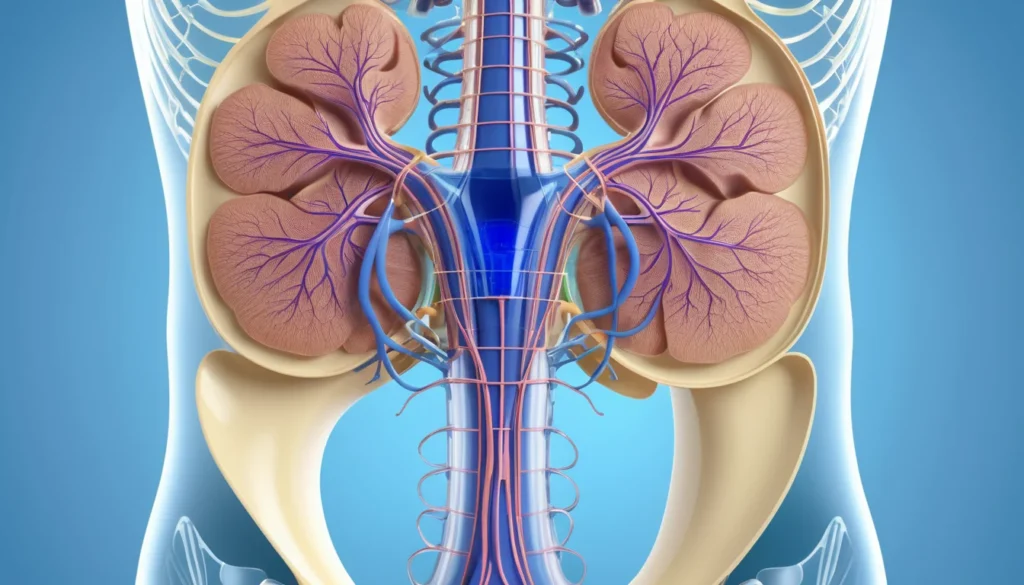
A urinary tract infection can affect different parts of the urinary system. The location matters because it determines how serious the infection is and how it is treated.
Bladder (cystitis): the most common type of UTI, causing pelvic discomfort and urinary symptoms
Urethra (urethritis): an infection of the tube that carries urine out of the body
Kidneys (pyelonephritis): a more serious infection that can cause fever, chills, and back pain
In addition, certain risk factors increase the chances of developing a UTI. These include being female, being sexually active, using a urinary catheter, having kidney stones, or going through menopause. Health Canada recommends speaking with your healthcare provider if you experience recurring infections.
Medications That Can Interfere with Urine Test Results
Several common medications can change the colour of your urine or interfere with the accuracy of a dipstick test. This does not mean the medications are harmful, but your doctor needs to know what you are taking. Always bring a full list of your medications to any medical appointment.
Medications known to affect urine colour or test results include:
Amitriptyline (an antidepressant)
Propofol (an anaesthetic used in hospitals)
Levodopa (used for Parkinson’s disease)
Nitrofurantoin (ironically, also used to treat UTIs)
Metronidazole (an antibiotic)
Rifampicin (an antibiotic for tuberculosis)
Chloroquine (used for malaria and some autoimmune conditions)
Vitamin B and Vitamin C supplements
Methylene blue (used in some medical procedures)
Senna (a laxative)
Metocarbamol (a muscle relaxant)
Cimetidine (used for heartburn and acid reflux)
Indomethacin (an anti-inflammatory medication)
Promethazine (used for nausea or allergies)
Thioridazine and chlorpromazine (antipsychotic medications)
Triamterene (a diuretic)
Primaquine (used for malaria)
Furthermore, if your test result seems unusual given your symptoms, your doctor may ask for a urine culture. This is a more detailed lab test that can identify the exact bacteria causing the infection.
Treatment for Urinary Tract Infections in Canada
The good news is that most UTIs respond well to treatment. When a urine test confirms nitrites in urine alongside other signs of infection, your doctor will usually recommend antibiotics. Most people recover fully at home without needing hospital care.
How Are UTIs Treated?
The type of antibiotic and the length of treatment depend on several factors. These include the location of the infection, your age, your sex, and any other health conditions you may have. A simple bladder infection in an otherwise healthy adult is typically treated with a short course of antibiotics lasting three to seven days.
However, a kidney infection may require a longer course of antibiotics, and in some cases, a short hospital stay. Your doctor will tailor the treatment plan to your specific situation.
What About Recurring UTIs?
Some people experience UTIs repeatedly. This is known as a recurrent UTI, and it can happen when an infection is not fully treated or when a new infection develops shortly after the first one clears. If you have had two or more UTIs in six months, speak with your family doctor about longer-term strategies, which may include low-dose preventive antibiotics or lifestyle changes.
According to Healthline’s guide to urinary tract infections, drinking plenty of water and urinating after sexual activity can help reduce the risk of recurrence.
When to See a Doctor
If you notice any symptoms of a UTI, do not wait. Early treatment prevents the infection from spreading to the kidneys, which is a more serious complication. In Canada, you have several convenient options for care.
You can book an appointment with your family doctor if you have one. If you cannot get an appointment quickly, a walk-in clinic is an excellent alternative and is typically covered under your provincial health plan. Most clinics can test your urine on the spot and prescribe antibiotics the same day if needed.
Seek emergency care immediately if you develop a high fever, severe back pain, repeated vomiting, or feel very unwell. These can be signs of a kidney infection that requires urgent treatment. Children, pregnant individuals, and older adults should also seek care sooner rather than later, as UTIs can progress more quickly in these groups.
Frequently Asked Questions
What does it mean if nitrites are found in urine?
Finding nitrites in urine usually means that bacteria are present in your urinary tract. Certain bacteria convert naturally occurring nitrates into nitrites, which the dipstick test can detect. This result is often a sign of a urinary tract infection and should be followed up with your doctor.
Can you have nitrites in urine without a UTI?
In some cases, a false positive result can occur due to certain medications or contaminated urine samples. However, nitrites in urine are rarely present without some form of bacterial activity. Your doctor may order a urine culture to confirm whether a true infection is present.
How do I prepare for a urine nitrite test?
No special preparation is required before a urine nitrite test. However, you should let your doctor know about any medications or supplements you are taking, as some can affect the colour of your urine and interfere with results. Try to provide a midstream urine sample, as this reduces the chance of contamination.
Are nitrites in urine dangerous?
On their own, nitrites in urine are not dangerous, but they signal that bacteria may be growing in your urinary tract. If left untreated, a UTI can spread to the kidneys and cause a more serious infection called pyelonephritis. Seeking prompt medical care means most UTIs are treated quickly and without complications.
What is the treatment for nitrites in urine?
Treatment depends on the underlying cause, but most cases of nitrites in urine linked to a UTI are treated with a course of antibiotics. Your family doctor or walk-in clinic can prescribe the appropriate antibiotic based on your symptoms, age, and health history. Most people recover fully within a few days of starting treatment.
Can I test for nitrites in urine at home?
According to Mayo Clinic’s overview of urinary tract infections, this information is supported by current medical research.
For more information, read our guide on urinary aldosterone test guide for Canadians.
Yes, over-the-counter urine dipstick test strips are available at many Canadian pharmacies. These strips can detect nitrites in urine and other markers at home. However, a positive result should always be confirmed by a healthcare provider, as home tests are not a substitute for professional diagnosis and treatment.
Key Takeaways
Nitrites in urine are detected through a simple, painless urine dipstick test available at clinics and labs across Canada.
A positive nitrite result usually suggests that bacteria are present and a urinary tract infection may be developing.
Common UTI symptoms include burning during urination, frequent urges to urinate, cloudy urine, and pelvic discomfort.
UTIs can affect the bladder, urethra, or kidneys, and treatment varies depending on the location and severity of the infection.
Most UTIs are treated with antibiotics at home, but kidney infections may need more intensive care.
Certain medications can interfere with urine test results, so always tell your doctor what you are taking.
If you suspect a UTI, see your family doctor or visit a walk-in clinic as soon as possible. Do not wait for symptoms to worsen.
As always, consult a qualified healthcare provider for any medical concerns. This article is for informational purposes only and does not replace professional medical advice.
Frequently Asked Questions
What do nitrites in urine mean on a test result?
Nitrites in urine indicate the presence of certain bacteria, most commonly E. coli, converting urinary nitrates into nitrites. This is a strong marker of a urinary tract infection (UTI). A positive nitrite result on a urine dipstick test typically requires confirmation with a urine culture to identify the specific bacteria and guide treatment.
What are the symptoms of nitrites in urine?
Common symptoms associated with nitrites in urine include a burning sensation during urination, frequent or urgent need to urinate, cloudy or foul-smelling urine, pelvic pain, and low-grade fever. Some people, particularly older adults, may have a positive nitrite result with no noticeable symptoms, known as asymptomatic bacteriuria.
How are nitrites in urine treated in Canada?
Treatment typically involves a short course of oral antibiotics prescribed by a doctor. Common choices in Canada include nitrofurantoin, trimethoprim-sulfamethoxazole, or fosfomycin, depending on the bacteria identified. Treatment duration is usually 3–7 days. Always complete the full prescription, even if symptoms improve, to prevent antibiotic resistance.
How can you prevent a positive nitrite urine test?
To help prevent UTIs and positive nitrite results, drink plenty of water daily, urinate after sexual intercourse, wipe front to back, avoid holding urine for long periods, and wear breathable cotton underwear. Women prone to recurrent UTIs should discuss preventive antibiotic strategies or cranberry supplementation with their Canadian healthcare provider.
When should you see a doctor for nitrites in urine?
See a doctor promptly if your urine test shows nitrites alongside symptoms like painful urination, fever, back or flank pain, nausea, or vomiting, as these may signal a kidney infection requiring urgent treatment. Pregnant women and immunocompromised individuals should seek medical attention immediately, even without symptoms, due to higher complication risks.