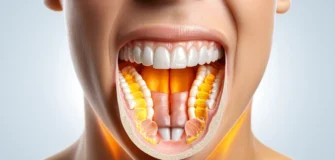
Pericoronitis Treatment: Symptoms, Causes & Care Canada

Share
Pericoronitis treatment is essential when the painful gum infection develops around a partially erupted wisdom tooth. This condition is one of the most common dental problems affecting young adults in Canada, typically between the ages of 17 and 24. If left untreated, pericoronitis can spread and lead to serious oral health complications that may require emergency care.
Pericoronitis Treatment Options for Canadians
Wisdom tooth infection symptoms often begin when the last molars fail to fully break through the gum surface, creating a tissue flap that traps bacteria and food debris. Because the area at the back of the mouth is difficult to clean, bacteria accumulate rapidly, causing inflammation, swelling, and sometimes a pus-filled pocket. Understanding these warning signs and knowing when to seek professional dental care in Canada can help you act quickly and protect your long-term oral health.
What Is Pericoronitis?
| Treatment Option | Description | Benefits | Considerations |
|---|---|---|---|
| Oral Irrigation & Debridement | Dentist cleans under the gum flap using saline or chlorhexidine solution to remove bacteria and food debris | Provides immediate relief; no medication required; suitable for mild cases | May need repeat visits; does not prevent recurrence if wisdom tooth is retained |
| Antibiotics | Prescription of antibiotics such as amoxicillin or metronidazole (500 mg, 3x daily for 5–7 days) to treat bacterial infection | Controls spreading infection; reduces swelling and systemic symptoms | Not a standalone cure; antibiotic resistance is a concern; requires follow-up care; consult your dentist or physician |
| Operculectomy | Surgical removal of the gum flap (operculum) overlying the partially erupted wisdom tooth | Eliminates the space where bacteria accumulate; preserves the tooth | Recurrence possible if the tooth does not fully erupt; performed by an oral surgeon or dentist |
| Wisdom Tooth Extraction | Removal of the affected wisdom tooth, typically performed by a dentist or oral surgeon | Permanently eliminates the source of infection; most effective long-term solution | Requires healing time (1–2 weeks); may involve referral to an oral surgeon; covered under some provincial dental plans |
| Pain Management at Home | Use of over-the-counter medications (e.g., ibuprofen or acetaminophen) and warm saltwater rinses to manage discomfort | Accessible and affordable; provides temporary symptom relief between dental visits | Does not treat the underlying infection; should not replace professional pericoronitis treatment |
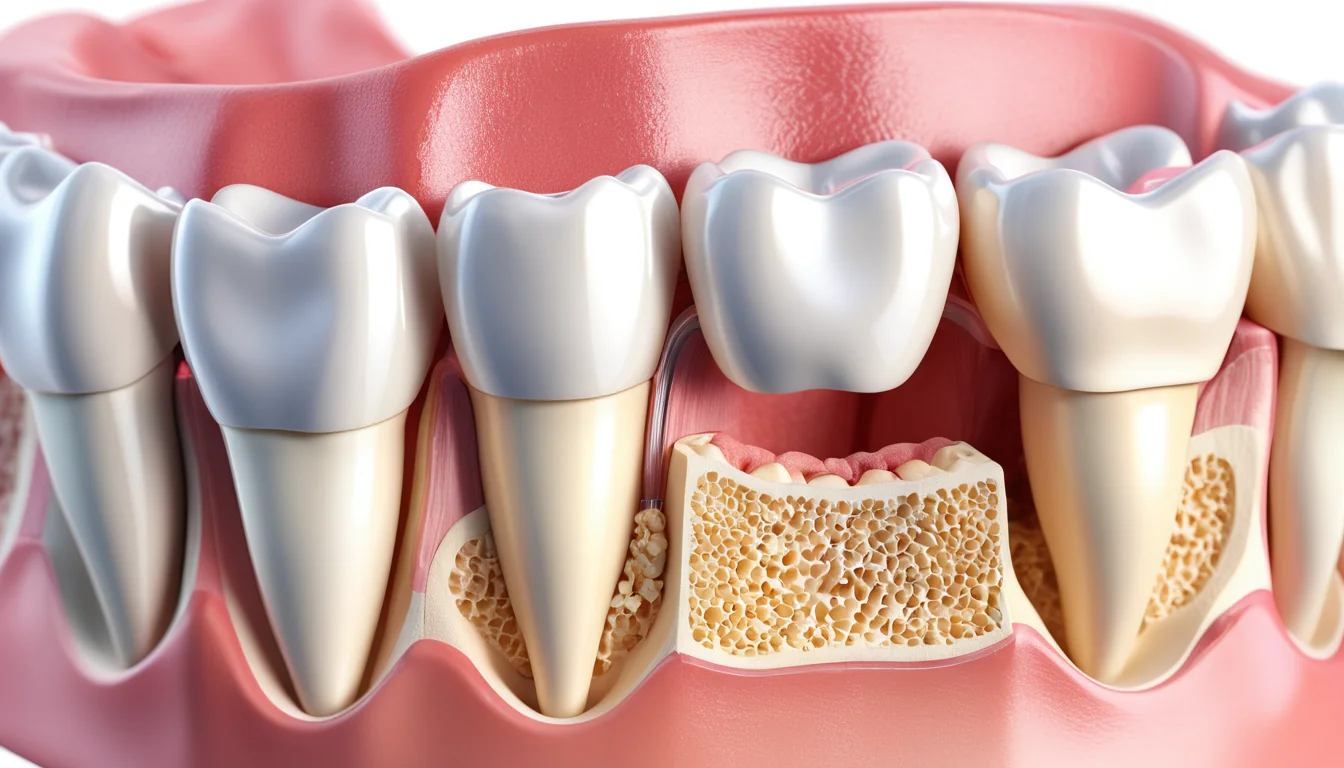
Pericoronitis happens when the gum tissue surrounding a partially erupted wisdom tooth becomes infected. Wisdom teeth are the last molars to come in, usually appearing in your late teens or early twenties. Sometimes, these teeth do not fully break through the gum surface, leaving a flap of tissue that traps bacteria and food debris.
The condition is directly linked to the position and eruption of the third molar. Because the area is so hard to clean, bacteria build up quickly. This leads to inflammation, pain, and sometimes a pus-filled pocket. According to Mayo Clinic, partially impacted wisdom teeth are a leading cause of repeated gum infections in young adults.
Common Causes of Pericoronitis
Pericoronitis is most often caused by a combination of bacterial infection and physical irritation. The main bacteria responsible are streptococci and staphylococci, which naturally live in the mouth. When a wisdom tooth only partially erupts, these bacteria find an ideal warm, moist hiding spot under the gum flap.
Factors That Increase Your Risk
Several things can make pericoronitis more likely to develop. Poor oral hygiene is one of the biggest risk factors, since plaque and food particles build up easily around a partially erupted tooth. Stress and a weakened immune system can also make it harder for your body to fight the infection.
In addition, the opposing upper wisdom tooth can repeatedly bite down on the lower gum flap. This constant physical trauma irritates the tissue and makes infection much more likely. Tartar build-up around the affected tooth also adds to the problem.
Types of Wisdom Tooth Eruption
The position of the wisdom tooth matters a great deal. Dentists classify eruption patterns into four main types:
- Mesioangular: The tooth tilts forward toward the front of the mouth. This is the most common type.
- Distoangular: The tooth tilts backward toward the throat.
- Vertical: The tooth grows straight up but does not fully break through the gum.
- Horizontal: The tooth grows sideways and pushes against the roots of the neighbouring molar. This is the least common but most problematic type.
Understanding the eruption type helps your dentist choose the right treatment plan for you.
Symptoms of Pericoronitis to Watch For
Pericoronitis produces a recognizable set of symptoms. Catching them early makes treatment much simpler. However, symptoms can escalate quickly if the infection is not addressed.
The most common symptoms of pericoronitis include:
- Pain around the affected wisdom tooth, which may spread along the entire jaw
- Swollen, red gum tissue surrounding the tooth
- Pus or discharge from the gum, sometimes with a metallic taste
- Bad breath caused by bacterial activity and pus
- Swollen lymph nodes in the neck
- Difficulty opening your mouth fully
- Difficulty chewing solid foods
- Pain radiating into the neck or ear in more severe cases
In mild cases, you may only notice minor soreness and slight swelling. In more severe cases, the infection can make it hard to eat, speak, or even open your mouth. Healthline explains that untreated pericoronitis can spread to the surrounding soft tissue and become a serious health risk.
How Is Pericoronitis Diagnosed?
A dentist diagnoses pericoronitis through a physical examination and dental X-rays. During the exam, your dentist will look closely at the gum tissue around the wisdom tooth. They will check for swelling, redness, pus, and signs of spreading infection such as swollen lymph nodes.
The Role of Dental X-Rays
X-rays are an essential part of the diagnosis. They show the exact position of the wisdom tooth, the shape of its roots, and how it relates to neighbouring teeth. This information helps your dentist determine the eruption type and plan the most appropriate treatment.
For example, a tooth growing horizontally may require extraction, while a vertically positioned tooth that has enough space might be managed more conservatively. Your dentist will use all of this information together before recommending next steps.
Treatment Options for Pericoronitis
Treatment for pericoronitis depends on how severe the infection is and how the wisdom tooth is positioned. There are both home-care steps and professional treatments available. Your dentist will guide you based on your specific situation.
Mild Cases: Home Care
For mild pericoronitis with limited infection, home care can help manage symptoms while you wait to see a dentist. Rinsing your mouth several times a day with warm salt water is one of the most effective first steps. To make a salt water rinse, dissolve half a teaspoon of salt in one full glass of warm water.
Rinse thoroughly after brushing your teeth, making sure no food particles remain trapped under the gum flap. Keeping the area clean is the single most important thing you can do at home. However, home care alone is not a substitute for professional dental treatment.
Moderate to Severe Cases: Professional Treatment
When pain is significant, swelling is spreading, or pus is forming, you need to see a dentist promptly. Professional treatment typically begins with a thorough cleaning of the area. Your dentist will remove tartar, food debris, and irritants from around the affected tooth.
In many cases, your dentist will prescribe antibiotics to clear the infection. Commonly used antibiotics for pericoronitis include amoxicillin, amoxicillin-clavulanate (Augmentin), and metronidazole. Metronidazole is particularly useful because it targets anaerobic bacteria, which thrive in the oxygen-poor environment under the gum flap.
For pain and inflammation, your dentist may recommend over-the-counter anti-inflammatory medicines such as ibuprofen or naproxen. Acetaminophen can also help with pain if anti-inflammatories are not suitable for you. Always follow the dosage instructions on the label or as directed by your dentist or doctor.
Surgical Options: Extraction or Operculectomy
If pericoronitis keeps coming back, your dentist may recommend a more permanent solution. Two surgical options are most common:
- Wisdom tooth extraction: Removing the tooth entirely eliminates the source of infection. This is the most definitive treatment and is often recommended when the tooth is impacted or poorly positioned.
- Operculectomy: This procedure removes the flap of gum tissue covering the tooth. It is only suitable when the wisdom tooth is healthy and correctly positioned, with enough room to fully erupt.
Your dentist will discuss which option is best for your situation. Most wisdom tooth extractions are covered, at least in part, through provincial dental benefit programmes or workplace health plans. Check with your provincial health authority or insurance provider for details on your coverage.
When to See a Doctor or Dentist
You should see a dentist as soon as possible if you notice pain, swelling, or discharge around a wisdom tooth. Do not wait for symptoms to get worse on their own. Early treatment prevents the infection from spreading to surrounding tissue.
Seek urgent care right away if you experience any of the following:
- Severe pain that does not improve with over-the-counter pain relievers
- High fever or chills
- Significant swelling in your jaw, neck, or cheek
- Difficulty swallowing or breathing
- Inability to open your mouth more than a few centimetres
These symptoms may indicate that the infection has spread into the deeper tissues of the neck or face, a condition called cellulitis. This is a medical emergency. Go to your nearest emergency room or call 911 if you develop difficulty breathing or swallowing.
If you do not have a family doctor or dentist, a walk-in dental clinic or a hospital emergency department can assess you. Many provinces also offer dental emergency lines. Check your provincial health authority website for local resources. Health Canada provides information on accessing dental care across Canada.
Can Pericoronitis Be Prevented?
Good oral hygiene is your best defence against pericoronitis. Brush your teeth at least twice a day and floss daily. Pay special attention to the back of your mouth where wisdom teeth are located.
Regular dental check-ups are also very important. Your dentist can monitor your wisdom teeth as they develop and catch problems early. Most dental associations recommend a check-up and professional cleaning every six months. Early monitoring means your dentist can act before a serious infection develops.
If your wisdom teeth are partially erupted, ask your dentist about a special interdental brush or a curved syringe to help flush debris from beneath the gum flap. These small tools can make a real difference in keeping the area clean.
Frequently Asked Questions About Pericoronitis
Can pericoronitis go away on its own?
Mild pericoronitis may calm down temporarily with good oral hygiene and salt water rinses. However, the infection often returns as long as the wisdom tooth remains partially erupted. It is always best to see a dentist so the underlying cause of pericoronitis can be properly treated.
Is pericoronitis serious?
Pericoronitis can become serious if left untreated. The infection can spread to the jaw, neck, and surrounding soft tissues, leading to a condition called cellulitis. Seeking dental care early greatly reduces the risk of serious complications.
How long does pericoronitis last?
With proper treatment, mild pericoronitis often improves within a few days to a week. More severe cases treated with antibiotics and professional cleaning may take one to two weeks to fully resolve. If the wisdom tooth is not removed or the gum flap is not treated, pericoronitis is likely to return.
What antibiotic is used to treat pericoronitis?
Dentists in Canada most commonly prescribe amoxicillin, amoxicillin-clavulanate (Augmentin), or metronidazole to treat pericoronitis. The choice of antibiotic depends on the severity of the infection and any allergies you may have. Never take antibiotics without a prescription from a licensed healthcare provider.
Does wisdom tooth extraction cure pericoronitis?
Yes, removing the affected wisdom tooth is the most definitive treatment for recurring pericoronitis. Once the tooth is gone, there is no longer a gum flap for bacteria to hide under. Most patients do not experience pericoronitis again after the problematic tooth has been extracted.
Can I go to a walk-in clinic for pericoronitis?
A walk-in medical clinic can assess your symptoms and prescribe antibiotics if needed, but they cannot perform dental procedures. For proper treatment of pericoronitis, you should see a dentist as soon as possible. If you are experiencing severe swelling or difficulty breathing, go to a hospital emergency department immediately.
Key Takeaways
- Pericoronitis is an infection of the gum tissue around a partially erupted wisdom tooth.
- It most commonly affects young adults between the ages of 17 and 24.
- Key symptoms include jaw pain, swollen gums, pus, bad breath, and difficulty opening your mouth.
- Mild cases can be managed with warm salt water rinses and good oral hygiene.
- Moderate to severe cases require professional dental treatment, including antibiotics and cleaning.
- Recurring pericoronitis is best treated by extracting the affected wisdom tooth.
- See a dentist promptly if symptoms appear, and seek emergency care if you develop fever, severe swelling, or difficulty swallowing.
According to Mayo Clinic’s guide to impacted wisdom teeth, this information is supported by current medical research.
For more information, read our guide on bacterial infections like listeria and their symptoms.
This article is for informational purposes only and does not replace professional medical or dental advice. If you are experiencing tooth pain, swelling, or signs of infection, please consult your family doctor, dentist, or visit a walk-in clinic near you.
Frequently Asked Questions
What is pericoronitis?
Pericoronitis is a dental condition where the gum tissue surrounding a partially erupted tooth — most commonly a wisdom tooth — becomes inflamed and infected. It occurs when bacteria become trapped under the gum flap (operculum), leading to swelling, pain, and sometimes fever. It is common in young adults aged 17–25.
What are the symptoms of pericoronitis?
Common pericoronitis symptoms include throbbing pain at the back of the mouth, swollen and tender gum tissue, difficulty chewing or opening the jaw, bad breath, and a bad taste in the mouth. Severe cases may cause fever, swollen lymph nodes, and facial swelling requiring urgent dental care.
What is the best pericoronitis treatment in Canada?
Pericoronitis treatment depends on severity. Mild cases are managed with warm saltwater rinses, improved oral hygiene, and over-the-counter pain relievers like ibuprofen. Dentists may prescribe antibiotics such as amoxicillin for infection. Chronic or recurring cases typically require surgical removal of the overlying gum flap or the wisdom tooth itself.
Can pericoronitis go away on its own without treatment?
Mild pericoronitis may temporarily improve with good oral hygiene and saltwater rinses, but it rarely resolves completely without treatment. The condition frequently recurs as long as the wisdom tooth remains partially erupted. Without proper pericoronitis treatment, infection can spread to the jaw, throat, or neck, becoming a serious medical emergency.
When should I see a dentist for pericoronitis?
See a dentist promptly if you experience persistent jaw pain, swelling, difficulty swallowing, fever, or inability to fully open your mouth. These signs indicate a spreading infection requiring immediate care. Canadians can visit a dentist, walk-in dental clinic, or emergency room if symptoms are severe or rapidly worsening.

About the Author
Dr. Sarah Mitchell, MDDr. Sarah Mitchell is a board-certified family physician with over 15 years of clinical experience. She completed her MD at the University of Toronto and her residency at Toronto General Hospital. Dr. Mitchell specializes in preventive medicine and chronic disease management. She is a member of the College of Family Physicians of Canada (CFPC) and has published over 30 peer-reviewed articles on preventive health care.
View all articles →