Creatinine Clearance Test: Results Guide for Canadians

Share
A creatinine clearance test is one of the most reliable ways to check how well your kidneys are working, and doctors across Canada rely on it every day. It measures exactly how much creatinine — a natural waste product from your muscles — your kidneys can filter out of your blood each minute. If you have concerns about your kidney health, this test gives your doctor clear, actionable numbers.
How the Creatinine Clearance Test Works and What It Measures
Understanding your kidney function test results is essential for catching problems early and protecting your long-term health. Whether your doctor has ordered this test as a routine screen or to monitor an existing condition, this guide explains what Canadian patients need to know — from preparation and urine collection to interpreting your results and knowing when to seek further care.
What Is a Creatinine Clearance Test?
| CKD Stage | Creatinine Clearance / GFR (mL/min/1.73m²) | Characteristics | Management Approach |
|---|---|---|---|
| Stage 1 – Normal or High | 90 or above | Kidney damage present but function is normal; may show protein in urine or structural abnormalities | Monitor blood pressure, manage diabetes or underlying conditions, annual creatinine clearance test recommended |
| Stage 2 – Mildly Decreased | 60–89 | Slight reduction in kidney function; often no noticeable symptoms; risk factors may be present | Lifestyle modifications, dietary counselling, regular lab monitoring through family physician or nephrologist referral |
| Stage 3 – Moderately Decreased | 30–59 | Noticeable decline; possible fatigue, swelling, changes in urination; higher cardiovascular risk | Nephrology referral recommended in Canada; medication review, phosphate and potassium dietary restrictions |
| Stage 4 – Severely Decreased | 15–29 | Significant loss of kidney function; symptoms become more pronounced including nausea and fluid retention | Prepare for renal replacement therapy; dialysis planning through provincial renal programs (e.g., Ontario Renal Network) |
| Stage 5 – Kidney Failure | Below 15 | Kidneys are no longer able to filter waste adequately; life-threatening without intervention | Dialysis (hemodialysis or peritoneal) or kidney transplant; managed through Canadian transplant centres and renal care teams |
Your kidneys do much more than filter waste. They balance fluids in your body, regulate your blood’s acid levels, and even produce hormones. To check how well your kidneys are doing this work, doctors measure certain substances in your blood and urine.
Creatinine is a waste product your muscles produce naturally. It comes from the breakdown of creatine and phosphocreatine, two compounds your muscles use for energy. This breakdown happens on its own, without any enzymes involved.
Your kidneys filter creatinine out of your blood and pass it into your urine. The creatinine clearance test measures how efficiently they do this. It gives doctors a window into your glomerular filtration rate (GFR) — the speed at which your kidneys clean your blood.
Why Your Kidneys Matter: Understanding Kidney Function
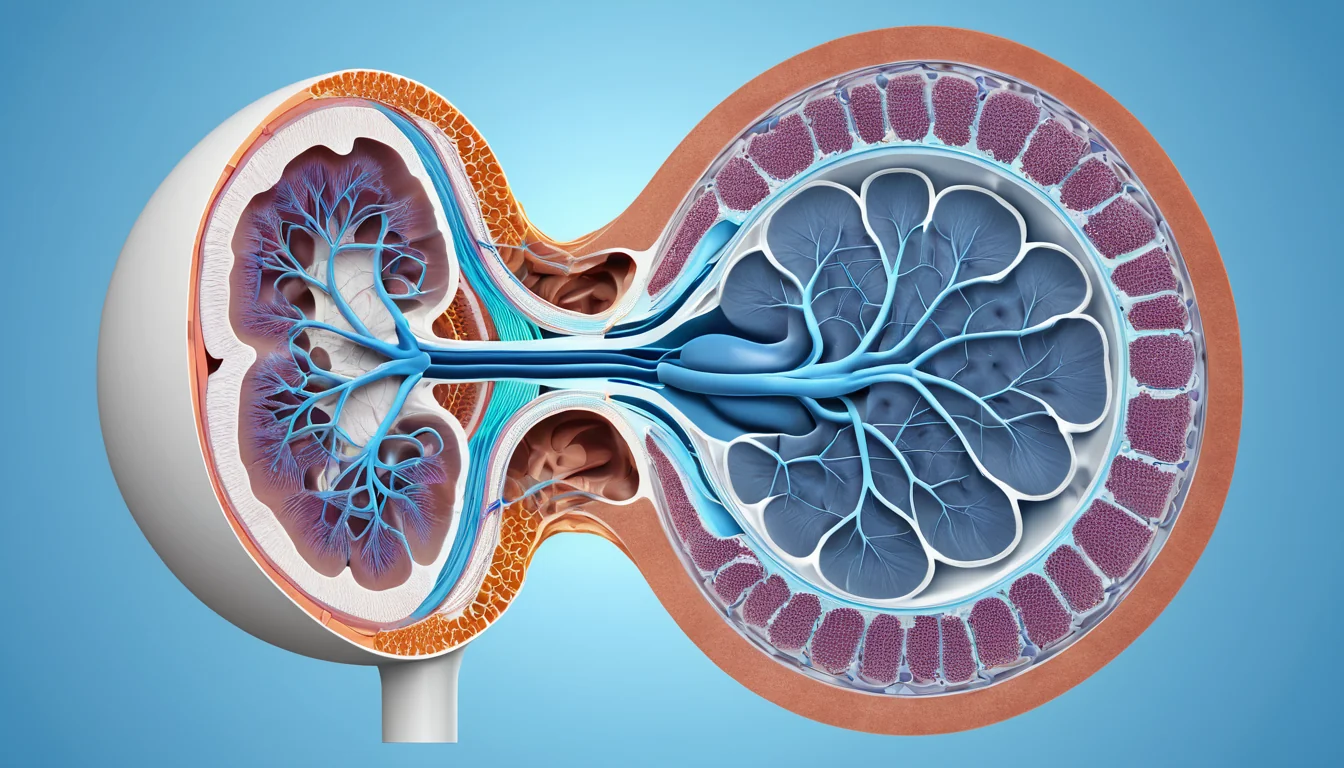
Your kidneys perform three main jobs every day. First, they filter waste through tiny structures called glomeruli. Second, they reabsorb useful substances back into the bloodstream. Third, they produce and regulate hormones that control blood pressure and red blood cell production.
When the filtering system slows down, waste builds up in your blood. This can lead to serious health problems over time, including chronic kidney disease (CKD). In Canada, roughly 1 in 10 adults lives with some form of kidney disease, according to Health Canada.
Therefore, measuring your kidney function regularly is important — especially if you have diabetes, high blood pressure, or a family history of kidney problems. The creatinine clearance test is one of the key tools your family doctor may use to do this.
Glomerular Filtration Rate (GFR) Explained
GFR stands for glomerular filtration rate. It tells your doctor how many millilitres of blood your kidneys filter each minute. A healthy GFR is generally above 90 mL/min. Lower numbers can signal kidney damage or disease.
Doctors use two main tests to estimate GFR: creatinine clearance and urea clearance. The creatinine clearance test is more commonly used because creatinine is produced at a steady rate by your muscles, making it a reliable marker.
How the Creatinine Clearance Test Works
The creatinine clearance test uses a simple formula to calculate your kidney function. Doctors measure the concentration of creatinine in both your urine and your blood. They also measure the volume of urine you produce over a set time period.
The formula looks like this:
- C = (U × V) ÷ P
- C = creatinine clearance (mL/min)
- U = creatinine concentration in urine (mg/mL)
- V = urine volume per minute (mL/min)
- P = creatinine concentration in blood plasma (mg/mL)
In plain terms, the test compares how much creatinine ends up in your urine versus how much stays in your blood. A healthy kidney removes creatinine efficiently, so a high clearance rate is a good sign.
Blood and Urine Samples
The test requires both a blood sample and a urine sample. The urine collection usually takes place over 24 hours. A blood draw happens at the end of that period. Your lab then measures the creatinine levels in both samples and calculates your clearance rate.
This combination gives doctors a more accurate picture than a single blood test alone. For more detail on how kidney function tests work, visit the Mayo Clinic’s guide to creatinine testing.
How to Prepare for a Creatinine Clearance Test
Preparation is straightforward, but it does require care and attention over a full day. Following the instructions carefully will help ensure your results are accurate. Errors in collection are one of the most common reasons for inaccurate results.
Here is what to expect and how to prepare:
- Collect all urine for 24 hours. You will receive a special container from your lab or clinic. Discard your very first morning urine on day one. Collect every urination after that — including your first morning urine on day two.
- Keep the container refrigerated. Store it in the fridge throughout the collection period. Do not leave it at room temperature.
- Mix and measure at the end. After 24 hours, gently mix the urine in the container. A smaller sample (about 100 mL) is then taken to the lab in a plastic container for analysis.
- Avoid excessive meat the day before. Eating a lot of meat can temporarily raise creatinine levels in your blood, which may affect your results.
- Tell your doctor about all medications. Some common drugs can interfere with the test results. Always inform your healthcare provider about everything you are taking.
Your family doctor or the lab technician will give you specific instructions. Do not hesitate to ask questions before you begin the collection process.
Factors That Can Affect Your Creatinine Levels
Several everyday factors can raise or lower your creatinine levels. Understanding these can help you prepare properly and interpret your results with more context.
Factors That Can Raise Creatinine
- High meat intake: Eating large amounts of red meat or poultry shortly before the test can increase creatinine in your blood.
- High muscle mass: People with more muscle naturally produce more creatinine. This does not mean their kidneys are unhealthy.
- Intense physical exercise: Strenuous workouts can temporarily spike creatinine levels due to muscle breakdown.
- Muscle injury: Conditions like rhabdomyolysis — a serious breakdown of muscle tissue — can dramatically raise creatinine. This can happen after crush injuries or extreme overexertion.
Factors That Can Lower Creatinine Clearance
- Reduced kidney filtration: Any condition that slows glomerular filtration will reduce how much creatinine passes into the urine.
- Certain medications: Drugs like acetaminophen metabolites (NAPQI), N-acetylcysteine, and metamizole can interfere with test measurements and produce falsely low results.
- Incomplete urine collection: Missing even a few urine samples during the 24-hour period will lower your measured clearance and give inaccurate results.
Furthermore, age and sex can naturally influence creatinine levels. Older adults and women tend to have lower muscle mass and therefore lower baseline creatinine. Your doctor will interpret your results in the context of your age, sex, and overall health.
What Do Your Results Mean?
Normal creatinine clearance values vary by age and sex. However, as a general guide, here are typical reference ranges:
- Adult men: approximately 97–137 mL/min
- Adult women: approximately 88–128 mL/min
- Values decline naturally with age, roughly 1 mL/min per year after age 40
A result below the normal range may suggest reduced kidney function. However, a single low result does not automatically mean kidney disease. Your doctor will consider other tests and your full medical history before making any diagnosis.
Results above the normal range are less common. They can sometimes appear in early diabetes or pregnancy, when the kidneys are working harder than usual. According to Healthline’s overview of creatinine clearance, consistently abnormal results always warrant further investigation.
The Lab Method Used
Labs measure creatinine using a spectrophotometric method. This technique uses light to detect and measure the concentration of creatinine in your samples. It is a well-established, accurate method used in labs across Canada.
When to See a Doctor About Kidney Health
You should speak with your family doctor if you have any of the following concerns. Early detection of kidney problems gives you the best chance of slowing or preventing further damage.
Book an appointment with your family doctor or visit a walk-in clinic if you notice:
- Swelling in your legs, ankles, or feet
- Fatigue or difficulty concentrating
- Changes in how often or how much you urinate
- Foamy or dark-coloured urine
- High blood pressure that is hard to control
If you have diabetes or high blood pressure, your provincial health plan likely covers regular kidney function testing. Ask your family doctor how often you should be tested. Most provincial plans, including those in Ontario, British Columbia, and Alberta, cover this test when ordered by a physician.
Walk-in clinics can also refer you for this test if you do not have a regular family doctor. Do not wait for symptoms to become severe before seeking care. Always consult a qualified healthcare provider to interpret your test results and guide your next steps.
Frequently Asked Questions
What does a creatinine clearance test measure?
A creatinine clearance test measures how efficiently your kidneys remove creatinine from your blood. It compares the amount of creatinine in your urine with the amount in your blood over 24 hours. This gives your doctor an estimate of your glomerular filtration rate (GFR), which reflects overall kidney function.
How do I collect urine for a creatinine clearance test?
You collect all your urine over a 24-hour period in a special container provided by your lab. Discard your first morning urine on day one, then collect every sample after that — including your first morning urine on day two. Keep the container refrigerated throughout the collection period and bring it to the lab as instructed.
What is a normal creatinine clearance level?
Normal creatinine clearance is roughly 97–137 mL/min for adult men and 88–128 mL/min for adult women. These values naturally decrease as you age. Your doctor will compare your result to age- and sex-specific ranges to determine if your kidney function is within a healthy range.
Can medications affect my creatinine clearance test results?
Yes, certain medications can interfere with your creatinine clearance test results. Drugs such as high-dose acetaminophen metabolites, N-acetylcysteine, and metamizole may produce falsely low readings. Always tell your doctor or lab technician about all medications and supplements you are taking before the test.
Is the creatinine clearance test covered by provincial health plans in Canada?
In most Canadian provinces, the creatinine clearance test is covered when ordered by a licensed physician. Coverage applies under provincial health plans in provinces like Ontario, Alberta, and British Columbia. Check with your family doctor or provincial health authority to confirm coverage in your area.
What can cause a low creatinine clearance result?
According to Mayo Clinic’s guide to creatinine testing, this information is supported by current medical research.
For more information, read our guide on urinary aldosterone test and kidney health in Canada.
A low creatinine clearance test result can indicate reduced kidney function, often caused by conditions like chronic kidney disease, diabetes, or high blood pressure. Incomplete urine collection during the 24-hour period can also produce a falsely low result. Your doctor will review your full health history before drawing any conclusions from a single result.
Key Takeaways
- A creatinine clearance test measures how well your kidneys filter creatinine from your blood, giving an accurate estimate of your GFR.
- The test requires a 24-hour urine collection and a blood sample, both of which are analysed together.
- Normal values range from approximately 88–137 mL/min depending on age and sex, and decline naturally with age.
- Factors like high meat intake, intense exercise, muscle injury, and certain medications can all affect your results.
- Incomplete urine collection is the most common cause of inaccurate results — follow your lab’s instructions carefully.
- Canadians with diabetes, high blood pressure, or a family history of kidney disease should ask their family doctor about regular kidney function testing.
- Always consult your family doctor or visit a walk-in clinic if you have concerns about your kidney health or test results.
Frequently Asked Questions
What is a creatinine clearance test?
A creatinine clearance test measures how well your kidneys filter creatinine, a waste product from muscle metabolism, out of your blood. It typically involves a 24-hour urine collection combined with a blood test. Canadian doctors use it to assess kidney function and detect conditions like chronic kidney disease or acute kidney injury.
What are the symptoms that indicate you need a creatinine clearance test?
Symptoms that may prompt a creatinine clearance test include swelling in the legs or ankles, fatigue, decreased urine output, foamy urine, high blood pressure, and unexplained nausea. Canadians with diabetes, hypertension, or a family history of kidney disease are commonly referred for this test during routine screening.
How is a creatinine clearance test done in Canada?
In Canada, the creatinine clearance test requires collecting all urine over 24 hours in a special container provided by your lab, along with a blood sample taken the same day. Most provincial health plans cover this test when ordered by a physician. Results are typically available within a few business days.
Can you improve low creatinine clearance results through lifestyle changes?
Yes, lifestyle changes can support better kidney function. Staying well-hydrated, reducing sodium and protein intake, managing blood pressure, controlling blood sugar, and avoiding NSAIDs like ibuprofen can help slow kidney decline. However, always consult a Canadian-licensed physician or nephrologist before making significant dietary or medication changes.
When should you see a doctor about your creatinine clearance levels?
See a doctor promptly if your creatinine clearance falls below 60 mL/min, or if you experience persistent swelling, reduced urination, extreme fatigue, or blood in your urine. Early intervention can significantly slow kidney disease progression. Canadians with risk factors like diabetes or hypertension should request regular kidney function monitoring annually.

About the Author
Dr. Michael Ross, MD, FRCSCDr. Michael Ross is a fellowship-trained orthopedic surgeon at the University of Alberta Hospital, specializing in joint replacement and sports medicine. A Fellow of the Royal College of Surgeons of Canada (FRCSC), he has over 18 years of surgical experience and has authored multiple textbook chapters on musculoskeletal health. Dr. Ross is passionate about patient education and evidence-based medicine.
View all articles →