Serum Creatinine Test: What Your Results Mean (Canada)

Share
A serum creatinine test is one of the most common blood tests used to evaluate how well your kidneys are working. Your kidneys filter waste products from your blood every day, and when they are not functioning properly, creatinine builds up in your bloodstream. Understanding your results can help you take early action to protect your health.
What Is the Serum Creatinine Test and Why Does It Matter?
This creatinine blood test measures a specific waste product that your muscles naturally produce. Doctors across Canada use the results alongside your glomerular filtration rate to get a complete picture of your kidney function. In this guide, we explain what the test measures, what normal and abnormal results mean, and when you should talk to your family doctor or visit a walk-in clinic.
What Is the Serum Creatinine Test?
| Kidney Function Stage | eGFR Range (mL/min/1.73m²) | Typical Serum Creatinine Level | Recommended Management |
|---|---|---|---|
| Stage 1 – Normal or High | 90 or above | Normal (60–110 µmol/L in women; 70–120 µmol/L in men) | Annual monitoring if risk factors present; healthy lifestyle, adequate hydration |
| Stage 2 – Mildly Decreased | 60–89 | Slightly elevated; may still fall within lab reference range | Monitor blood pressure, blood sugar, and cholesterol; consult a family physician |
| Stage 3 – Moderately Decreased | 30–59 | Moderately elevated (often 150–300 µmol/L) | Referral to nephrologist recommended; dietary changes, medication review, regular lab work |
| Stage 4 – Severely Decreased | 15–29 | Significantly elevated (often 300–700 µmol/L) | Specialist care required; planning for dialysis or transplant may begin; strict dietary restrictions |
| Stage 5 – Kidney Failure | Below 15 | Critically elevated (often above 700 µmol/L) | Dialysis or kidney transplant typically required; managed through provincial renal programs (e.g., Ontario Renal Network) |
Creatinine is a waste product that your muscles produce naturally. Your body makes it when it breaks down a substance called creatine, which helps power your muscles. Healthy kidneys filter creatinine out of your blood and remove it through your urine.
The serum creatinine test measures the amount of creatinine in your blood. A high level usually means your kidneys are not filtering waste as efficiently as they should. Doctors use this result alongside other information to calculate your glomerular filtration rate (GFR), which is the best overall measure of kidney function.
According to Health Canada, kidney disease affects millions of Canadians, and many people do not know they have it until significant damage has occurred. Early testing is therefore very important.
How Do Your Kidneys Work?
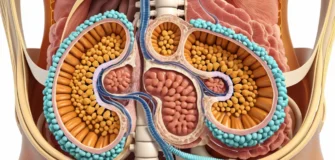
Your kidneys are two bean-shaped organs located on either side of your spine, just below your rib cage. They perform several critical jobs to keep you healthy. Understanding these jobs helps explain why the serum creatinine test matters so much.
The Three Main Functions of Your Kidneys
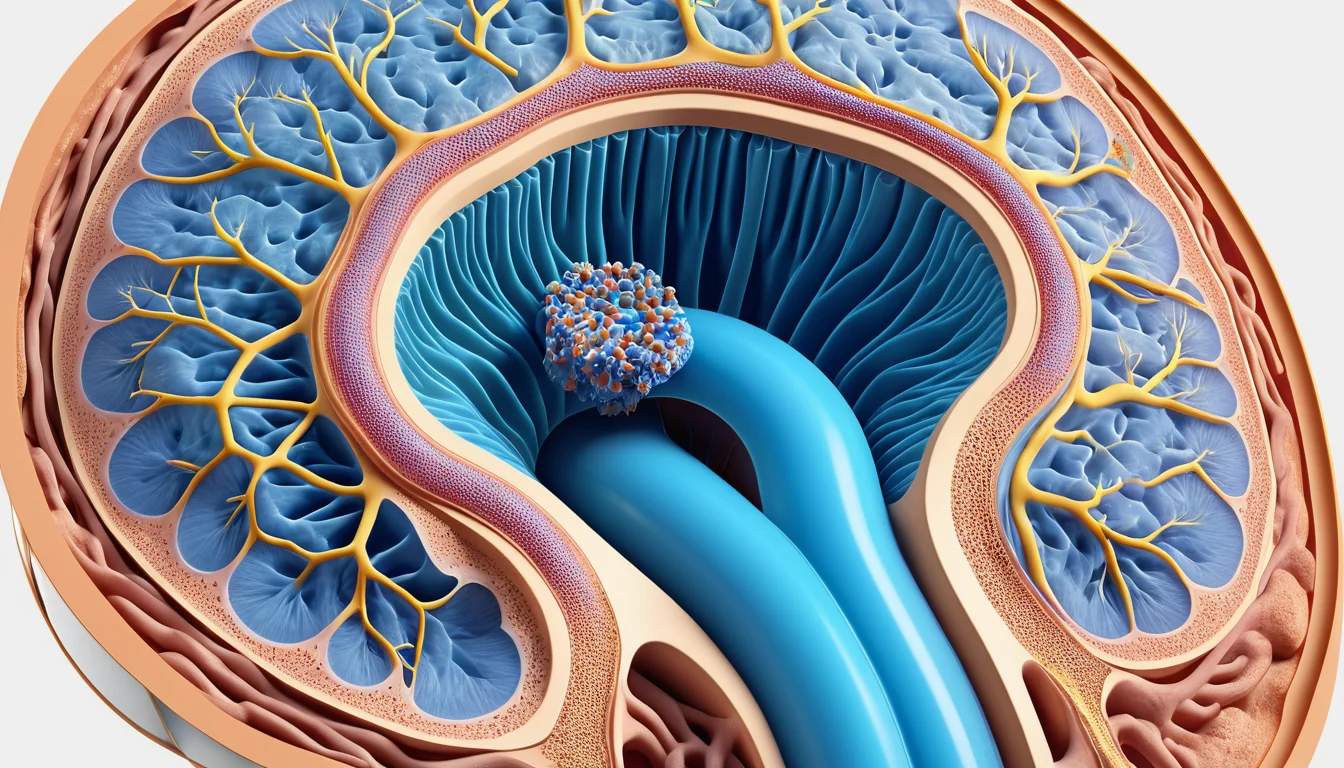
First, your kidneys filter waste and extra fluid from your blood. This process is called glomerular filtration. The filtered waste leaves your body as urine.
Second, your kidneys regulate the balance of water, salts, and acids in your body. This keeps your blood chemistry stable and your organs functioning properly.
Third, your kidneys act as endocrine glands. They produce and regulate certain hormones that control blood pressure and red blood cell production. In addition, they break down some hormones that your body no longer needs.
When any of these functions breaks down, your overall health suffers. The serum creatinine test helps doctors detect problems with the first function — filtration — before serious damage occurs.
What Factors Affect Your Creatinine Levels?
Several factors can raise or lower your creatinine levels, even if your kidneys are healthy. Your doctor will consider these when interpreting your results. It is important not to jump to conclusions based on a single number alone.
Diet and Muscle Mass
Eating a large amount of red meat or protein-rich food before your test can temporarily raise your creatinine level. This is why you will be asked to avoid meat for at least 12 hours before the test. In addition, people with higher muscle mass naturally produce more creatinine, so their baseline levels tend to be higher.
Muscle Injury and Physical Stress
Intense exercise, muscle injuries, or a serious condition called rhabdomyolysis (rapid breakdown of muscle tissue) can all cause a sudden spike in creatinine. Furthermore, crush injuries from accidents can have the same effect. These situations temporarily flood the bloodstream with creatinine, even in people with perfectly healthy kidneys.
Medications
Some medications raise creatinine levels as a side effect. This includes both prescription drugs and over-the-counter products. Always tell your doctor about every medication you take, including vitamins and herbal supplements, before having this test done.
Pregnancy
Creatinine levels can be temporarily elevated during pregnancy due to changes in muscle tissue and kidney function. However, they can also be lower than normal in some pregnant women because blood volume increases. Your doctor will interpret your results in the context of your pregnancy.
Signs and Symptoms of Kidney Problems
Many people with early kidney disease feel completely fine. However, as kidney function declines, symptoms begin to appear. Recognising these signs early can make a significant difference in your treatment outcomes.
Common signs of kidney problems include:
- Unusual fatigue or difficulty sleeping
- Loss of appetite or nausea
- Swollen hands, feet, or ankles due to fluid retention
- Cloudy, dark, or blood-tinged urine
- Back pain on one or both sides of your spine
- Frequent urination, especially at night
- Foamy or bubbly urine, which may indicate protein in the urine
These symptoms can have many causes. Therefore, a serum creatinine test is just one tool your doctor uses to investigate what is happening. Do not rely on symptoms alone to judge your kidney health.
For a broader overview of kidney disease signs, Mayo Clinic’s guide to chronic kidney disease is an excellent resource.
Why Is the Serum Creatinine Test Ordered?
Your doctor may order a serum creatinine test for several reasons. It is a routine part of many standard blood panels. It is also ordered when your doctor suspects a kidney problem or wants to monitor an existing condition.
Monitoring Chronic Conditions
People living with type 1 or type 2 diabetes should have their creatinine levels checked regularly. Diabetes is one of the leading causes of kidney disease in Canada. High blood sugar over time damages the small blood vessels inside the kidneys.
People with high blood pressure (hypertension) also need regular monitoring. High blood pressure puts extra strain on kidney tissue. Furthermore, people who have already been diagnosed with kidney disease use this test to track how well their treatment is working.
Checking the Safety of Medications
Some medications are processed through the kidneys. If your kidneys are not working well, these drugs can build up to dangerous levels in your body. Your doctor may order a creatinine test before prescribing certain antibiotics, anti-inflammatory drugs, or blood pressure medications to make sure they are safe for you.
How to Prepare for the Test
Preparing properly for your serum creatinine test helps ensure that your results are accurate. The preparation steps are simple and easy to follow.
You should fast (avoid eating or drinking anything except water) before having your blood drawn. In addition, avoid eating red meat or other high-protein foods for at least 12 hours before the test. This helps prevent a temporary spike in your creatinine levels that could make your results misleading.
You do not need to stop taking your regular medications unless your doctor specifically tells you to. However, as noted above, do tell your doctor or the lab technician about everything you are taking. The blood sample is taken from a vein in your arm, usually at a medical laboratory or your doctor’s office. The procedure takes only a few minutes and is straightforward.
Understanding Your Results
Your creatinine result is measured in micromoles per litre (µmol/L) in Canada. Normal ranges vary depending on your age, sex, and body size. Generally speaking, typical reference ranges are approximately:
- Adult men: 62–115 µmol/L
- Adult women: 44–97 µmol/L
These ranges are a guide, not a definitive rule. Your doctor will always interpret your result in the context of your personal health history, symptoms, and other test results. A slightly elevated result does not automatically mean you have kidney disease.
Your doctor will also use your creatinine result to calculate your estimated GFR (eGFR). This number estimates how much blood your kidneys filter per minute. An eGFR below 60 for three months or more may indicate chronic kidney disease. Healthline’s explanation of GFR provides helpful additional context about what these numbers mean.
When to See a Doctor
You should talk to your family doctor if you have any of the symptoms listed above, especially if they last more than a few days. If you have diabetes, high blood pressure, or a family history of kidney disease, ask your doctor about getting a serum creatinine test as part of your regular check-up.
If your family doctor is not immediately available and your symptoms are bothersome, a walk-in clinic can order a creatinine test for you. Most provincial health plans in Canada cover this test when it is ordered for a medically necessary reason, so there should be no out-of-pocket cost for most Canadians.
If you experience sudden, severe back pain, very little or no urine output, or extreme swelling, seek emergency care right away. These can be signs of acute kidney injury, which requires immediate medical attention.
Please note: The information in this article is for general education only. Always consult your doctor or a qualified healthcare provider for personal medical advice, diagnosis, or treatment.
Frequently Asked Questions
What does a high serum creatinine test result mean?
A high result on a serum creatinine test usually suggests that your kidneys are not filtering waste as efficiently as they should. However, it can also be caused by factors like a high-protein diet, intense exercise, or certain medications. Your doctor will review your full health history before making any conclusions.
Do I need to fast before a serum creatinine blood test?
Yes, you should fast before your serum creatinine test and avoid eating red meat or high-protein foods for at least 12 hours beforehand. Eating a large amount of protein can temporarily raise your creatinine level and affect your results. You may drink plain water during the fasting period.
Is a serum creatinine test covered by provincial health plans in Canada?
In most provinces and territories, the serum creatinine test is covered by your provincial health plan when it is ordered by a doctor for a medically necessary reason. This means most Canadians will not pay out of pocket for this blood test. Check with your provincial health authority if you are unsure about your specific coverage.
What is the difference between creatinine and GFR?
Creatinine is the waste product that your blood test measures directly. Your GFR, or glomerular filtration rate, is a number that your doctor calculates using your creatinine level along with your age, sex, and body size. GFR gives a more complete picture of overall kidney function than a creatinine result alone.
Can medications affect my serum creatinine levels?
Yes, several medications — both prescription and over-the-counter — can raise your serum creatinine levels. Common examples include certain antibiotics, non-steroidal anti-inflammatory drugs (NSAIDs) like ibuprofen, and some blood pressure medications. Always tell your doctor about every medication and supplement you take before having this test.
How often should I get a serum creatinine test?
According to Health Canada’s guidelines on kidney disease screening, this information is supported by current medical research.
For more information, read our guide on urinary aldosterone test and kidney health blood work.
How often you need a serum creatinine test depends on your personal health situation. People with diabetes, high blood pressure, or existing kidney disease may need testing every three to six months. For healthy adults without risk factors, it is often included in routine annual blood work ordered by your family doctor.
Key Takeaways
- The serum creatinine test measures a waste product in your blood to assess how well your kidneys are filtering.
- Doctors use your creatinine result to calculate your GFR, the best overall measure of kidney function.
- Several factors can affect your results, including diet, muscle mass, medications, and pregnancy.
- People with diabetes or high blood pressure should be tested regularly, as these conditions are leading causes of kidney disease in Canada.
- Fasting and avoiding red meat for 12 hours before the test helps ensure accurate results.
- Most provincial health plans in Canada cover this test when it is medically necessary.
- Talk to your family doctor or walk-in clinic if you have symptoms of kidney problems or risk factors for kidney disease.
- This article is for informational purposes only — always consult your doctor for personal medical advice.
Frequently Asked Questions
What is a serum creatinine test?
A serum creatinine test is a blood test that measures the level of creatinine, a waste product produced by muscle metabolism, in your bloodstream. Canadian doctors use it to evaluate how well your kidneys are filtering waste. Abnormal levels may indicate reduced kidney function or underlying kidney disease requiring further investigation.
What are the symptoms of high creatinine levels?
High creatinine levels may cause fatigue, swelling in the legs or ankles, shortness of breath, decreased urination, nausea, and confusion. However, mildly elevated levels often produce no noticeable symptoms. Many Canadians discover abnormal creatinine levels only through routine blood work ordered during a general health checkup.
What does an abnormal serum creatinine test result mean?
An abnormal serum creatinine test result suggests your kidneys may not be filtering waste efficiently. High levels indicate possible kidney disease, dehydration, or muscle disorders, while low levels may signal malnutrition or liver disease. Your doctor will consider your age, muscle mass, and other factors before interpreting results.
How can you lower high creatinine levels naturally?
To help lower high creatinine levels, stay well hydrated, reduce intense exercise, limit high-protein and high-sodium foods, and avoid NSAIDs like ibuprofen when possible. Managing underlying conditions such as diabetes or high blood pressure is also essential. Always consult a Canadian healthcare provider before making significant dietary or lifestyle changes.
When should you see a doctor about your creatinine levels?
See a doctor immediately if you experience swelling, significantly reduced urination, extreme fatigue, or difficulty breathing, as these may indicate serious kidney problems. Canadians with diabetes, high blood pressure, or a family history of kidney disease should have creatinine levels checked regularly, even without symptoms, as part of preventive care.

About the Author
Dr. Michael Ross, MD, FRCSCDr. Michael Ross is a fellowship-trained orthopedic surgeon at the University of Alberta Hospital, specializing in joint replacement and sports medicine. A Fellow of the Royal College of Surgeons of Canada (FRCSC), he has over 18 years of surgical experience and has authored multiple textbook chapters on musculoskeletal health. Dr. Ross is passionate about patient education and evidence-based medicine.
View all articles →