
Walking Disorders: Causes, Types & When to Act Canada

Share
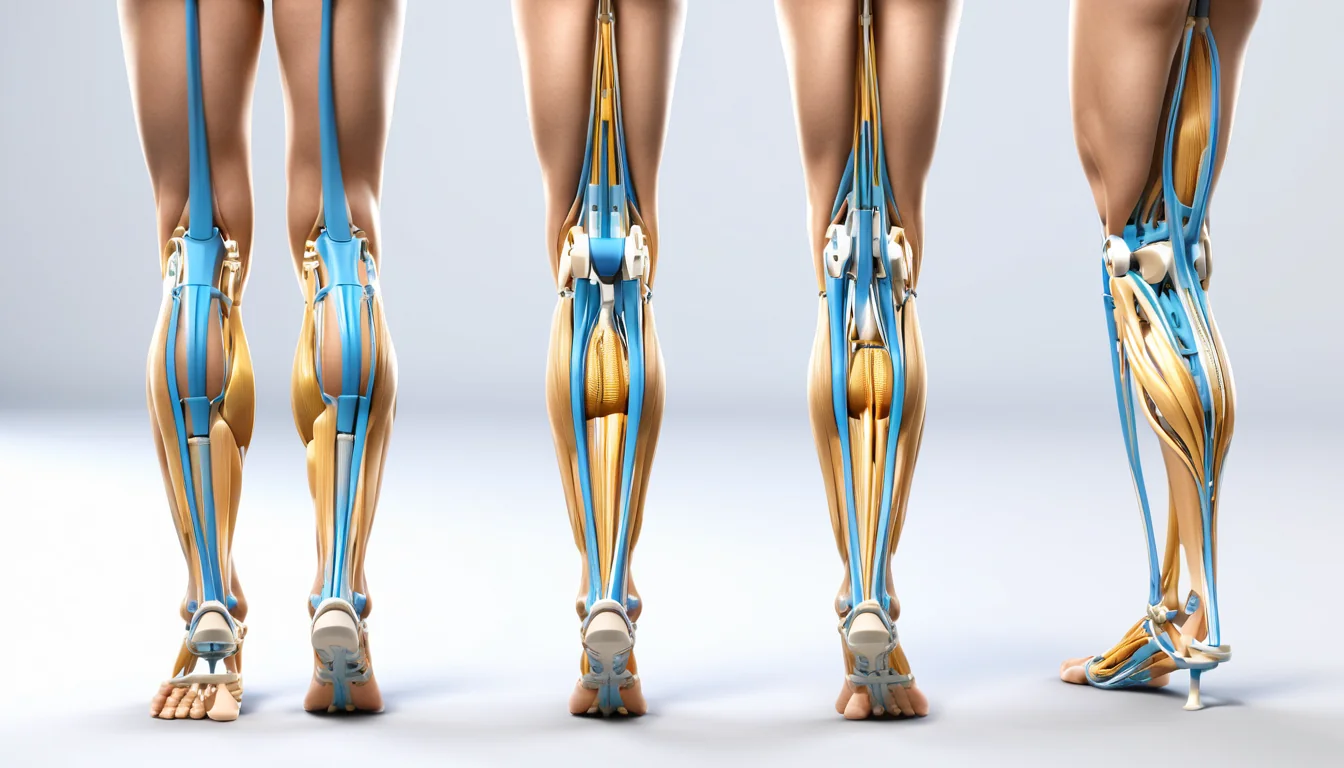
Walking disorders happen when a person’s gait shifts away from what is considered normal, and they affect Canadians of all ages — from young children to older adults. These changes can be subtle at first, such as a slight limp or shuffling step, or they can appear suddenly and lead to dangerous falls. In Canada, walking disorders stem from many different causes, including nerve damage, joint disease, muscle weakness, and vitamin deficiencies.
Common Causes of Walking Disorders in Canadians
Understanding the common gait problems causes is the first step toward getting the right help. Normal walking requires your brain, spinal cord, peripheral nerves, muscles, and joints to work together in a precise sequence. When any part of this system breaks down, your movement pattern changes — sometimes in ways you may not notice right away. This article explains the major types of walking disorders, what triggers them, and when you should speak with your family doctor or visit a walk-in clinic in Canada.
What Are Walking Disorders?
| Type of Walking Disorder | Key Characteristics | Common Causes | Management Approach |
|---|---|---|---|
| Spastic Gait | Stiff, scissor-like leg movements; toes dragging; reduced arm swing | Stroke, cerebral palsy, multiple sclerosis, spinal cord injury | Physiotherapy, antispasticity medications, assistive devices |
| Steppage Gait | Exaggerated knee and hip flexion; foot drop; slapping sound when foot hits ground | Peroneal nerve damage, peripheral neuropathy, ALS | Ankle-foot orthosis (AFO), nerve stimulation, physiotherapy |
| Antalgic Gait | Shortened stance phase on affected side; limping to reduce pain; altered posture | Arthritis, hip or knee injury, fractures, lower limb pain | Pain management, joint replacement, orthotic support, physiotherapy |
| Ataxic Gait | Wide-based, unsteady, staggering walk; poor coordination; difficulty with turns | Cerebellar disorders, alcohol use, vitamin B12 deficiency, stroke | Balance training, mobility aids, treating underlying condition |
| Parkinsonian Gait | Shuffling small steps, stooped posture, reduced arm swing, freezing episodes | Parkinson’s disease, drug-induced parkinsonism, Lewy body dementia | Levodopa therapy, deep brain stimulation, cueing strategies, physiotherapy |
A walking disorder is any noticeable change in the way a person moves from one place to another. Normal walking requires your brain, nerves, muscles, and joints to all work together smoothly. When any one of these systems breaks down, your gait can change.
Doctors group walking disorders into two main types: episodic and chronic. Episodic walking problems appear suddenly and can cause unexpected falls. Chronic walking problems develop slowly over time, and the person often adapts to the change without realising something is wrong.
According to Mayo Clinic, changes in gait are common as people age, but they are not always a normal part of getting older. Many causes are treatable, especially when caught early.
Common Causes of Walking Disorders
Neurological causes are actually more common than joint or muscle causes. However, both play an important role in how walking disorders develop.
Neurological Causes
Many conditions that affect the brain or nervous system can disrupt normal gait. Common neurological causes include:
- Sensory ataxia — loss of coordination caused by nerve damage (polyneuropathy)
- Parkinsonism — a group of conditions that cause slow, shuffling movement
- Subcortical vascular disease — small strokes or blood vessel damage deep in the brain
- Dementia — memory and thinking disorders that also affect movement
These conditions interfere with the signals your brain sends to your muscles. Even small disruptions in those signals can change the way you walk.
Non-Neurological Causes
Joint and muscle problems are also very common causes of walking disorders. Hip osteoarthritis and knee osteoarthritis are two of the most frequent culprits. These conditions cause pain and limit your range of motion, forcing you to shift your weight or shorten your stride.
Other non-neurological causes include muscle weakness, leg length differences, heel pain, and tendon tightness. In addition, vascular disease, autoimmune conditions, and even some cancers can affect the way a person walks.
Electrolyte Imbalances and Vitamin Deficiencies
Many Canadians are surprised to learn that low levels of certain nutrients can cause walking disorders. Both electrolyte imbalances and vitamin deficiencies affect how nerves and muscles communicate.
Electrolyte Imbalances
Electrolytes are minerals in your blood, such as sodium, potassium, and magnesium. When these levels drop too low, your muscles and nerves cannot function properly. For example, low sodium (hyponatraemia) can cause serious neurological symptoms, including unsteady walking. Low potassium and low magnesium can also weaken muscles and affect your gait.
Electrolyte imbalances are often found through a simple blood test. Your family doctor can order this as part of a routine check-up or investigation into balance problems.
Vitamin Deficiencies
Several vitamin deficiencies are known to cause gait problems. The most important ones include:
- Vitamin B12 — A deficiency can cause subacute combined degeneration of the spinal cord, leading to numbness, tingling, and unsteady walking
- Folic acid (Vitamin B9) — Supports healthy nerve function
- Vitamin E — Acts as an antioxidant that protects nerve tissue
- Copper — Low copper levels can mimic B12 deficiency and affect spinal cord function
These deficiencies are more common in older adults, people who follow restrictive diets, and those with certain digestive conditions. Furthermore, they are often overlooked as a cause of walking problems. Healthline’s guide to B12 deficiency symptoms offers a clear overview of how this vitamin affects the nervous system.
Types of Walking Disorders Explained
Doctors identify several distinct patterns of abnormal gait. Each pattern gives clues about the underlying cause. Understanding these types can help you describe your symptoms clearly to your healthcare provider.
Antalgic Gait (Pain-Avoidance Walking)
This is one of the most common walking disorders seen in clinical practice. A person with antalgic gait shortens the time they spend on the painful leg, causing a noticeable limp. Steps become smaller and more cautious. Any injury or painful condition in the lower limb can cause this pattern.
Toe-Walking
Toe-walking happens when a person cannot bring their heel down to the ground properly. A short Achilles tendon, a true difference in leg length, or heel pain can all cause this pattern. Muscle contractures (tightening) can also force a person onto their toes.
Trendelenburg Gait
In this pattern, the pelvis drops on the unaffected side when the person lifts that leg to step. To compensate, the body leans toward the affected hip. This gait is commonly linked to weakness in the gluteus medius and minimus muscles. Hip osteoarthritis, muscular dystrophy, and polio can all produce this pattern.
Steppage Gait (Foot Drop)
A person with steppage gait lifts their knee unusually high to prevent their toes from dragging on the ground. They then strike the floor with their toes first, rather than their heel. This pattern suggests weakness in the muscles that lift the foot (dorsiflexors). Damage to the peroneal nerve, sciatica, or an L5 nerve root problem are common causes.
Waddling Gait
Waddling gait looks like a side-to-side sway when walking. It is essentially a bilateral (both sides) Trendelenburg pattern. The hips may dip with each step. Causes include pelvic muscle weakness, muscular dystrophies, congenital hip dysplasia, and spinal muscular atrophy. This pattern can also appear temporarily during pregnancy.
Scissor Gait
In scissor gait, the knees and thighs cross in a scissors-like motion while walking. This is caused by increased muscle tone (spasticity) in the inner thigh muscles. It is most commonly associated with upper motor neuron conditions such as cerebral palsy or spinal cord injury.
Crouching Gait
Crouching gait involves walking with bent knees and hips, almost in a squatting position. Weakness in the quadriceps (the large muscles at the front of the thigh) or knee joint problems often cause this pattern. People with this gait tend to avoid straightening the leg fully when bearing weight.
How Doctors Diagnose Walking Disorders
Diagnosing walking disorders takes a full picture of your health. Your doctor will ask detailed questions about when the problem started, whether it came on suddenly or gradually, and how it affects your daily activities. Social history — including diet, physical activity, and home environment — is also important.
A physical examination allows your doctor to observe your gait directly and test muscle strength, reflexes, and coordination. Blood tests can check for electrolyte imbalances, vitamin deficiencies, and signs of inflammation or infection. Imaging tests such as X-rays or MRI scans may be ordered to look at joints, bones, or the spinal cord.
It is also important to rule out mental health factors. Anxiety, depression, and functional neurological disorders can all affect the way a person walks. These are real and treatable conditions, not signs of weakness. The Health Canada mental health resources page provides helpful information for Canadians seeking support.
When to See a Doctor
You should speak with a healthcare provider if you notice any unexplained change in the way you walk. This is especially important if the change came on suddenly, if you have had recent falls, or if you feel numbness or weakness in your legs.
In Canada, you have several options. Your family doctor is the best first step for gradual changes. They can order blood tests, refer you to a specialist, and coordinate your care under your provincial health plan. If your symptoms appear suddenly or are getting worse quickly, a walk-in clinic can assess you without a wait for an appointment. In an emergency — such as sudden inability to walk or a serious fall — go to your nearest emergency department.
Do not ignore changes in your gait, even if they seem minor. Early assessment leads to earlier treatment and better outcomes. Always consult your doctor before starting any new exercise programme or making major changes to your diet based on health concerns.
Frequently Asked Questions About Walking Disorders
What are the most common causes of walking disorders in adults?
The most common causes of walking disorders in adults include neurological conditions such as Parkinson’s disease and peripheral neuropathy, as well as joint problems like hip and knee osteoarthritis. Vitamin B12 deficiency and electrolyte imbalances are also frequent but often overlooked causes. A family doctor can run blood tests and a physical exam to identify the root cause.
Can vitamin deficiencies really cause problems with walking?
Yes, certain vitamin deficiencies can directly affect your ability to walk normally. Vitamin B12 deficiency, for example, can damage the spinal cord and cause numbness, tingling, and unsteady gait over time. Deficiencies in folic acid, vitamin E, and copper can also contribute to walking disorders by impairing nerve function.
When should I be worried about a change in my gait?
You should seek medical attention if your gait changes suddenly, if you have had unexplained falls, or if you notice weakness or numbness in your legs alongside walking problems. Gradual changes in gait are worth discussing with your family doctor, especially if they affect your ability to carry out daily activities. Early diagnosis of walking disorders leads to better treatment outcomes.
What is the difference between antalgic gait and Trendelenburg gait?
Antalgic gait is a limp caused by pain — the person spends less time on the painful leg to avoid discomfort. Trendelenburg gait, on the other hand, is caused by weakness in the hip muscles, causing the pelvis to drop on the opposite side when stepping. Both are types of walking disorders, but they have different underlying causes and treatments.
Are walking disorders covered under provincial health plans in Canada?
In most provinces, assessment and treatment of walking disorders through your family doctor, walk-in clinic, or hospital are covered under your provincial health plan. Referrals to specialists such as neurologists or orthopaedic surgeons are also typically covered. However, some therapies like physiotherapy may require additional private coverage or out-of-pocket payment, depending on your province.
Can walking disorders be treated or reversed?
According to Mayo Clinic overview of difficulty walking causes, this information is supported by current medical research.
For more information, read our guide on plantar fasciitis causes and treatment in Canada.
Many walking disorders can be significantly improved or even reversed, depending on the cause. Nutritional deficiencies, electrolyte imbalances, and some joint conditions respond well to treatment. Physiotherapy, medication, and in some cases surgery can restore more normal gait — which is why early diagnosis and speaking with your healthcare provider is so important.
Key Takeaways
- Walking disorders are any changes in your normal gait pattern and can be episodic (sudden) or chronic (gradual).
- Neurological causes, such as Parkinson’s disease and neuropathy, are more common than many people realise.
- Hip and knee osteoarthritis are the most frequent non-neurological causes of gait problems.
- Vitamin B12, folic acid, vitamin E, and copper deficiencies can all cause or worsen walking disorders.
- There are many distinct gait patterns — including antalgic, Trendelenburg, steppage, and waddling gait — each pointing to a different cause.
- Your family doctor or a walk-in clinic in Canada can assess, diagnose, and refer you for treatment under your provincial health plan.
- Always consult a healthcare professional before drawing conclusions about your own gait changes or starting a new health programme.
Frequently Asked Questions
What are walking disorders?
Walking disorders are abnormalities in gait — the pattern of how a person walks. They can result from neurological conditions like Parkinson’s disease or multiple sclerosis, musculoskeletal injuries, inner ear problems, or medication side effects. They range from mild imbalance to complete inability to walk safely without assistance.
What are the most common symptoms of walking disorders?
Common symptoms include shuffling steps, unsteady or staggering movement, dragging one foot, walking on tiptoes, unusually wide or narrow stance, loss of arm swing, frequent stumbling, and difficulty initiating movement. Symptoms vary depending on the underlying cause and may worsen progressively over time.
How are walking disorders treated in Canada?
Treatment depends on the underlying cause and may include physiotherapy, occupational therapy, assistive devices like canes or walkers, medications, or surgery. Canadian patients typically access care through their family doctor, who can provide referrals to neurologists, orthopedic specialists, or rehabilitation programs covered under provincial health plans.
Can walking disorders be prevented?
Some walking disorders can be reduced through regular exercise to strengthen muscles and improve balance, managing chronic conditions like diabetes or arthritis, preventing falls, limiting alcohol, and reviewing medications with your doctor. Staying physically active and addressing vision or hearing changes early also significantly lowers risk.
When should I see a doctor about a walking disorder?
See a doctor promptly if you experience sudden changes in your gait, frequent falls, leg weakness, numbness, dizziness, or difficulty walking after an injury. Any walking problem that develops quickly or accompanies other neurological symptoms — such as confusion or slurred speech — requires immediate emergency medical attention.

About the Author
Dr. Michael Ross, MD, FRCSCDr. Michael Ross is a fellowship-trained orthopedic surgeon at the University of Alberta Hospital, specializing in joint replacement and sports medicine. A Fellow of the Royal College of Surgeons of Canada (FRCSC), he has over 18 years of surgical experience and has authored multiple textbook chapters on musculoskeletal health. Dr. Ross is passionate about patient education and evidence-based medicine.
View all articles →